




 Save
Save Copy
Copy Add to Collection
 Export to Google Docs
 Share
ShareAudio for this Class
Welcome and Opening Question
Plan for this Class
- Questions from Previous Class
- Today's Commentator: Rashi
- Our Portion: Terumah - Selections, Commentaries, Discussion
- Summary and Next Class
Questions and Follow-up from Previous Class
- Christian traditions of Bible Readings (Revised Common Lectionary)
"Also like its predecessors, it runs in three-year cycles; the gospel readings in the first year (Year A) are taken from the Gospel of Matthew, those in the second year (or Year B) from the Gospel of Mark, and in the third year (or Year C) come from the Gospel of Luke. ...
"It differs from its Latin predecessor, however, in that...a greater emphasis is given to Old Testament passages and to Wisdom literature."
Example: Episcopal Church, Last Sunday after Epiphany, Sunday, February 15, 2026 (Year A): Exodus 24:12-18 (DR: as it happens, these verses are in Parashat Mishpatim), Peter 1:16-21, Matthew 17:1-9, Psalm 2 or Psalm 99
- Divisions of Books of the Chumash/Pentatuch
- Parashah
- Chapter and verse
- Seder (plural: Sedarim): "Section" - between 2 and 4 per Parashah
- Resources for this class: https://voices.sefaria.org/sheets/707646?lang=bi
Today's Commentator: Rashi
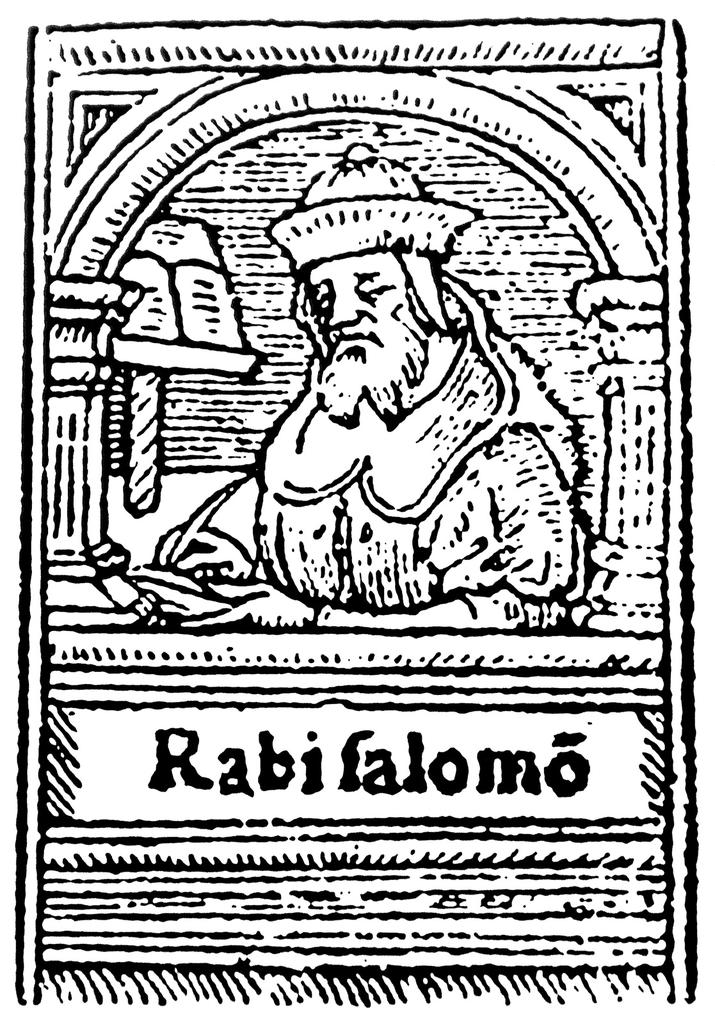
- Judicial use of Midrash
- Interest in Grammar
- Brevity
- Language: Hebrew, Talmudic Aramaic, and...Old French
(א)וישמעו. יֵשׁ מִדְרְשֵׁי אַגָּדָה רַבִּים וּכְבָר סִדְּרוּם רַבּוֹתֵינוּ עַל מְכוֹנָם בִּבְ"רַ וּבִשְׁאָר מִדְרָשׁוֹת; וַאֲנִי לֹא בָאתִי אֶלָּא לִפְשׁוּטוֹ שֶׁל מִקְרָא וּלְאַגָּדָה הַמְיַשֶּׁבֶת דִּבְרֵי הַמִּקְרָא דָבָר דָּבוּר עַל אׇפְנָיו: וישמעו. מַה שָּׁמְעוּ? שָׁמְעוּ אֶת קוֹל הַקָּבָּ"ה שֶׁהָיָה מִתְהַלֵּךְ בַּגַּן:
(1) וישמעו AND THEY HEARD — There are many Midrashic explanations and our Teachers have already collected them in their appropriate places in Genesis Rabbah and in other Midrashim. I, however, am only concerned with the plain sense of Scripture פשוטו של מקרא / peshuto shel Mikra and with such Agadoth that explain the words of Scripture in a manner that fits in with them. וישמעו AND THEY HEARD — What did they hear? They heard the sound of the Holy One, blessed be He, as He walked in the garden (see Genesis Rabbah 19:12).

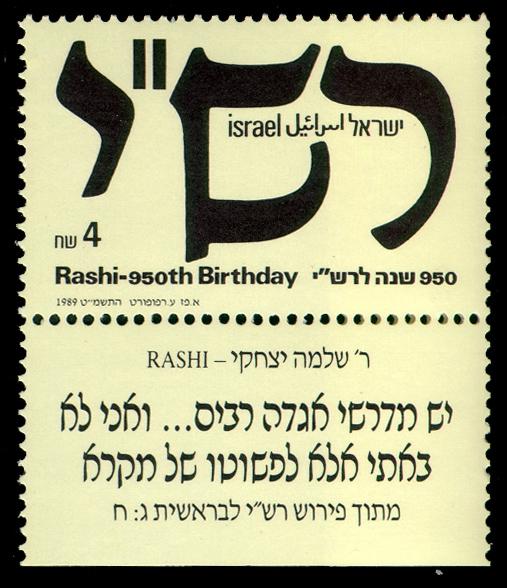

Our Parashah/Portion: Terumah תרומה
- The Name of the Parashah: Terumah
(ב) דַּבֵּר֙ אֶל־בְּנֵ֣י יִשְׂרָאֵ֔ל וְיִקְחוּ־לִ֖י תְּרוּמָ֑ה מֵאֵ֤ת כׇּל־אִישׁ֙ אֲשֶׁ֣ר יִדְּבֶ֣נּוּ לִבּ֔וֹ תִּקְח֖וּ אֶת־תְּרוּמָתִֽי׃
(2) Tell the Israelite people to bring Me gifts/terumah/תרומה; you shall accept gifts for Me from every person whose heart is so moved.
(ג)ידבנו לבו. לְשׁוֹן נְדָבָה וְהוּא לְשׁוֹן רָצוֹן טוֹב, פיישנ"ט [פרישנ״ט] בְּלַעַז:
(3) ידבנו לבו — The word ידבנו is of the same root as נדבה (the נ in the latter being replaced by the Dagesh in the ד); it is a term denoting “good-will”, apaisement [or present = present] in old French (cf. Rashi on Genesis 33:10 and Leviticus 19:5).
- Contents of the Parashah
- Chapter 25 - Gifts, Ark (Aron), Table (for Showbread), Lampstand (Menorah)
- Chapter 26:1-30 - The Dwelling Place/Tabernacle (Mishkan/משכן)
- Chapter 26:31 - 27:19 - Curtain (Parochet), Bronze Altar, Courtyard of the Tabernacle
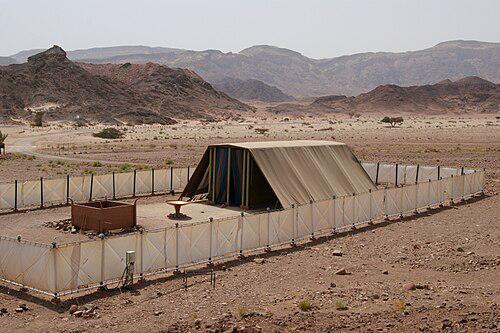
- Preparations for and Purpose of Mikdash - מקדש - Sanctuary
(א) וַיְדַבֵּ֥ר יהוה אֶל־מֹשֶׁ֥ה לֵּאמֹֽר׃ (ב) דַּבֵּר֙ אֶל־בְּנֵ֣י יִשְׂרָאֵ֔ל וְיִקְחוּ־לִ֖י תְּרוּמָ֑ה מֵאֵ֤ת כׇּל־אִישׁ֙ אֲשֶׁ֣ר יִדְּבֶ֣נּוּ לִבּ֔וֹ תִּקְח֖וּ אֶת־תְּרוּמָתִֽי׃ (ג) וְזֹאת֙ הַתְּרוּמָ֔ה אֲשֶׁ֥ר תִּקְח֖וּ מֵאִתָּ֑ם זָהָ֥ב וָכֶ֖סֶף וּנְחֹֽשֶׁת׃
(1) GOD spoke to Moses, saying: (2) Tell the Israelite people to bring Me gifts; you shall accept gifts for Me from every person whose heart is so moved. (3) And these are the gifts that you shall accept from them: gold, silver, and copper;
(ד) וּתְכֵ֧לֶת וְאַרְגָּמָ֛ן וְתוֹלַ֥עַת שָׁנִ֖י וְשֵׁ֥שׁ וְעִזִּֽים׃ (ה) וְעֹרֹ֨ת אֵילִ֧ם מְאׇדָּמִ֛ים וְעֹרֹ֥ת תְּחָשִׁ֖ים וַעֲצֵ֥י שִׁטִּֽים׃ (ו) שֶׁ֖מֶן לַמָּאֹ֑ר בְּשָׂמִים֙ לְשֶׁ֣מֶן הַמִּשְׁחָ֔ה וְלִקְטֹ֖רֶת הַסַּמִּֽים׃ (ז) אַבְנֵי־שֹׁ֕הַם וְאַבְנֵ֖י מִלֻּאִ֑ים לָאֵפֹ֖ד וְלַחֹֽשֶׁן׃
(4) blue, purple, and crimson yarns, fine linen, goats’ hair; (5) tanned ram skins, dolphin skins, and acacia wood; (6) oil for lighting, spices for the anointing oil and for the aromatic incense; (7) lapis lazuli and other stones for setting, for the ephod and for the breastpiece.
(ח) וְעָ֥שׂוּ לִ֖י מִקְדָּ֑שׁ וְשָׁכַנְתִּ֖י בְּתוֹכָֽם׃ (ט) כְּכֹ֗ל אֲשֶׁ֤ר אֲנִי֙ מַרְאֶ֣ה אוֹתְךָ֔ אֵ֚ת תַּבְנִ֣ית הַמִּשְׁכָּ֔ן וְאֵ֖ת תַּבְנִ֣ית כׇּל־כֵּלָ֑יו וְכֵ֖ן תַּעֲשֽׂוּ׃ {ס}
(8) And let them make Me a sanctuary/מקדש/mikdash that I may dwell among them. (9) Exactly as I show you—the pattern of the Tabernacle and the pattern of all its furnishings—so shall you make it.
- Chronology of passages: What difference does it make?
- Simple reading: Just as the portion of Terumah follows Misphatim, so the events in Terumah follow those of Mishpatim
- Rashi's reading (Comment to Exodus 31:18, in the portion of Ki Tissa)
(א)ויתן אל משה וגו'. אֵין מֻקְדָּם וּמְאֻחָר בַּתּוֹרָה – מַעֲשֵׂה הָעֵגֶל קֹדֶם לְצִוּוּי מְלֶאכֶת הַמִּשְׁכָּן יָמִים רַבִּים הָיָה – שֶׁהֲרֵי בְי"ז בְּתַמּוּז נִשְׁתַּבְּרוּ הַלּוּחוֹת, וּבְיוֹם הַכִּפּוּרִים נִתְרַצָּה הַקָּבָּ"ה לְיִשְׂרָאֵל, וּלְמָחֳרָת הִתְחִילוּ בְנִדְבַת הַמִּשְׁכָּן וְהוּקַם בְּאֶחָד בְּנִיסָן (תנחומא):
(1) ויתן אל משה וגו׳ AND HE GAVE UNTO MOSES etc. — There is no “earlier” or “later” (no chronological order) in the events related in the Torah: in fact the incident of the golden calf (related in ch. 32) happened a considerable time before the command regarding the work of the Tabernacle was given (ch. 25 and the following chapters). For on the seventeenth of Tammuz were the Tablets broken (when the people were worshipping the calf) and on the Day of Atonement God became reconciled with Israel (after Moses had prayed 80 days for forgivenness; so that it is very unlikely that the command for the building of the Tabernacle should have been given before that day) and on the next day, the eleventh of Tishri (cf. Rashi on Exodus 33:11, at end of comment on ושב אל המחנה), they began to bring their contributions for the Tabernacle which was set up on the first of Nisan. (From the seventeenth of Tammuz until the eleventh of Tishri are almost three months — ימים רבים) (Midrash Tanchuma, Ki Tisa 31).
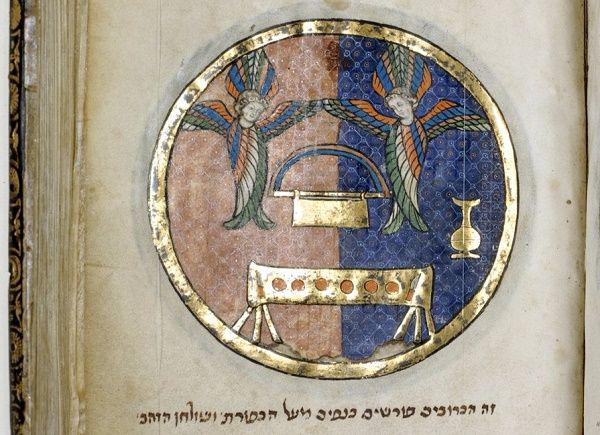
- Cherubim
(יז) וְעָשִׂ֥יתָ כַפֹּ֖רֶת זָהָ֣ב טָה֑וֹר אַמָּתַ֤יִם וָחֵ֙צִי֙ אׇרְכָּ֔הּ וְאַמָּ֥ה וָחֵ֖צִי רׇחְבָּֽהּ׃ (יח) וְעָשִׂ֛יתָ שְׁנַ֥יִם כְּרֻבִ֖ים זָהָ֑ב מִקְשָׁה֙ תַּעֲשֶׂ֣ה אֹתָ֔ם מִשְּׁנֵ֖י קְצ֥וֹת הַכַּפֹּֽרֶת׃ (יט) וַ֠עֲשֵׂ֠ה כְּר֨וּב אֶחָ֤ד מִקָּצָה֙ מִזֶּ֔ה וּכְרוּב־אֶחָ֥ד מִקָּצָ֖ה מִזֶּ֑ה מִן־הַכַּפֹּ֛רֶת תַּעֲשׂ֥וּ אֶת־הַכְּרֻבִ֖ים עַל־שְׁנֵ֥י קְצוֹתָֽיו׃ (כ) וְהָי֣וּ הַכְּרֻבִים֩ פֹּרְשֵׂ֨י כְנָפַ֜יִם לְמַ֗עְלָה סֹכְכִ֤ים בְּכַנְפֵיהֶם֙ עַל־הַכַּפֹּ֔רֶת וּפְנֵיהֶ֖ם אִ֣ישׁ אֶל־אָחִ֑יו אֶ֨ל־הַכַּפֹּ֔רֶת יִהְי֖וּ פְּנֵ֥י הַכְּרֻבִֽים׃ (כא) וְנָתַתָּ֧ אֶת־הַכַּפֹּ֛רֶת עַל־הָאָרֹ֖ן מִלְמָ֑עְלָה וְאֶל־הָ֣אָרֹ֔ן תִּתֵּן֙ אֶת־הָ֣עֵדֻ֔ת אֲשֶׁ֥ר אֶתֵּ֖ן אֵלֶֽיךָ׃ (כב) וְנוֹעַדְתִּ֣י לְךָ֮ שָׁם֒ וְדִבַּרְתִּ֨י אִתְּךָ֜ מֵעַ֣ל הַכַּפֹּ֗רֶת מִבֵּין֙ שְׁנֵ֣י הַכְּרֻבִ֔ים אֲשֶׁ֖ר עַל־אֲר֣וֹן הָעֵדֻ֑ת אֵ֣ת כׇּל־אֲשֶׁ֧ר אֲצַוֶּ֛ה אוֹתְךָ֖ אֶל־בְּנֵ֥י יִשְׂרָאֵֽל׃ {פ}
(17) You shall make a cover of pure gold, two and a half cubits long and a cubit and a half wide. (18) Make two cherubim of gold—make them of hammered work—at the two ends of the cover. (19) Make one cherub at one end and the other cherub at the other end; of one piece with the cover shall you make the cherubim at its two ends. (20) The cherubim shall have their wings spread out above, shielding the cover with their wings. They shall confront each other, the faces of the cherubim being turned toward the cover. (21) Place the cover on top of the Ark, after depositing inside the Ark the Pact that I will give you. (22) There I will meet with you, and I will impart to you—from above the cover, from between the two cherubim that are on top of the Ark of the Pact—all that I will command you concerning the Israelite people.
(א)כרבים. דְּמוּת פַּרְצוּף תִּינוֹק לָהֶם:
(1) כרבים CHERUBIM — They had the form of a child’s face (Sukkah 5b).
(א) וְאֶת־הַמִּשְׁכָּ֥ן תַּעֲשֶׂ֖ה עֶ֣שֶׂר יְרִיעֹ֑ת שֵׁ֣שׁ מׇשְׁזָ֗ר וּתְכֵ֤לֶת וְאַרְגָּמָן֙ וְתֹלַ֣עַת שָׁנִ֔י כְּרֻבִ֛ים מַעֲשֵׂ֥ה חֹשֵׁ֖ב תַּעֲשֶׂ֥ה אֹתָֽם׃
(1) As for the tabernacle/משכן/Mishkan (The "Tent"), make it of ten strips of cloth; make these of fine twisted linen, of blue, purple, and crimson yarns, with a design of cherubim worked into them. (See also 26:31 regarding the Parochet/Curtain.)
(ג)כרבים מעשה חשב. כְּרוּבִים הָיוּ מְצֻיָּרִין בָּהֶם בַּאֲרִיגָתָן, וְלֹא בִרְקִימָה שֶׁהוּא מַעֲשֵׂה מַחַט, אֶלָּא בַאֲרִיגָה בִשְׁנֵי כְּתָלִים, פַּרְצוּף אֶחָד מִכָּאן וּפַרְצוּף אֶחָד מִכָּאן – אֲרִי מִצַּד זֶה וְנֶשֶׁר מִצַּד זֶה – כְּמוֹ שֶׁאוֹרְגִין חֲגוֹרוֹת שֶׁל מֶשִׁי שֶׁקּוֹרִין בְּלַעַז פיישי"שא:
(3)כרבים מעשה חשב WITH CHERUBIM, THE WORK OF AN ARTIST — Cherubim were figured on them (on the curtains) in the process of weaving them, not afterwards by embroidery which is needlework — but by weaving it on its two surfaces, one design on one side, a different design on the other; e. g., a lion on one side and an eagle on the other side, just as the silken girdles are woven which are called in old French faisee (Yoma 72b, Jerusalem Talmud Shekalim 8:4).
(כד) וַיְגָ֖רֶשׁ אֶת־הָֽאָדָ֑ם וַיַּשְׁכֵּן֩ מִקֶּ֨דֶם לְגַן־עֵ֜דֶן אֶת־הַכְּרֻבִ֗ים וְאֵ֨ת לַ֤הַט הַחֶ֙רֶב֙ הַמִּתְהַפֶּ֔כֶת לִשְׁמֹ֕ר אֶת־דֶּ֖רֶךְ עֵ֥ץ הַֽחַיִּֽים׃ {ס}
(24) humankind was driven out; and east of the garden of Eden were stationed thecherubim and the fiery ever-turning sword, to guard the way to the tree of life.
- Revelation
(מ) וּרְאֵ֖ה וַעֲשֵׂ֑ה בְּתַ֨בְנִיתָ֔ם אֲשֶׁר־אַתָּ֥ה מׇרְאֶ֖ה בָּהָֽר׃ {ס}
(40) Note well, and follow the patterns for them [elements of the Menorah/Lampstand] that are being shown you on the mountain.
(א)וראה ועשה. רְאֵה כָאן בָּהָר תַּבְנִית שֶׁאֲנִי מַרְאֶה אוֹתְךָ, מַגִּיד שֶׁנִּתְקַשָּׁה מֹשֶׁה בְמַעֲשֵׂה הַמְּנוֹרָה עַד שֶׁהֶרְאָה לוֹ הַקָּבָּ"ה מְנוֹרָה שֶׁל אֵשׁ (שם כ"ט):
(1) וראה ועשה AND SEE AND MAKE — See here, in the mountain, the pattern which I shew thee. This teaches you that Moses was puzzled about the workmanship of the Menorah until the Holy One, blessed be He, showed him the pattern of it in a candlestick of fire (Menachot 29a).
(ל) וַהֲקֵמֹתָ֖ אֶת־הַמִּשְׁכָּ֑ן כְּמִ֨שְׁפָּט֔וֹ אֲשֶׁ֥ר הׇרְאֵ֖יתָ בָּהָֽר׃ {ס}
(30) Then set up the Tabernacle according to the manner of it that you were shown on the mountain. (See also Exodus 26:8 regarding the altar)
- Orientation
(יח) וְעָשִׂ֥יתָ אֶת־הַקְּרָשִׁ֖ים לַמִּשְׁכָּ֑ן עֶשְׂרִ֣ים קֶ֔רֶשׁ לִפְאַ֖ת נֶ֥גְבָּה תֵימָֽנָה׃ (יט) וְאַרְבָּעִים֙ אַדְנֵי־כֶ֔סֶף תַּעֲשֶׂ֕ה תַּ֖חַת עֶשְׂרִ֣ים הַקָּ֑רֶשׁ שְׁנֵ֨י אֲדָנִ֜ים תַּֽחַת־הַקֶּ֤רֶשׁ הָאֶחָד֙ לִשְׁתֵּ֣י יְדֹתָ֔יו וּשְׁנֵ֧י אֲדָנִ֛ים תַּֽחַת־הַקֶּ֥רֶשׁ הָאֶחָ֖ד לִשְׁתֵּ֥י יְדֹתָֽיו׃ (כ) וּלְצֶ֧לַע הַמִּשְׁכָּ֛ן הַשֵּׁנִ֖ית לִפְאַ֣ת צָפ֑וֹן עֶשְׂרִ֖ים קָֽרֶשׁ׃ (כא) וְאַרְבָּעִ֥ים אַדְנֵיהֶ֖ם כָּ֑סֶף שְׁנֵ֣י אֲדָנִ֗ים תַּ֚חַת הַקֶּ֣רֶשׁ הָֽאֶחָ֔ד וּשְׁנֵ֣י אֲדָנִ֔ים תַּ֖חַת הַקֶּ֥רֶשׁ הָאֶחָֽד׃ (כב) וּֽלְיַרְכְּתֵ֥י הַמִּשְׁכָּ֖ן יָ֑מָּה תַּעֲשֶׂ֖ה שִׁשָּׁ֥ה קְרָשִֽׁים׃ (כג) וּשְׁנֵ֤י קְרָשִׁים֙ תַּעֲשֶׂ֔ה לִמְקֻצְעֹ֖ת הַמִּשְׁכָּ֑ן בַּיַּרְכָתָֽיִם׃
(18) Of the planks of the Tabernacle, make twenty planks on the south side: (19) making forty silver sockets under the twenty planks, two sockets under the one plank for its two tenons and two sockets under each following plank for its two tenons; (20) and for the other side wall of the Tabernacle, on the north side, twenty planks, (21) with their forty silver sockets, two sockets under the one plank and two sockets under each following plank. (22) And for the rear of the Tabernacle, to the west, make six planks; (23) and make two planks for the corners of the Tabernacle at the rear.
Subjective
- Kedem / קדם / (facing) front/forwards
- Achor / אחור / backwards
- Yamin / ימין / right
- Semo'l /שמאל / left
- Mizrach / מזרח / place of the shining (of the Sun)
- Ma`arav / מערב / place of evening (of the Sun) or Yam / ים / Sea (Mediterranean)
- Darom or Negev / דרום, נגב / South (Dry Place)
- Tzafon / צפון / North
- What is the meaning of the scriptural descriptions of the instructions for (Terumah, Tetzaveh, and part of Ki Tissa) and construction of (Vayak'hel and Pekudei) the Mishkan/Tabernacle?
(א) וְעָשִׂ֥יתָ אֶת־הַמִּזְבֵּ֖חַ עֲצֵ֣י שִׁטִּ֑ים חָמֵשׁ֩ אַמּ֨וֹת אֹ֜רֶךְ וְחָמֵ֧שׁ אַמּ֣וֹת רֹ֗חַב רָב֤וּעַ יִהְיֶה֙ הַמִּזְבֵּ֔חַ וְשָׁלֹ֥שׁ אַמּ֖וֹת קֹמָתֽוֹ׃ (ב) וְעָשִׂ֣יתָ קַרְנֹתָ֗יו עַ֚ל אַרְבַּ֣ע פִּנֹּתָ֔יו מִמֶּ֖נּוּ תִּהְיֶ֣יןָ קַרְנֹתָ֑יו וְצִפִּיתָ֥ אֹת֖וֹ נְחֹֽשֶׁת׃
(1) You shall make the altar of acacia wood, five cubits long and five cubits wide—the altar is to be square—and three cubits high. (2) Make its horns on the four corners, the horns to be of one piece with it; and overlay it with copper.
(ב)וצפית אתו נחשת. לְכַפֵּר עַל עַזּוּת מֶצַח, שֶׁנֶּ' וּמִצְחֲךָ נְחוּשָׁה (ישעיהו מ"ח):
(2) וצפית אתו נחשת AND THOU SHALT OVERLAY IT WITH COPPER — to atone for sins committed with effrontery (more lit., with impudence of forehead, the Hebrew expression for effrontery being, “having a copper forehead,”) as it is said, (Isaiah 48:4) “[Because I know that thou art obstinate] and that thy forehead is copper” (cf. our English expression “brazen-faced”) (Midrash Tanchuma, Terumah 11).
