




 Save
Save Copy
Copy Add to Collection
 Export to Google Docs
 Share
ShareSpotify | Apple Podcasts | YouTube
Link to Substack post: here
(ד) וְסָמַ֣ךְ יָד֔וֹ עַ֖ל רֹ֣אשׁ הָעֹלָ֑ה וְנִרְצָ֥ה ל֖וֹ לְכַפֵּ֥ר עָלָֽיו׃
(4) He is to lean his hand *lean his hand: The meaning of this act has puzzled commentators. It may symbolize ownership, a statement of the reason for the sacrifice, or perhaps identification with the animal (as a substitute for the life of the worshiper). on the head of the offering-up,
that there may be acceptance on his behalf, to effect-ransom *to effect-ransom: Heb. root k-p-r (again, see “On Translating Leviticus”). The aspect of “ransoming” mentioned here does not recur with the other sacrifices; some have postulated an original nonpriestly venue for this type of offering. for him. FOX
וסמך ידו. לפי הפשט כך מנהג בני אדם כשרוצים להתחיל ולהתעסק בשום מעשה היו מזמינים עצמם לעשותו בענין הנחת יד עליו.
וסמך ידו, according to the plain meaning of the text, [this is not a commandment but the Torah describes the norm when people offer such an animal. It describes a preparatory activity, Ed]
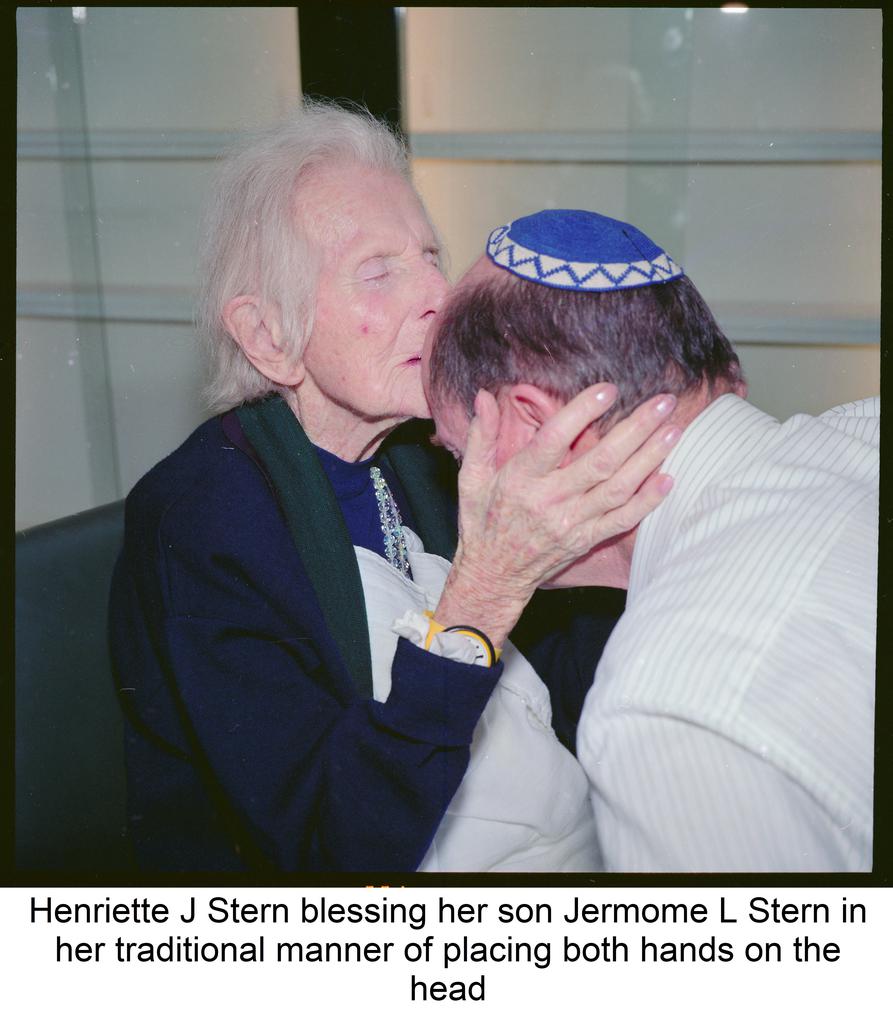
ד. וסמך ידו.... שהסמיכה נעשתה בשתי ידיים רואים אנו גם בכתובים הבאים: ויקרא ח: יד, יח, כב, שם: "ויסמכו... ידיהם". ולעומתם יש מקומות שבהם מדובר על יד אחת בלבד (ח כד), למרות ריבוי האנשים משמש כאן בלשון "ידם". וכן בבמדבר כז יח: "וסמכת את ידך". ובביצוע המעשה בפסוק כג נאמר: "ויסמוך את ידיו"...
The word “his hand” (yado) must be understood as referring to both hands. This is especially clear in light of the explicit verse later in Book of Leviticus 16:21, which states:
“And Aaron shall lay both his hands upon the head of the goat.”
Accordingly our sages established the rule (Menachot 93a):
“This serves as a general principle: wherever the Torah says ‘his hand,’ it means two hands.”
...
Further proof that the laying-on of hands was performed with both hands can be seen in the following verses:
Book of Leviticus 8:14, 8:18, and 8:22, where it states:
“They laid their hands.”
By contrast, there are places where only one hand is mentioned (Leviticus 8:24). Although several people are involved there, the expression used is still “their hand.”
Similarly in Book of Numbers 27:18, God tells Moses:
“And you shall lay your hand upon him. (Joshua)”
Yet when the act is actually carried out (27:23), the text reads:
“He laid his hands upon him.
מֵיתִיבִי: ״דַּבֵּר אֶל בְּנֵי יִשְׂרָאֵל ... וְסָמַךְ״, בְּנֵי יִשְׂרָאֵל סוֹמְכִין, וְאֵין בְּנוֹת יִשְׂרָאֵל סוֹמְכוֹת.
רַבִּי יוֹסֵי וְרַבִּי יִשְׁמָעֵאל אוֹמְרִים: בְּנוֹת יִשְׂרָאֵל סוֹמְכוֹת רְשׁוּת.
אָמַר רַבִּי יוֹסֵי, סָח לִי אַבָּא אֶלְעָזָר: פַּעַם אַחַת הָיָה לָנוּ עֵגֶל שֶׁל זִבְחֵי שְׁלָמִים, וַהֲבֵיאנוּהוּ לְעֶזְרַת נָשִׁים, וְסָמְכוּ עָלָיו נָשִׁים. לֹא מִפְּנֵי שֶׁסְּמִיכָה בְּנָשִׁים, אֶלָּא כְּדֵי לַעֲשׂוֹת נַחַת רוּחַ לַנָּשִׁים.
The Gemara raises an objection to this from a baraita: “Speak to the children of [benei] Israel” (Leviticus 1:2). The word benei literally means: Sons of. And it states nearby: “And he shall place his hand on the head of the burnt-offering” (Leviticus 1:4), from which we learn that the sons of Israel place their hands, but the daughters of Israel do not place them.
Rabbi Yosei and Rabbi Yishmael say: It is optional for the daughters of Israel to place their hands. They may place their hands if they so choose, although they are not obligated to do so.
Rabbi Yosei said: The Sage Abba Elazar related to me the following incident: On one occasion, we had a calf for a peace-offering, and we brought it to the Women’s Courtyard, and women placed their hands on it. We did this not because there is an obligation of placing hands in the case of women, but in order to please the women, by allowing them to sacrifice an offering, in all of its particulars, as men do.
נשים סומכות רשות
“Women may perform semikhah voluntarily.”
וכן מצינו בפר' פנחס (כז יח) ביהושע, שהקב"ה אמר למשה קח לך את יהושע בן נון איש אשר רוח בו וסמכת את ידך עליו אחת במשמע ובמעשה נאמר (שם כז כג) ויסמוך את ידיו עליו שתים במשמע, וכן כאן נאמר בצווי וסמך ידו ובמעשה כתיב וסמך אהרן את שתי ידיו וכן
בפר' פנחס נסמכה פר' עולת תמיד אל סמיכות יהושע אלא לומר לך כמו שהקרבנות תמידין נושאים עליהם אשמת העם כי... וזהו טעם הסמיכה ליתן שמץ ודופי של כל ישראל על הקרבן, כך ראשי ישראל הם קרבן אשם על העם כמו שלמדו רז"ל (ספרי דברים א יג) מן פסוק ואשמם בראשיכם שאשמת העם תלוי בראשיהם וזהו טעם סמיכות יד על יהושע לומר הרי אשמת העם תלוי בכם...
And so we find in the portion of Pinchas (Numbers 27:18) regarding Joshua, that the Holy One, blessed be He, said to Moses: Take for yourself Joshua son of Nun, a man who has spirit within him, and you shall lay your hand upon him — implying one hand. But in practice it is stated (Numbers 27:23): And he laid his hands upon him — implying two hands. Similarly here, in the command it says and he shall lay his hand, but in practice it is written: and Aaron shall lay both his hands. And likewise in the portion of Pinchas, the passage about the daily burnt offering is placed next to Joshua’s appointment, to tell you that just as the regular offerings bear the guilt of the people — and this is the reason for the laying of hands, to place the taint and blemish of all Israel upon the offering,
so too the leaders of Israel are a guilt offering for the people, as our Sages learned (Sifrei, Deuteronomy 1:13) from the verse and I will make them heads over you — that the guilt of the people is dependent on their leaders. ...
מַתְנִי׳ כׇּל קׇרְבְּנוֹת הַצִּבּוּר אֵין בָּהֶן סְמִיכָה, חוּץ מִן הַפָּר הַבָּא עַל כׇּל הַמִּצְוֹת, וְשָׂעִיר הַמִּשְׁתַּלֵּחַ. רַבִּי שִׁמְעוֹן אוֹמֵר: אַף שָׂעִיר עֲבוֹדָה זָרָה.
MISHNA: For all communal offerings there is no mitzva of placing hands on the head of the offering, except for the bull that comes to atone for a community-wide violation of any one of the mitzvot that was perpetrated due to an erroneous ruling of the Sanhedrin, where the judges of the Sanhedrin are required to place their hands upon its head (see Leviticus 4:13–21); and the scapegoat brought on Yom Kippur, upon which the High Priest places his hands (see Leviticus, chapter 16). Rabbi Shimon says: Also in the case of the goat that comes to atone for a community-wide perpetration of idol worship that occurred due to an erroneous ruling of the Sanhedrin, the judges of the Sanhedrin are required to place their hands upon its head (see Numbers 15:22–26).
(יג) וְאִ֨ם כׇּל־עֲדַ֤ת יִשְׂרָאֵל֙ יִשְׁגּ֔וּ וְנֶעְלַ֣ם דָּבָ֔ר מֵעֵינֵ֖י הַקָּהָ֑ל וְ֠עָשׂ֠וּ אַחַ֨ת מִכׇּל־מִצְוֺ֧ת יהוה אֲשֶׁ֥ר לֹא־תֵעָשֶׂ֖ינָה וְאָשֵֽׁמוּ׃ (יד) וְנֽוֹדְעָה֙ הַֽחַטָּ֔את אֲשֶׁ֥ר חָטְא֖וּ עָלֶ֑יהָ וְהִקְרִ֨יבוּ הַקָּהָ֜ל פַּ֤ר בֶּן־בָּקָר֙ לְחַטָּ֔את וְהֵבִ֣יאוּ אֹת֔וֹ לִפְנֵ֖י אֹ֥הֶל מוֹעֵֽד׃ (טו) וְ֠סָמְכ֠וּ זִקְנֵ֨י הָעֵדָ֧ה אֶת־יְדֵיהֶ֛ם עַל־רֹ֥אשׁ הַפָּ֖ר לִפְנֵ֣י יהוה וְשָׁחַ֥ט אֶת־הַפָּ֖ר לִפְנֵ֥י יהוה׃
(13)If it is the whole community of Israel that has erred and the matter escapes the notice of the congregation, so that they do any of the things that by GOD’s commandments ought not to be done, and they realize their guilt— (14) when the sin through which they incurred guilt becomes known, the congregation shall offer a bull of the herd as a purgation offering, and bring it before the Tent of Meeting. (15)The elders of the community shall lay their hands upon the head of the bull before GOD, and the bull shall be slaughtered before GOD.
(א)זקני העדה. הם המנהיגים והם יסמכו את ידיהם בעדם ובעד כל ישראל כי לא יתכן שיסמכו כל ישראל:
(1) AND THE ELDERS OF THE CONGREGATION. The elders are the leaders. They will lay their hands on their behalf and on behalf of all of Israel, for it is impossible for all of Israel to place their hands.
(יח) וַיֹּ֨אמֶר יהוה אֶל־מֹשֶׁ֗ה קַח־לְךָ֙ אֶת־יְהוֹשֻׁ֣עַ בִּן־נ֔וּן אִ֖ישׁ אֲשֶׁר־ר֣וּחַ בּ֑וֹ וְסָמַכְתָּ֥ אֶת־יָדְךָ֖ עָלָֽיו׃(יט) וְהַֽעֲמַדְתָּ֣ אֹת֗וֹ לִפְנֵי֙ אֶלְעָזָ֣ר הַכֹּהֵ֔ן וְלִפְנֵ֖י כׇּל־הָעֵדָ֑ה וְצִוִּיתָ֥ה אֹת֖וֹ לְעֵינֵיהֶֽם׃ (כ) וְנָתַתָּ֥ה מֵהֽוֹדְךָ֖ עָלָ֑יו לְמַ֣עַן יִשְׁמְע֔וּ כׇּל־עֲדַ֖ת בְּנֵ֥י יִשְׂרָאֵֽל׃ (כא) וְלִפְנֵ֨י אֶלְעָזָ֤ר הַכֹּהֵן֙ יַעֲמֹ֔ד וְשָׁ֥אַל ל֛וֹ בְּמִשְׁפַּ֥ט הָאוּרִ֖ים לִפְנֵ֣י יהוה עַל־פִּ֨יו יֵצְא֜וּ וְעַל־פִּ֣יו יָבֹ֗אוּ ה֛וּא וְכׇל־בְּנֵי־יִשְׂרָאֵ֥ל אִתּ֖וֹ וְכׇל־הָעֵדָֽה׃ (כב) וַיַּ֣עַשׂ מֹשֶׁ֔ה כַּאֲשֶׁ֛ר צִוָּ֥ה יהוה אֹת֑וֹ וַיִּקַּ֣ח אֶת־יְהוֹשֻׁ֗עַ וַיַּֽעֲמִדֵ֙הוּ֙ לִפְנֵי֙ אֶלְעָזָ֣ר הַכֹּהֵ֔ן וְלִפְנֵ֖י כׇּל־הָעֵדָֽה׃ (כג)וַיִּסְמֹ֧ךְ אֶת־יָדָ֛יו עָלָ֖יו וַיְצַוֵּ֑הוּ כַּאֲשֶׁ֛ר דִּבֶּ֥ר יהוה בְּיַד־מֹשֶֽׁה׃ {פ}
(18) And GOD answered Moses, “Single out Joshua son of Nun, an inspired man, and lay your hand upon him. (19) Have him stand before Eleazar the priest and before the whole community, and commission him in their sight. (20) Invest him with some of your authority, so that the whole Israelite community may obey. (21) But he shall present himself to Eleazar the priest, who shall on his behalf seek the decision of the Urim before GOD. By such instruction they shall go out and by such instruction they shall come in, he and all the Israelites, and the whole community.” (22) Moses did as GOD commanded him. He took Joshua and had him stand before Eleazar the priest and before the whole community. (23) He laid his hands upon him and commissioned him—as GOD had spoken through Moses.
(א) משֶׁה קִבֵּל תּוֹרָה מִסִּינַי, וּמְסָרָהּ לִיהוֹשֻׁעַ, וִיהוֹשֻׁעַ לִזְקֵנִים, וּזְקֵנִים לִנְבִיאִים, וּנְבִיאִים מְסָרוּהָ לְאַנְשֵׁי כְנֶסֶת הַגְּדוֹלָה. הֵם אָמְרוּ שְׁלשָׁה דְבָרִים, הֱווּ מְתוּנִים בַּדִּין, וְהַעֲמִידוּ תַלְמִידִים הַרְבֵּה, וַעֲשׂוּ סְיָג לַתּוֹרָה:
(ב) שִׁמְעוֹן הַצַּדִּיק הָיָה מִשְּׁיָרֵי כְנֶסֶת הַגְּדוֹלָה. הוּא הָיָה אוֹמֵר, עַל שְׁלשָׁה דְבָרִים הָעוֹלָם עוֹמֵד, עַל הַתּוֹרָה וְעַל הָעֲבוֹדָה וְעַל גְּמִילוּת חֲסָדִים:
(ג) אַנְטִיגְנוֹס אִישׁ סוֹכוֹ קִבֵּל מִשִּׁמְעוֹן הַצַּדִּיק. הוּא הָיָה אוֹמֵר, אַל תִּהְיוּ כַעֲבָדִים הַמְשַׁמְּשִׁין אֶת הָרַב עַל מְנָת לְקַבֵּל פְּרָס, אֶלָּא הֱווּ כַעֲבָדִים הַמְשַׁמְּשִׁין אֶת הָרַב שֶׁלֹּא עַל מְנָת לְקַבֵּל פְּרָס, וִיהִי מוֹרָא שָׁמַיִם עֲלֵיכֶם:
(ד) יוֹסֵי בֶן יוֹעֶזֶר אִישׁ צְרֵדָה וְיוֹסֵי בֶן יוֹחָנָן אִישׁ יְרוּשָׁלַיִם קִבְּלוּ מֵהֶם. יוֹסֵי בֶן יוֹעֶזֶר אִישׁ צְרֵדָה אוֹמֵר, יְהִי בֵיתְךָ בֵית וַעַד לַחֲכָמִים, וֶהֱוֵי מִתְאַבֵּק בַּעֲפַר רַגְלֵיהֶם, וֶהֱוֵי שׁוֹתֶה בְצָמָא אֶת דִּבְרֵיהֶם:
(1) Moses received the Torah at Sinai and transmitted it to Joshua, Joshua to the elders, and the elders to the prophets, and the prophets to the Men of the Great Assembly. They said three things: Be patient in [the administration of] justice, raise many disciples and make a fence round the Torah.
(2) Shimon the Righteous was one of the last of the men of the great assembly. He used to say: the world stands upon three things: the Torah, the Temple service, and the practice of acts of piety.
(3) Antigonus a man of Socho received [the oral tradition] from Shimon the Righteous. He used to say: do not be like servants who serve the master in the expectation of receiving a reward, but be like servants who serve the master without the expectation of receiving a reward, and let the fear of Heaven be upon you.
(4) Yose ben Yoezer (a man) of Zeredah and Yose ben Yohanan (a man) of Jerusalem received [the oral tradition] from them [i.e. Shimon the Righteous and Antigonus]. Yose ben Yoezer used to say: let thy house be a house of meeting for the Sages and sit in the very dust of their feet, and drink in their words with thirst.
סְמִיכַת זְקֵנִים וַעֲרִיפַת עֶגְלָה, בִּשְׁלֹשָׁה;
Both the laying of hands by the Sages and the breaking of the heifer’s neck in a case where a person was found murdered and it is not known who killed him (see Deuteronomy 21:1–9) are performed in front of a panel of three judges;
תָּנָא: סְמִיכָה וּסְמִיכַת זְקֵנִים בִּשְׁלֹשָׁה. מַאי סְמִיכָה וּמַאי סְמִיכַת זְקֵנִים? אָמַר רַבִּי יוֹחָנָן: מִיסְמַךְ סָבֵי.
§ The Sages taught in a baraita (Tosefta 10:15): The laying of hands and the laying of hands by the Sages are performed by three judges. What is the laying of hands, and what is the laying of hands by the Sages? It is clear that one of these terms is referring to the elders laying their hands on the bull offered for an unwitting communal sin, but what is the meaning of the other expression?
Rabbi Yoḥanan says: It is referring to the ordination of elders, meaning, to appoint Sages and grant them the title Rabbi.
שֶׁפַּעַם אַחַת גָּזְרָה מַלְכוּת הָרְשָׁעָה שְׁמָד עַל יִשְׂרָאֵל – שֶׁכׇּל הַסּוֹמֵךְ יֵהָרֵג, וְכׇל הַנִּסְמָךְ יֵהָרֵג, וְעִיר שֶׁסּוֹמְכִין בָּהּ תֵּיחָרֵב, וּתְחוּמִין שֶׁסּוֹמְכִין בָּהֶן יֵעָקְרוּ.
at one time the wicked kingdom of Rome issued decrees of religious persecution against the Jewish people with the aim of abolishing the chain of ordination and the authority of the Sages. They said that anyone who ordains judges will be killed, and anyone who is ordained will be killed, and the city in which they ordain the judges will be destroyed, and the signs identifying the boundaries of the city in which they ordain judges will be uprooted. These measures were intended to discourage the Sages from performing or receiving ordination due to fear for the welfare of the local population.
אָמַר רַבִּי יְהוֹשֻׁעַ בֶּן לֵוִי: אֵין סְמִיכָה בְּחוּצָה לָאָרֶץ. מַאי ״אֵין סְמִיכָה״? אִילֵּימָא דְּלָא דָּיְינִי דִּינֵי קְנָסוֹת כְּלָל בְּחוּצָה לָאָרֶץ, וְהָא תְּנַן: סַנְהֶדְרִין נוֹהֶגֶת בֵּין בָּאָרֶץ וּבֵין בְּחוּצָה לָאָרֶץ! אֶלָּא, דְּלָא סָמְכִינַן בְּחוּצָה לָאָרֶץ.
§ Rabbi Yehoshua ben Levi says: There is no ordination outside of Eretz Yisrael. The Gemara asks: What is the meaning of: There is no ordination? If we say that they may not adjudicate cases involving laws of fines at all outside of Eretz Yisrael, that is difficult: Didn’t we learn in a mishna (Makkot 7a): The Sanhedrin and its authority functions both in Eretz Yisrael and outside of Eretz Yisrael? Rather, the intention is that we do not ordain judges outside of Eretz Yisrael.
בָּרִאשׁוֹנָה הָיָה כָּל מִי שֶׁנִּסְמָךְ סוֹמֵךְ לְתַלְמִידָיו. וַחֲכָמִים חָלְקוּ כָּבוֹד לְהִלֵּל הַזָּקֵן וְהִתְקִינוּ שֶׁלֹּא יְהֵא אָדָם נִסְמָךְ אֶלָּא בִּרְשׁוּת הַנָּשִׂיא. וְשֶׁלֹּא יְהֵא הַנָּשִׂיא סוֹמֵךְ אֶלָּא אִם כֵּן הָיָה אַב בֵּית דִּין עִמּוֹ. וְשֶׁלֹּא יִהְיֶה אַב בֵּית דִּין סוֹמֵךְ אֶלָּא אִם כֵּן הָיָה הַנָּשִׂיא עִמּוֹ. אֲבָל שְׁאָר הַחֲבוּרָה יֵשׁ לְכָל אֶחָד מֵהֶם לִסְמֹךְ בִּרְשׁוּת הַנָּשִׂיא. וְהוּא שֶׁיִּהְיוּ שְׁנַיִם עִמּוֹ שֶׁאֵין סְמִיכָה פָּחוֹת מִשְּׁלֹשָׁה:
At first, whoever, had received semichah would convey semichah on his students. Afterwards, as an expression of honor to Hillel, the elder, the Sages ordained that semichah would not be conveyed upon anyone unless license had been granted by the nasi.
They also ordained that the nasi should not convey semichah unless he is accompanied by the av beit din, and that the av beit din should not convey semichah unless he was accompanied by the nasi. The other elders could convey semichah themselves after receiving license from the nasi, provided they were accompanied by two others. For semichah cannot be conveyed by less than three judges.
הֲרֵי שֶׁלֹּא הָיָה בְּאֶרֶץ יִשְׂרָאֵל אֶלָּא סוֹמֵךְ אֶחָד מוֹשִׁיב שְׁנַיִם בְּצִדּוֹ וְסוֹמֵךְ שִׁבְעִים כְּאֶחָד אוֹ זֶה אַחַר זֶה וְאַחַר כָּךְ יַעֲשֶׂה הוּא וְהַשִּׁבְעִים בֵּית דִּין הַגָּדוֹל וְיִסְמְכוּ בָּתֵּי דִּינִין אֲחֵרִים. נִרְאִין לִי הַדְּבָרִים שֶׁאִם הִסְכִּימוּ כָּל הַחֲכָמִים שֶׁבְּאֶרֶץ יִשְׂרָאֵל לְמַנּוֹת דַּיָּנִים וְלִסְמֹךְ אוֹתָם הֲרֵי אֵלּוּ סְמוּכִים וְיֵשׁ לָהֶן לָדוּן דִּינֵי קְנָסוֹת וְיֵשׁ לָהֶן לִסְמֹךְ לַאֲחֵרִים.
אִם כֵּן לָמָּה הָיוּ הַחֲכָמִים מִצְטַעֲרִין עַל הַסְּמִיכָה כְּדֵי שֶׁלֹּא יִבָּטְלוּ דִּינֵי קְנָסוֹת מִיִּשְׂרָאֵל. לְפִי שֶׁיִּשְׂרָאֵל מְפֻזָּרִין וְאִי אֶפְשָׁר שֶׁיַּסְכִּימוּ כֻּלָּן. וְאִם הָיָה שָׁם סָמוּךְ מִפִּי סָמוּךְ אֵינוֹ צָרִיךְ דַּעַת כֻּלָּן אֶלָּא דָּן דִּינֵי קְנָסוֹת לַכּל שֶׁהֲרֵי נִסְמַךְ מִפִּי בֵּית דִּין. וְהַדָּבָר צָרִיךְ הֶכְרֵעַ:
If there was only one judge in Eretz Yisrael who possessed semichah, he should call two other judges to sit with him and they should convey semichah on 70 judges at one time or one after the other. Afterwards, he and these 70 should join together to make up the Supreme Sanhedrin and grant semichah to others to make up other courts.
It appears to me that if all the wise men in Eretz Yisrael agree to appoint judges and convey semichah upon them, the semichah is binding and these judges may adjudicate cases involving financial penalties and convey semichah upon others.
If so, why did the Sages suffer anguish over the institution of semichah, so that the judgment of cases involving financial penalties would not be nullified among the Jewish people? Because the Jewish people were dispersed, and it is impossible that all could agree. If, by contrast, there was a person who had received semichah from a person who had received semichah, he does not require the consent of all others. Instead, he may adjudicate cases involving financial penalties for everyone, for he received semichah from a court.
The question whether semichah can be renewed requires resolution.
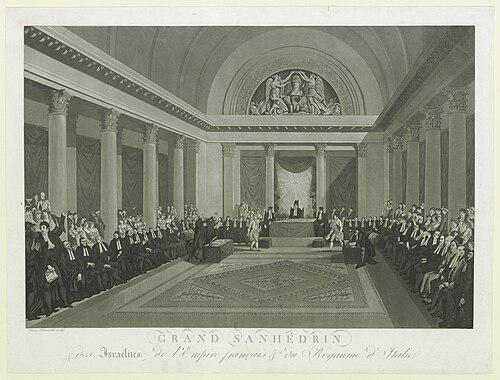
In the ultra-Orthodox (Haredi) framework the idea is roughly this:
halakhic rulings
ritual law
politics
communal strategy
education
social policy
even personal life decisions.
It becomes prominent in the writings and leadership model of figures such as:
Chaim Ozer Grodzinski
Elazar Shach
You must not find it strange that Aristotle differs here from the opinion of our Sages. The theory of the music of the spheres is connected with the theory of the motion of the stars in a fixed sphere, and our Sages have, in this astronomical question, abandoned their own theory in favour of the theory of others. Thus, it is distinctly stated, “The wise men of other nations have defeated the wise men of Israel.” It is quite right that our Sages have abandoned their own theory: for speculative matters every one treats according to the results of his own study, and every one accepts that which appears to him established by proof.
You must, however, not expect that everything our Sages say respecting astronomical matters should agree with observation, for mathematics were not fully developed in those days: and their statements were not based on the authority of the Prophets, but on the knowledge which they either themselves possessed or derived from contemporary men of science.
דע כי אתה חייב לדעת כל מי שירצה להעמיד דעת ידועה ולישא פני אומרה ולקבל דעתו בלי עיון והבנה לענין אותו דעת אם אמת אתה אם לא שזה מן הדעות הרעות והוא נאסר מדרך התורה וגם מדרך השכל ואינו ראוי מדרך השכל מפני שהוא מתחייב גרעון וחסרון בהתבוננת מה שצריך להאמין בו ומדרך התורה מפני שנוטה מדרך האמת ונוטה מעל קו הישר אמר השי"ת לא תשא פני דל ולא תהדר פני גדול בצדק תשפוט וגו' ואמר לא תכירו פנים במשפט וגו' ואין הפרש בין קבלת אותו דעת להעמידה בלא ראיה, או בין שנאמין לאומרה ונשא לו פנים ונטען לו כי האמת אתו בלי ספק מפני שהוא אדם גדול הימן וכלכל ודרדע שכל זה אינו ראיה אבל אסור ולפי הקדמה זו לא נתחייב מפני גודל מעלת חכמי התלמוד ותכונתם לשלימות תכונתם בפי' התורה ובדקדוקיה ויושר אמריהם בביאור כללים ופרטיה שנטען להם ונעמיד דעתם בכל אמריהם ברפואות ובחכמת הטבע והתכונה [ולהאמין] אותן כאשר נאמין אותן בפי' התורה שתכלית חכמתה בידם ולהם נמסרה להורותה לבני אדם כענין שנאמר על פי התורה אשר יורוך וגו' אתה רואה החכמים במה שלא נתברר להם מדרך סברתם ומשאם ומתנם אומרים האלהים! אילו אמרה יהושע בן נון לא ציתי' ליה כלומר לא הייתי מאמין ביה ואע"פ שהוא נביא כיון שאין בידו יכולת להודיע הענין בכוונה מדרך הסברא והמשא והמתן והדרכים שבהם ניתן התלמוד להדרש ודי בזה ראיה ומופת ולא נענעין להם עוד כיון שאנחנו מוצאים להם אומרים שלא נתאמת ולא נתקיימו בגמ' דברי הרפואות וכענין תקומה שאמרו שמונע להפיל הנפלים שלא נתאמת וכיוצא בזה עניינים רבים שדברו פ' שמונה שרצים במס' שבת וכו' ובמקומותם אתרץ דברים שבחנו אותם הבוחנים ונשמעו ביניהם וסמכו הם עליהם ולא יודה על אמתת עיון רופא אמתי ולא שכל:
Know that you must understand the following: anyone who wishes to uphold a particular opinion, to favor the person who said it, and to accept that opinion without examination or understanding—whether it is true or not—this is among the bad ways of thinking. It is forbidden both by the way of the Torah and by the way of reason.
It is not proper according to reason because it leads to deficiency and failure in examining what one ought to believe. And it is forbidden by the Torah because it turns a person away from the path of truth and from the straight line. As God said:
“You shall not show favoritism to the poor nor honor the great; with righteousness shall you judge…”
and
“You shall not show partiality in judgment.”
There is no difference between accepting an opinion without proof, and believing the one who stated it—showing him favor and claiming that the truth must certainly be with him merely because he is a great and trustworthy person. All of this is not evidence, and it is forbidden.
From this introduction it follows that, despite the great stature of the Sages of the Talmud and their perfection in explaining the Torah and its details, and their integrity in clarifying its general principles and particulars, we are not obligated to accept all of their statements in matters of medicine, natural science, and astronomy, nor to believe them in these matters in the same way that we believe them in the interpretation of the Torah—whose ultimate wisdom was placed in their hands and entrusted to them to teach to humanity, as it is said:
“According to the Torah which they shall teach you…”
You can see that the Sages themselves, when a matter had not been established through their reasoning and debate, would say:
“By God! Even if Joshua son of Nun had said this, we would not obey him.”
That is to say: we would not believe him—even though he was a prophet—because he does not possess the ability to clarify the matter through reasoning, argument, and the methods by which the Talmud is interpreted.
This alone is sufficient proof and demonstration.
Furthermore, we find that they themselves said that certain medical teachings mentioned in the Talmud were not confirmed, such as the remedy called tequmah, which they said could prevent miscarriage but which has not been verified. Many similar matters appear in the chapter “Eight Creeping Things” in Tractate Shabbat and elsewhere.
These were things that the Sages reported because they had been examined by investigators of their time and were accepted among people; therefore the Sages relied upon them. But they cannot be regarded as the established conclusions of a true physician nor as the result of demonstrative reasoning.
