Pinchas 5786 Apocalypse vav: broken peace, incomplete shalom; is wholeness possible?
Can peace result from violence? Learning from the broken vav in Parashat Pinchas
Can violence ever result in peace?
How can peace that is fractured be restored?
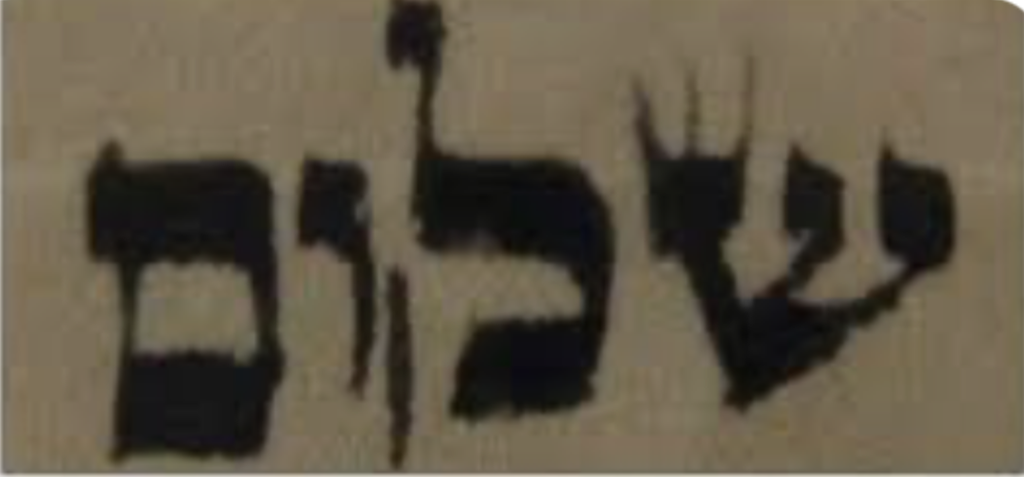
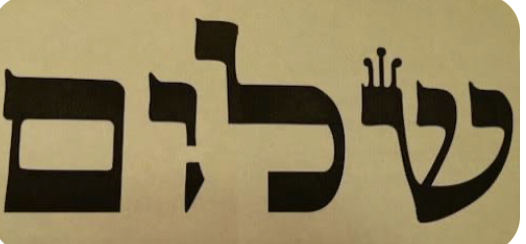
Parashat Pinchas (Numbers 25:10-30:1) famously contains arguably the most thought-provoking and meaningful, certainly unique, among the approximately 300 "unusual letters" as they are written in Torah scrolls (out of the total of 304,805 letters in a scroll): the broken vav, the vav ketia, in the word shalom:
User uploaded image
Of the approximately 300 unusually written letters in a Torah scroll (out of the 304,805 total letters), this is the only broken letter.
Its narrative context is complex and worthy of much study: Pinchas has zealously murdered an Israelite man and a Moabite woman, an action which seems to have the effect of interrupting a plague that God has visited on the Israelites as punishment for their straying from the monotheism that is to be observed. After this, God rewards Pinchas with priesthood and "my covenant of peace".

(יא) פִּֽינְחָ֨ס בֶּן־אֶלְעָזָ֜ר בֶּן־אַהֲרֹ֣ן הַכֹּהֵ֗ן הֵשִׁ֤יב אֶת־חֲמָתִי֙ מֵעַ֣ל בְּנֵֽי־יִשְׂרָאֵ֔ל בְּקַנְא֥וֹ אֶת־קִנְאָתִ֖י בְּתוֹכָ֑ם וְלֹא־כִלִּ֥יתִי אֶת־בְּנֵֽי־יִשְׂרָאֵ֖ל בְּקִנְאָתִֽי׃ (יב) לָכֵ֖ן אֱמֹ֑ר הִנְנִ֨י נֹתֵ֥ן ל֛וֹ אֶת־בְּרִיתִ֖י שָׁלֽוֹם׃(יג) וְהָ֤יְתָה לּוֹ֙ וּלְזַרְע֣וֹ אַחֲרָ֔יו בְּרִ֖ית כְּהֻנַּ֣ת עוֹלָ֑ם תַּ֗חַת אֲשֶׁ֤ר קִנֵּא֙ לֵֽאלֹהָ֔יו וַיְכַפֵּ֖ר עַל־בְּנֵ֥י יִשְׂרָאֵֽל׃

(11) “Phinehas, son of Eleazar son of Aaron the priest, has turned back My wrath from the Israelites by displaying among them his passion for Me, so that I did not wipe out the Israelite people in My passion. (12) Say, therefore, ‘I bestow on him my covenant of peace. (13) It shall be for him and his descendants after him a pact of priesthood for all time, because he took impassioned action for his God, thus making expiation for the Israelites.’”

Covenant of peace, with the third letter in the word שָׁלֽוֹםshalom written with a broken vav.... A reward of a covenant of peace after a vigilante act of extrajudicial killing?
I explored this question in the commentary I wrote last year on Parashat Pinchas:
well as in my 5784 commentary on Parashat Pinchas:
Pinchas 5784 - Brit Shalom, Now More Than Ever
This year, this month, this day, I am moved to deeply explore what we can learn from the vav ketia, the broken vav. What does it mean when peace is fractured or broken? Today, הַיּוֹם hayom, what can we learn from this fractured peace, at this very moment in history when ceasefires are meaningless and governments that should be affirming the peace, the wholeness and well-being, of their citizens, routinely ignore these obligations? Let's learn from the broken vav.
The unusual letters in a Torah scroll are collectively known as אותיות משונות, otiyot meshunot. Most of these letters are either smaller or larger than the standard inscribed letters; there is one pair of inverted nuns; and there are a small number of letters with unusual dots above them (puncta extraordinaria), or at a different distance from their neighbors. (I have written numerous commentaries regarding these unusual letters and their possible meanings; I will include links to those commentaries at the end of this one.)
"The persistence of the vav ketia across millennia of copying suggests that its brokenness itself carries meaning - that the fracture is not accidental but essential to the theological message....
"This integrative function reflects the deeper kabbalistic reality that the vav ketia represents. The fracture in the letter creates what the tradition calls the "challal hapanui" —the vacated space that appears absent of the divine but is¨paradoxically¨ filled with divine presence. As Reb Nachman teaches in Likutei Moharan 64, this apparently empty space is where the tzaddik learns to see God in God's absence bridging the gap through spiritual perception." The Fractured Vav: A Theology of Sacred Brokenness as Portal Between Healing and Holiness (2025) Julian Ungar-Sargon, MD, PhD (p. 2)
Regarding the vacated space into which the fractured vav invites us:

(ד) וְזֶה הֶחָלָל הַפָּנוּי הָיָה מֻכְרָח לִבְרִיאַת הָעוֹלָם, כִּי בִּלְתִּי הֶחָלָל הַפָּנוּי לֹא הָיָה שׁוּם מָקוֹם לִבְרִיאַת הָעוֹלָם כַּנַּ"ל. וְזֶה הַצִּמְצוּם שֶׁל הֶחָלָל הַפָּנוּי אִי אֶפְשָׁר לְהָבִין וּלְהַשִּׂיג כִּי אִם לֶעָתִיד לָבוֹא, כִּי צָרִיךְ לוֹמַר בּוֹ שְׁנֵי הֲפָכִים: יֵשׁ וָאַיִן,

(ה) כִּי הֶחָלָל הַפָּנוּי הוּא עַל־יְדֵי הַצִּמְצוּם, שֶׁכִּבְיָכוֹל צִמְצֵם אֱלֹקוּתוֹ מִשָּׁם, וְאֵין שָׁם אֱלֹקוּת כִּבְיָכוֹל, כִּי אִם לֹא כֵן אֵינוֹ פָּנוּי, וְהַכֹּל אֵין סוֹף, וְאֵין מָקוֹם לִבְרִיאַת הָעוֹלָם כְּלָל. אֲבָל בֶּאֱמֶת לַאֲמִתּוֹ, בְּוַדַּאי אַף־עַל־פִּי־כֵן יֵשׁ שָׁם גַּם כֵּן אֱלֹקוּת, כִּי בְּוַדַּאי אֵין שׁוּם דָּבָר בִּלְעֲדֵי חִיּוּתוֹ, וְעַל־כֵּן אִי אֶפְשָׁר לְהַשִּׂיג כְּלָל בְּחִינַת חָלָל הַפָּנוּי עַד לֶעָתִיד לָבוֹא:

(4) This Vacated Space was necessary for the creation of the world, since without the Vacated Space there would have been no place in which to create the world, as explained above. Yet, understanding and comprehending this contraction [that resulted in the formation] of the Vacated Space will be possible only in the Future, since it is necessary to say about it two contradictory things: existence and nonexistence.

(5) The Vacated Space is the result of the contraction; that [God], so to speak, withdrew His Godliness from that place. Thus there is, so to speak, no Godliness there. Were it not so, it would not be vacated. There would then be nothing but Ein Sof, with no place whatsoever for the world’s creation. However the actual truth is that, even so, there is surely Godliness there as well. For there is surely nothing without His life-force. This is why it is not at all possible to comprehend the concept of the Vacated Space until the Future.

Thus the space in the fractured vav draws us into the most profound of questions: the paradox of the simultaneous presence and absence of God.
Is there not a similar question as we try to comprehend the paradox of alleged ceasefires, of war crimes justified by nationalistic dogma?
Let's think about this a different way:
Have you ever come upon this broken vav when reading directly from a sefer Torah, from a Torah scroll? My experience when coming upon this word in a Torah scroll is a particular visceral as well as mental response. The break in the vav commands my attention. It is shocking. It challenges me. What does the broken vav ask of me? What does it ask of you?
User uploaded image
The vast preponderance of commentary on Pinchas' actions focuses on explaining or justifying his murderous actions: he had compassion for his brethren; it was an emergency situation and in such a situation, urgent action is justified. As far back as the Talmud (Yerushalmi Sanhedrin 9:7) we read that although Pinchas did break Torah law by the act of murder, his actions were permissible because his motivation was pure.
I suggest that at this critical time in history, we can no longer fall back on such ambivalent moral responses. Is it, or is it not, wrong to kill another human? It is ever right? What are the actual, moment-to-moment consequences, when we take the life of another - whether it be in Gaza, Lebanon, Iran, Sudan, or in any of the the execution chambers in any of the 27 states in the US, not to mention the Federal execution chamber, where the state intentionally takes the life of one of its citizens?
What is the moral challenge brought to us by this broken vav, and the moral cost of ignoring it? What are the ethical sequelae for us today when we indulge in this sort of exculpatory apologia for Pinchas' actions? or when we avert our eyes from the sequelae of war and violence?
User uploaded image
User uploaded image
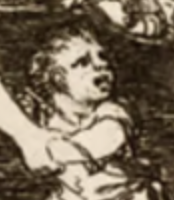
Plate 44 from Goya's series "The Disasters of War" (1810) (Los Desastres de la Guerra): "I saw it" (Yo lo vi); detail of child's face. It depicts a chaotic caravan of citizens, including women and children, fleeing their town on foot.
User uploaded image
A boy, relative of Palestinians who died as a result of Israeli attacks, cries as the dead bodies are brought to the Nasser Hospital for burial in Khan Yunis, Gaza on April 21, 2025
User uploaded image
The word שָׁלֽוֹם shalom appears 237 times in 209 verses in the Tanakh. As most readers will be aware, this word doesn't only mean "peace"; it also means "wholeness", "completion".
What's your favorite occurrence of the word שָׁלֽוֹם shalom in Tanakh?
I'm rather partial to its appearance in the Priestly Blessing (which we read recently in Parashat Naso):

(כד) יְבָרֶכְךָ֥ יהוה וְיִשְׁמְרֶֽךָ׃ {ס}(כה) יָאֵ֨ר יהוה ׀ פָּנָ֛יו אֵלֶ֖יךָ וִֽיחֻנֶּֽךָּ׃ {ס}(כו) יִשָּׂ֨א יהוה ׀ פָּנָיו֙ אֵלֶ֔יךָ וְיָשֵׂ֥ם לְךָ֖ שָׁלֽוֹם׃ {ס}

(24) GOD bless you and protect you! (25) GOD deal kindly and graciously with you! (26) GOD bestow favor upon you and grant you peace!

or how about:

(טו) ס֣וּר מֵ֭רָע וַעֲשֵׂה־ט֑וֹב בַּקֵּ֖שׁ שָׁל֣וֹם וְרׇדְפֵֽהוּ׃

(15) Shun evil and do good, seek peace and pursue it.

or: who can fail to be moved or comforted by these words in the Hashkiveinu prayer: U'fros aleinu sukkat sh'lomecha" - Spread over us the shelter of Your peace.
וּפְרוֹשׂ עָלֵינוּ סֻכַּת שְׁלוֹמֶךָ.

(א)...אִם בָּא אָדָם מִן הַדֶּרֶךְ שׁוֹאֲלִין לוֹ שָׁלוֹם, וְכֵן בְּשַׁחֲרִית שׁוֹאֲלִין לוֹ שָׁלוֹם, וּבָעֶרֶב שׁוֹאֲלִין לוֹ שָׁלוֹם וְקוֹרִין קְרִיאַת שְׁמַע וְחוֹתְמִין בְּשָׁלוֹם, הַפּוֹרֵס סֻכַּת שָׁלוֹם.

(1) ... If someone comes from a journey, we inquire of his peace (wellbeing). So too in the morning, we inquire of his peace, and in the evening we inquire of his peace....

"The Bulletin of the Atomic Scientists announced on Jan. 27 [2026] that the hands of the Doomsday Clock moved forward four seconds and now sits at 85 seconds to midnight—the closest the symbolic clock has ever been to apocalypse. Its statement cited expiring nuclear treaties, climate change, and AI and disinformation as among the major threats which have worsened in the past year....The Bulletin also cited military conflicts between nuclear-armed states; lack of progress on climate change; the rise of nationalistic autocracies; and the uncontrolled spread of generative AI as contributing to mis- and dis-information."
apocalypse
fractured vav
the vacated space where God is, and is not...
Let us be moved to enter into the profound questions into which the broken vav invites us. Let us be moved to truly inquire, with genuine interest and compassion, of the peace and well-being of others.

(יז) וְהָיָ֛ה מַעֲשֵׂ֥ה הַצְּדָקָ֖ה שָׁל֑וֹם וַֽעֲבֹדַת֙ הַצְּדָקָ֔ה הַשְׁקֵ֥ט וָבֶ֖טַח עַד־עוֹלָֽם׃

(17) For the work of righteousness shall be peace, And the effect of righteousness, calm and confidence forever.

My other commentaries on unusual letters / puncta extraordinaria in the Tanakh include: