


 Save
 Copy
 Add to Collection
 Export to Google Docs
 Share
Audio for this class
Questions & Orientation
- What questions do you bring to this class?
- Approach to this class
Schedule of this Course
- 10/5 (beginning of 26 Tishri) Bereishit / In the Beginning
- 10/12 (beginning of 2 Heshvan) Noach / Noah
- 10/19 (beginning of 9 Heshvan) Lech-Lecha / Go Forth!
- 10/26 (beginning of 16 Heshvan) Vayera / (God) appeared
- 11/2 (beginning of 23 Heshvan) Chayei Sarah / The Life of Sarah
- 11/9 (beginning of 30 Heshvan) Toledot / The Story (of Isaac)
- 11/16 (beginning of 7 Kislev) Vayetzei / (Jacob) left
- 11/23 (beginning of 14 Kislev) Vayishlach / (Jacob) sent
- 11/30 (beginning of 21 Kislev) Vayeshev / (Jacob) dwelt
- 12/7 (beginning of 28 Kislev) Miketz / After (two years’ time)
- 12/14 (beginning of 5 Tevet) Vayigash / (Judah) approached
Plan for Class 1: The Book of Bereshit and Parashat Bereshit / פרשת בראשית
- Chapters 1-11 Universal History
- Chapters 12-50 The Family of Abraham through Joseph
- 1:1-2:3 Creation... in Six/Seven Days
- 2:4-24 ... in the Garden of Eden
- 2:25-3:24 Sin and Expulsion from the Garden
- 4:1-26 Cain, Abel, Seth
- 5:1-32 From Adam to Noah
- 6:1-8 Interactions between humans and divine beings; God's judgment
Some Questions
- The Book as a Whole: What are some purposes of the book of Genesis?
- Creation (1:1-2:24): How does Creation unfold in chapter 1 and chapter 2?What is the place of human beings in God's world according to chapter 1 and chapter 2?
- Disobedience and Expulsion (2:25-3:24): What is sin? Where does sin come from?
- Fratricide (4:1-26): What makes society possible?
- Your Questions
What are some purposes of the Book of Genesis?
(א)בראשית. אָמַר רַבִּי יִצְחָק לֹֹֹֹֹא הָיָה צָרִיךְ לְהַתְחִיל אֶת הַתּוֹרָה אֶלָּא מֵהַחֹדֶשׁ הַזֶּה לָכֶם, שֶׁהִיא מִצְוָה רִאשׁוֹנָה שֶׁנִּצְטַוּוּ בָּהּ יִשׂרָאֵל, וּמַה טַּעַם פָּתַח בִּבְרֵאשִׁית? מִשׁוּם כֹּחַ מַעֲשָׂיו הִגִּיד לְעַמּוֹ לָתֵת לָהֶם נַחֲלַת גּוֹיִם (תהילים קי"א), שֶׁאִם יֹאמְרוּ אֻמּוֹת הָעוֹלָם לְיִשְׁרָאֵל לִסְטִים אַתֶּם, שֶׁכְּבַשְׁתֶּם אַרְצוֹת שִׁבְעָה גוֹיִם, הֵם אוֹמְרִים לָהֶם כָּל הָאָרֶץ שֶׁל הַקָּבָּ"ה הִיא, הוּא בְרָאָהּ וּנְתָנָהּ לַאֲשֶׁר יָשַׁר בְּעֵינָיו, בִּרְצוֹנוֹ נְתָנָהּ לָהֶם, וּבִרְצוֹנוֹ נְטָלָהּ מֵהֶם וּנְתָנָהּ לָנוּ:
(1) בראשית IN THE BEGINNING — Rabbi Isaac said: The Torah which is the Law book of Israel should have commenced with the verse (Exodus 12:2) “This month shall be unto you the first of the months” which is the first commandment given to Israel. What is the reason, then, that it commences with the account of the Creation? Because of the thought expressed in the text (Psalms 111:6) “He declared to His people the strength of His works (i.e. He gave an account of the work of Creation), in order that He might give them the heritage of the nations.” For should the peoples of the world say to Israel, “You are robbers, because you took by force the lands of the seven nations of Canaan”, Israel may reply to them, “All the earth belongs to the Holy One, blessed be He; He created it and gave it to whom He pleased. When He willed He gave it to them, and when He willed He took it from them and gave it to us” (Yalkut Shimoni on Torah 187).
(א) זה הספר הנקרא ספר בראשית. נקרא בפי הנביאים ספר הישר כדאיתא במ׳ עבודת כוכבים (כ״ה ע״א) על שני מקראות בס' יהושע (י׳ י״ג) הלא היא כתובה על ספר הישר. ובס' שמואל ב׳ (א׳ י״ח) ויאמר ללמד בני יהודה קשת הנה כתובה על ספר הישר. ומפרש ר׳ יוחנן זה ספר אברהם יצחק ויעקב שנקראו ישרים שנאמר תמות נפשי מות ישרים.
(1) This Book commonly known as The Book of Bereishis, is referred to by the Prophets as Sefer HaYashar, the Book of the Upright, as stated in Tractate Avodah Zarah 25a pertaining to the two [following] verses:
1. “And the sun stood still, and the moon stayed, until the people had avenged themselves upon their enemies. Is this not written in the Sefer HaYashar?”
2. “And he said to teach the Sons of Yehuda the bow. Behold it is written in the Sefer HaYashar.”
R’ Yochanan [ad loc.] explains that [Sefer HaYashar] is the book, [Bereishis, depicting the lives] of Avraham, Yitzchak and Yaakov, who were called “upright” [by Bilaam ], as stated, “Let me die the death of the upright.”
(ג) והענין דנתבאר בשירת האזינו עה״פ הצור תמים פעלו וגו' צדיק וישר הוא. דשבח ישר הוא נאמר להצדיק דין הקב״ה בחרבן בית שני שהיה דור עקש ופתלתל. ופירשנו שהיו צדיקים וחסידים ועמלי תורה. אך לא היו ישרים בהליכות עולמים. ע״כ מפני שנאת חנם שבלבם זא״ז חשדו את מי שראו שנוהג שלא כדעתם ביראת ה׳ שהוא צדוקי ואפיקורס. ובאו עי״ז לידי ש״ד בדרך הפלגה ולכל הרעות שבעולם עד שחרב הבית. וע״ז היה צדוק הדין. שהקב״ה ישר הוא ואינו סובל צדיקים כאלו אלא באופן שהולכים בדרך הישר גם בהליכות עולם ולא בעקמימות אע״ג שהוא לש״ש דזה גורם חרבן הבריאה והריסות ישוב הארץ.
(3) [The meaning of] yashar is as described in the Song of Ha’azenu:
The Rock - perfect is His work, for all His paths are justice; a faithful God without injustice - righteous and yashar is He.
By praising [God as] yashar, [the Torah] acknowledges the Holy One blessed be He’s judgment to be weighed against a generation [such as those who would] live during the destruction of the Second Temple, who are described as a perverse and twisted generation. We explained [ad loc], though they were righteous and pious, toiling in Torah study, they were not upright in their societal behavior. And so due to the baseless hatred for one another residing within their hearts, they suspected anyone who was not religious in accordance with their viewpoint to be a Sadducee or heretic. [This deficiency in the Torah scholars’ character] led to rampant murder along with a transgression of all the other evils in the world, causing the Temple’s destruction. [This is how the Torah presents] the acknowledgment of God’s justice [here]: the Holy One blessed be He is yashar, being intolerant of those types of [distorted] righteous individuals. [He is only accepting] of those who act in a way that is socially yashar – unlike those who act in a perverse manner, even when their actions are performed for the sake of Heaven. As such [a deficiency] can lead to the destruction of [God’s] creation and the ruin of civilization.
(ד) וזה היה שבח האבות שמלבד שהיו צדיקים וחסידים ואוהבי ה׳ באופן היותר אפשר. עוד היו ישרים. היינו שהתנהגו עם אוה״ע אפי׳ עובדי אלילים מכוערים. מ״מ היו עמם באהבה וחשו לטובתם באשר היא קיום הבריאה. כמו שאנו רואים כמה השתטח א״א להתפלל על סדום. אע״ג שהיה שנא אותם ואת מלכם תכלית שנאה עבור רשעתם כמבואר במאמרו למלך סדום. מ״מ חפץ בקיומם. וברבה פ׳ וירא (פמ״ט) איתא ע״ז שאמר הקב״ה לא״א אהבת צדק ותשנא רשע. אהבת להצדיק את בריותי ותשנא להרשיען ע״כ וכו'. והיינו ממש כאב המון גוים שאע״ג שאין הבן הולך במישרים מ״מ שוחר שלומו וטובו. וכן הוצק חן וד״א נפלא על דבר אברם את לוט כמו שנתבאר פ׳ לך. וכן ראינו כמה נח היה יצחק אבינו להתפייס ממשנאיו ובמעט דברי פיוס מאבימלך ומרעיו נתפייס באופן היותר ממה שבקשו ממנו כמבואר במקומו. ויעקב אבינו אחר שהיטב חרה לו על לבן שידע שביקש לעקרו לולי ה׳. מ״מ דבר עמו דברים רכים עד שאמרו ע״ז בב״ר (פע״ד) קפדותן של אבות ולא ענותנותן של בנים ע״ש. ונתפייס עמו מהר. וכן הרבה למדנו מהליכות האבות בד״א. מה ששייך לקיום העולם המיוחד לזה הספר שהוא ספר הבריאה. ומש״ה נקרא כמ״כ ספר הישר על מעשה אבות בזה הפרט. ובלעם בשעת רוה״ק לא היה יכול להתפלא על רוע מעשיו שאינו צדיק וחסיד כאברהם יצחק ויעקב אחרי שהוא נביא אוה״ע. וראשו במקור הטומאה.
(4) This was the greatness of our forefathers. In addition to being righteous, pious, and lovers of God to the utmost degree, they were also yesharim. That means they were civil with the [other] nations of the world, despite [the latter] being detestable idol worshipers. Our forefathers nevertheless extended them love and concern for their welfare, as this fortifies [God’s] creation.
[To illustrate,] we see how our forefather Avraham exerted himself greatly in prayer for the welfare of Sodom. He desired their survival, even though he totally detested them and their king due to their evil ways (as is clear from how he spoke to the King of Sodom). In the Midrash Rabbah on Parashas Vayerah, (Parasha 49) we find the following about this:
The Holy One Blessed Be He said to our forefather Avraham, “You love righteousness and loathe wickedness. You love to vindicate My creations and you loathe to convict them.”
He literally was like the father of a multitude of nations. For even when one’s son is not walking in righteousness, [the father still] seeks out his wellbeing and benefit. Similarly did graciousness and the most remarkable civility abound within Avraham’s words to Lot, as will become clear in the parashah of Lech L’cha.
We also see how conciliatory our forefather Yitzchak was with his enemies, and was reconciled to a much greater extent than befitted the minimal words of appeasement submitted by Avimelech and his friends – as explained over there.
Further, even though our forefather Yaakov was justifiably furious with Lavan – as he was aware that Lavan wanted to eradicate [him and his followers; and it would have happened] were it not for God [stopping him] – he, nevertheless, spoke with [Lavan] in a gentle manner, This is the case to such an extent that [the Sages] said of him in Bereishis Rabbah (Parasha 74), “ [Better] the anger of the forefathers than the modesty of the descendant” ─ [Yaakov] was readily appeased by him.
We have likewise gleaned much [more] from the forefathers’ societal behavior. This behavior is that which sustains the world, which is in turn a theme particular to this Book, the Book of Creation. For this reason this book is also entitled Sefer Ha-Yashar, highlighting this aspect of our forefathers’ actions.
How does Creation unfold in chapter 1 and chapter 2?
(א)בְּרֵאשִׁ֖ית בָּרָ֣א אֱלֹהִ֑ים אֵ֥ת הַשָּׁמַ֖יִם וְאֵ֥ת הָאָֽרֶץ׃ (ב) וְהָאָ֗רֶץ הָיְתָ֥ה תֹ֙הוּ֙ וָבֹ֔הוּ וְחֹ֖שֶׁךְ עַל־פְּנֵ֣י תְה֑וֹם וְר֣וּחַ אֱלֹהִ֔ים מְרַחֶ֖פֶת עַל־פְּנֵ֥י הַמָּֽיִם׃ (ג) וַיֹּ֥אמֶר אֱלֹהִ֖ים יְהִ֣י א֑וֹר וַֽיְהִי־אֽוֹר׃ (ד) וַיַּ֧רְא אֱלֹהִ֛ים אֶת־הָא֖וֹר כִּי־ט֑וֹב וַיַּבְדֵּ֣ל אֱלֹהִ֔ים בֵּ֥ין הָא֖וֹר וּבֵ֥ין הַחֹֽשֶׁךְ׃ (ה) וַיִּקְרָ֨א אֱלֹהִ֤ים ׀ לָאוֹר֙ י֔וֹם וְלַחֹ֖שֶׁךְ קָ֣רָא לָ֑יְלָה וַֽיְהִי־עֶ֥רֶב וַֽיְהִי־בֹ֖קֶר י֥וֹם אֶחָֽד׃ {פ}
(1) When God began to create heaven and earth— (2) the earth being unformed and void, with darkness over the surface of the deep and a wind from God sweeping over the water— (3) God said, “Let there be light”; and there was light. (4) God saw that the light was good, and God separated the light from the darkness. (5) God called the light Day—and called the darkness Night. And there was evening and there was morning, a first day.
(ד) אֵ֣לֶּה תוֹלְד֧וֹת הַשָּׁמַ֛יִם וְהָאָ֖רֶץ בְּהִבָּֽרְאָ֑ם בְּי֗וֹם עֲשׂ֛וֹת יְהֹוָ֥ה אֱלֹהִ֖ים אֶ֥רֶץ וְשָׁמָֽיִם׃ (ה) וְכֹ֣ל ׀ שִׂ֣יחַ הַשָּׂדֶ֗ה טֶ֚רֶם יִֽהְיֶ֣ה בָאָ֔רֶץ וְכׇל־עֵ֥שֶׂב הַשָּׂדֶ֖ה טֶ֣רֶם יִצְמָ֑ח כִּי֩ לֹ֨א הִמְטִ֜יר יְהֹוָ֤ה אֱלֹהִים֙ עַל־הָאָ֔רֶץ וְאָדָ֣ם אַ֔יִן לַֽעֲבֹ֖ד אֶת־הָֽאֲדָמָֽה׃ (ו) וְאֵ֖ד יַֽעֲלֶ֣ה מִן־הָאָ֑רֶץ וְהִשְׁקָ֖ה אֶֽת־כׇּל־פְּנֵ֥י הָֽאֲדָמָֽה׃ (ז) וַיִּ֩יצֶר֩ יְהֹוָ֨ה אֱלֹהִ֜ים אֶת־הָֽאָדָ֗ם עָפָר֙ מִן־הָ֣אֲדָמָ֔ה וַיִּפַּ֥ח בְּאַפָּ֖יו נִשְׁמַ֣ת חַיִּ֑ים וַיְהִ֥י הָֽאָדָ֖ם לְנֶ֥פֶשׁ חַיָּֽה׃ (ח) וַיִּטַּ֞ע יְהֹוָ֧ה אֱלֹהִ֛ים גַּן־בְּעֵ֖דֶן מִקֶּ֑דֶם וַיָּ֣שֶׂם שָׁ֔ם אֶת־הָֽאָדָ֖ם אֲשֶׁ֥ר יָצָֽר׃ (ט) וַיַּצְמַ֞ח יְהֹוָ֤ה אֱלֹהִים֙ מִן־הָ֣אֲדָמָ֔ה כׇּל־עֵ֛ץ נֶחְמָ֥ד לְמַרְאֶ֖ה וְט֣וֹב לְמַאֲכָ֑ל וְעֵ֤ץ הַֽחַיִּים֙ בְּת֣וֹךְ הַגָּ֔ן וְעֵ֕ץ הַדַּ֖עַת ט֥וֹב וָרָֽע׃
(4) Such is the story of heaven and earth when they were created.
When the ETERNAL God made earth and heaven— (5) when no shrub of the field was yet on earth and no grasses of the field had yet sprouted, because the ETERNAL God had not sent rain upon the earth and there were no human beings to till the soil, (6) but a flow would well up from the ground and water the whole surface of the earth— (7) the ETERNAL God formed a Human from the soil’s humus, blowing into his nostrils the breath of life: the Human became a living being. (8) The ETERNAL God planted a garden in Eden, in the east, and placed there the Human who had been fashioned. (9) And from the ground the ETERNAL God caused to grow every tree that was pleasing to the sight and good for food, with the tree of life in the middle of the garden, and the tree of knowledge of good and bad.
(ג) אָמַר לִי רִבִּי מִלָּה סְתִימָא הֲוָה קַמֵּי קוּדְשָׁא בְּרִיךְ הוּא, וְגָלֵי בִּמְתִיבְתָּא עִלָּאָה וְדָא הוּא. בְּשַׁעְתָּא דִּסְתִימָא דְכָל סְתִימִין בָּעָא לְאִתְגַּלְּיָא, עֲבַד בְּרֵישָׁא נְקוּדָ"ה (להלן ט"ו א', משפטים ק"ה א', ט' ב', שמות רכ"ו ב', רכ"ח א) חֲדָא, וְדָא סָלִיק לְמֶהוֵי מַחֲשָׁבָה. צִיֵּיר בָּהּ כָּל צִיּוּרִין. חָקַק בָּהּ כָּל גְּלִיפִין.
(ד) וְאַגְלִיף גּוֹ בּוֹצִינָא קַדִּישָׁא סְתִימָא גְּלִיפוּ דְּחַד צִיּוּרָא סְתִימָאָה קֹדֶשׁ קַדִּישִׁין בִּנְיָינָא עֲמִיקָא דְּנָפַק מִגּוֹ מַחֲשָׁבָה וְאִקְרֵי מִ"י שֵׁירוּתָא (נ"א ראשיתא) לְבִנְיָנָא. קַיָּימָא וְלָא קַיָּימָא. עָמִיק וְסָתִים בִּשְׁמָא. לָא אִקְרֵי אֶלָּא מִ"י. בָּעָא לְאִתְגַּלְיָיא וּלְאִתְקְרֵי בִּשְׁמָא (דא) וְאִתְלַבַּשׁ בִּלְבוּשׁ יְקָר דְּנָהִיר וּבָרָא אֵלֶּה, וְסָלִיק אֵלֶּ"ה בִּשְׁמָא. אִתְחַבְּרוּן אַתְוָון אִלֵּין בְּאִלֵּין וְאִשְׁתְּלִים בִּשְׁמָא אֱלֹהִים. וְעַד לָא בָרָא אֵלֶּה לָא סָלִיק בִּשְׁמָא אֱלֹהִים. וְאִנּוּן דְּחָבוּ בְּעֶגְלָא (נ"א בעלמא). עַל רָזָא דְנָא אָמְרוּ (שמות לכ) אֵלֶּה אֱלֹהֶיךָ יִשְׂרָאֵל.
(3) Then he [=Elijah] said to me [=Rabbi Shimon b. Yochai], “Master, the Holy One, blessed be He, had a deep secret which He at length revealed at the celestial Academy. It is this. When the most Mysterious wished to reveal Himself, He first produced a single point which was transmuted into a thought, and in this He executed innumerable designs, and engraved innumerable gravings.
(4) He further graved within the sacred and mystic lamp a mystic and most holy design, which was a wondrous edifice issuing from the midst of thought. This is called MI, and was the beginning of the edifice, existent and non-existent, deep-buried, unknowable by name. It was only called MI (Who?). It desired to become manifest and to be called by name. It therefore clothed itself in a refulgent and precious garment and created ELeH (these), and ELeH acquired a name. The letters of the two words intermingled, forming the complete name ELoHIM (God). (When the Israelites sinned in making the golden calf, they alluded to this mystery in saying ‘Eleh (these are) thy Gods, O Israel’ (Exod. 32, 4).)
(כח) אם סור תסור מחוקות אבותיך, והייתי לך לאדוני חסד ורחמים, ושמתיך לעשיר ולאדיר בארץ, ואהבתיך וכל מחסורך עלי.
"I beg you, my child, to look at the heaven and the earth and see everything that is in them, and recognize that God did not make them out of things that existed"
(מז) וְרָגְמ֨וּ עֲלֵיהֶ֥ן אֶ֙בֶן֙ קָהָ֔ל וּבָרֵ֥א אוֹתְהֶ֖ן בְּחַרְבוֹתָ֑ם בְּנֵיהֶ֤ם וּבְנֽוֹתֵיהֶם֙ יַהֲרֹ֔גוּ וּבָתֵּיהֶ֖ן בָּאֵ֥שׁ יִשְׂרֹֽפוּ׃
(47) Let the assembly pelt them with stones and cutthem down with their swords; let them kill their sons and daughters, and burn down their homes.
What is the place of human beings in God's world in chapter 1 and chapter 2?
(כו) וַיֹּ֣אמֶר אֱלֹהִ֔ים נַֽעֲשֶׂ֥ה אָדָ֛ם בְּצַלְמֵ֖נוּ כִּדְמוּתֵ֑נוּ וְיִרְדּוּ֩ בִדְגַ֨ת הַיָּ֜ם וּבְע֣וֹף הַשָּׁמַ֗יִם וּבַבְּהֵמָה֙ וּבְכׇל־הָאָ֔רֶץ וּבְכׇל־הָרֶ֖מֶשׂ הָֽרֹמֵ֥שׂ עַל־הָאָֽרֶץ׃ (כז) וַיִּבְרָ֨א אֱלֹהִ֤ים ׀ אֶת־הָֽאָדָם֙ בְּצַלְמ֔וֹ בְּצֶ֥לֶם אֱלֹהִ֖ים בָּרָ֣א אֹת֑וֹ זָכָ֥ר וּנְקֵבָ֖ה בָּרָ֥א אֹתָֽם׃ (כח) וַיְבָ֣רֶךְ אֹתָם֮ אֱלֹהִים֒ וַיֹּ֨אמֶר לָהֶ֜ם אֱלֹהִ֗ים פְּר֥וּ וּרְב֛וּ וּמִלְא֥וּ אֶת־הָאָ֖רֶץ וְכִבְשֻׁ֑הָ וּרְד֞וּ בִּדְגַ֤ת הַיָּם֙ וּבְע֣וֹף הַשָּׁמַ֔יִם וּבְכׇל־חַיָּ֖ה הָֽרֹמֶ֥שֶׂת עַל־הָאָֽרֶץ׃ (כט) וַיֹּ֣אמֶר אֱלֹהִ֗ים הִנֵּה֩ נָתַ֨תִּי לָכֶ֜ם אֶת־כׇּל־עֵ֣שֶׂב ׀ זֹרֵ֣עַ זֶ֗רַע אֲשֶׁר֙ עַל־פְּנֵ֣י כׇל־הָאָ֔רֶץ וְאֶת־כׇּל־הָעֵ֛ץ אֲשֶׁר־בּ֥וֹ פְרִי־עֵ֖ץ זֹרֵ֣עַ זָ֑רַע לָכֶ֥ם יִֽהְיֶ֖ה לְאׇכְלָֽה׃ (ל) וּֽלְכׇל־חַיַּ֣ת הָ֠אָ֠רֶץ וּלְכׇל־ע֨וֹף הַשָּׁמַ֜יִם וּלְכֹ֣ל ׀ רוֹמֵ֣שׂ עַל־הָאָ֗רֶץ אֲשֶׁר־בּוֹ֙ נֶ֣פֶשׁ חַיָּ֔ה אֶת־כׇּל־יֶ֥רֶק עֵ֖שֶׂב לְאׇכְלָ֑ה וַֽיְהִי־כֵֽן׃ (לא) וַיַּ֤רְא אֱלֹהִים֙ אֶת־כׇּל־אֲשֶׁ֣ר עָשָׂ֔ה וְהִנֵּה־ט֖וֹב מְאֹ֑ד וַֽיְהִי־עֶ֥רֶב וַֽיְהִי־בֹ֖קֶר י֥וֹם הַשִּׁשִּֽׁי׃ {פ}
(26) And God said, “Let us make humankind in our image, after our likeness. They shall rule the fish of the sea, the birds of the sky, the cattle, the whole earth, and all the creeping things that creep on earth.” (27)And God created humankind in the divine image,creating it in the image of God—creating them male and female.(28) God blessed them and God said to them, “Be fertile and increase, fill the earth and master it; and rule the fish of the sea, the birds of the sky, and all the living things that creep on earth.” (29) God said, “See, I give you every seed-bearing plant that is upon all the earth, and every tree that has seed-bearing fruit; they shall be yours for food. (30) And to all the animals on land, to all the birds of the sky, and to everything that creeps on earth, in which there is the breath of life, [I give] all the green plants for food.” And it was so. (31) And God saw all that had been made, and found it very good. And there was evening and there was morning, the sixth day.
(ה) וְכֹ֣ל ׀ שִׂ֣יחַ הַשָּׂדֶ֗ה טֶ֚רֶם יִֽהְיֶ֣ה בָאָ֔רֶץ וְכׇל־עֵ֥שֶׂב הַשָּׂדֶ֖ה טֶ֣רֶם יִצְמָ֑ח כִּי֩ לֹ֨א הִמְטִ֜יר יְהֹוָ֤ה אֱלֹהִים֙ עַל־הָאָ֔רֶץ וְאָדָ֣ם אַ֔יִן לַֽעֲבֹ֖ד אֶת־הָֽאֲדָמָֽה׃
(5) when no shrub of the field was yet on earth and no grasses of the field had yet sprouted, because the ETERNAL God had not sent rain upon the earth and there were no human beings to till the soil,
(ז) וַיִּ֩יצֶר֩ יְהֹוָ֨ה אֱלֹהִ֜ים אֶת־הָֽאָדָ֗ם עָפָר֙ מִן־הָ֣אֲדָמָ֔ה וַיִּפַּ֥ח בְּאַפָּ֖יו נִשְׁמַ֣ת חַיִּ֑ים וַיְהִ֥י הָֽאָדָ֖ם לְנֶ֥פֶשׁ חַיָּֽה׃
(7) the ETERNAL God formed a Human from the soil’s humus, blowing into his nostrils the breath of life: the Human became a living being.
(טו) וַיִּקַּ֛ח יְהֹוָ֥ה אֱלֹהִ֖ים אֶת־הָֽאָדָ֑ם וַיַּנִּחֵ֣הוּ בְגַן־עֵ֔דֶן לְעׇבְדָ֖הּ וּלְשׇׁמְרָֽהּ׃ (טז) וַיְצַו֙ יְהֹוָ֣ה אֱלֹהִ֔ים עַל־הָֽאָדָ֖ם לֵאמֹ֑ר מִכֹּ֥ל עֵֽץ־הַגָּ֖ן אָכֹ֥ל תֹּאכֵֽל׃ (יז) וּמֵעֵ֗ץ הַדַּ֙עַת֙ ט֣וֹב וָרָ֔ע לֹ֥א תֹאכַ֖ל מִמֶּ֑נּוּ כִּ֗י בְּי֛וֹם אֲכׇלְךָ֥ מִמֶּ֖נּוּ מ֥וֹת תָּמֽוּת׃
(15) The ETERNAL God settled the Human in the garden of Eden, to till it and tend it. (16) And the ETERNAL God commanded the Human, saying, “Of every tree of the garden you are free to eat; (17) but as for the tree of knowledge of good and bad, you must not eat of it; for as soon as you eat of it, you shall die.”
(יח) וַיֹּ֙אמֶר֙ יְהֹוָ֣ה אֱלֹהִ֔ים לֹא־ט֛וֹב הֱי֥וֹת הָֽאָדָ֖ם לְבַדּ֑וֹ אֶֽעֱשֶׂה־לּ֥וֹ עֵ֖זֶר כְּנֶגְדּֽוֹ׃ (יט) וַיִּ֩צֶר֩ יְהֹוָ֨ה אֱלֹהִ֜ים מִן־הָֽאֲדָמָ֗ה כׇּל־חַיַּ֤ת הַשָּׂדֶה֙ וְאֵת֙ כׇּל־ע֣וֹף הַשָּׁמַ֔יִם וַיָּבֵא֙ אֶל־הָ֣אָדָ֔ם לִרְא֖וֹת מַה־יִּקְרָא־ל֑וֹ וְכֹל֩ אֲשֶׁ֨ר יִקְרָא־ל֧וֹ הָֽאָדָ֛ם נֶ֥פֶשׁ חַיָּ֖ה ה֥וּא שְׁמֽוֹ׃ (כ) וַיִּקְרָ֨א הָֽאָדָ֜ם שֵׁמ֗וֹת לְכׇל־הַבְּהֵמָה֙ וּלְע֣וֹף הַשָּׁמַ֔יִם וּלְכֹ֖ל חַיַּ֣ת הַשָּׂדֶ֑ה וּלְאָדָ֕ם לֹֽא־מָצָ֥א עֵ֖זֶר כְּנֶגְדּֽוֹ׃ (כא) וַיַּפֵּל֩ יְהֹוָ֨ה אֱלֹהִ֧ים ׀ תַּרְדֵּמָ֛ה עַל־הָאָדָ֖ם וַיִּישָׁ֑ן וַיִּקַּ֗ח אַחַת֙ מִצַּלְעֹתָ֔יו וַיִּסְגֹּ֥ר בָּשָׂ֖ר תַּחְתֶּֽנָּה׃ (כב) וַיִּ֩בֶן֩ יְהֹוָ֨ה אֱלֹהִ֧ים ׀ אֶֽת־הַצֵּלָ֛ע אֲשֶׁר־לָקַ֥ח מִן־הָֽאָדָ֖ם לְאִשָּׁ֑ה וַיְבִאֶ֖הָ אֶל־הָֽאָדָֽם׃ (כג) וַיֹּ֘אמֶר֮ הָֽאָדָם֒ זֹ֣את הַפַּ֗עַם עֶ֚צֶם מֵֽעֲצָמַ֔י וּבָשָׂ֖ר מִבְּשָׂרִ֑י לְזֹאת֙ יִקָּרֵ֣א אִשָּׁ֔ה כִּ֥י מֵאִ֖ישׁ לֻֽקְחָה־זֹּֽאת׃ (כד) עַל־כֵּן֙ יַֽעֲזׇב־אִ֔ישׁ אֶת־אָבִ֖יו וְאֶת־אִמּ֑וֹ וְדָבַ֣ק בְּאִשְׁתּ֔וֹ וְהָי֖וּ לְבָשָׂ֥ר אֶחָֽד׃
(18) The ETERNAL God said, “It is not good for the Human to be alone; I will make a fitting counterpart for him.” (19) And the ETERNAL God formed out of the earth all the wild beasts and all the birds of the sky, and brought them to the Human to see what he would call them; and whatever the Human called each living creature, that would be its name. (20) And the Human gave names to all the cattle and to the birds of the sky and to all the wild beasts; but no fitting counterpart for a human being was found. (21) So the ETERNAL God cast a deep sleep upon the Human; and, while he slept, [God] took one of his sides and closed up the flesh at that site. (22) And the ETERNAL God fashioned the side that had been taken from the Human into a woman, bringing her to the Human. (23) Then the Human said,
“This one at lastIs bone of my bonesAnd flesh of my flesh.This one shall be called the Woman, For from the Man was she taken.”(24) Hence a man leaves his father and mother and clings to his wife, so that they become one flesh.
(ה) אָמַר רַבִּי סִימוֹן, בְּשָׁעָה שֶׁבָּא הַקָּדוֹשׁ בָּרוּךְ הוּא לִבְרֹאת אֶת אָדָם הָרִאשׁוֹן, נַעֲשׂוּ מַלְאֲכֵי הַשָּׁרֵת כִּתִּים כִּתִּים, וַחֲבוּרוֹת חֲבוּרוֹת, מֵהֶם אוֹמְרִים אַל יִבָּרֵא, וּמֵהֶם אוֹמְרִים יִבָּרֵא, הֲדָא הוּא דִכְתִיב (תהלים פה, יא): חֶסֶד וֶאֱמֶת נִפְגָּשׁוּ צֶדֶק וְשָׁלוֹם נָשָׁקוּ. חֶסֶד אוֹמֵר יִבָּרֵא, שֶׁהוּא גּוֹמֵל חֲסָדִים. וֶאֱמֶת אוֹמֵר אַל יִבָּרֵא, שֶׁכֻּלּוֹ שְׁקָרִים. צֶדֶק אוֹמֵר יִבָּרֵא, שֶׁהוּא עוֹשֶׂה צְדָקוֹת. שָׁלוֹם אוֹמֵר אַל יִבָּרֵא, דְּכוּלֵיהּ קְטָטָה. מֶה עָשָׂה הַקָּדוֹשׁ בָּרוּךְ הוּא נָטַל אֱמֶת וְהִשְׁלִיכוֹ לָאָרֶץ, הֲדָא הוּא דִכְתִיב (דניאל ח, יב): וְתַשְׁלֵךְ אֱמֶת אַרְצָה, אָמְרוּ מַלְאֲכֵי הַשָּׁרֵת לִפְנֵי הַקָּדוֹשׁ בָּרוּךְ הוּא, רִבּוֹן הָעוֹלָמִים מָה אַתָּה מְבַזֶּה תַּכְסִיס אַלְטִיכְסְיָה שֶׁלָּךְ, תַּעֲלֶה אֱמֶת מִן הָאָרֶץ, הֲדָא הוּא דִכְתִיב (תהלים פה, יב): אֱמֶת מֵאֶרֶץ תִּצְמָח.
...
רַב הוּנָא רַבָּהּ שֶׁל צִפּוֹרִין אֲמַר עַד שֶׁמַּלְאֲכֵי הַשָּׁרֵת מִדַּיְּנִין אֵלּוּ עִם אֵלּוּ וּמִתְעַסְּקִין אֵלּוּ עִם אֵלּוּ בְּרָאוֹ הַקָּדוֹשׁ בָּרוּךְ הוּא. אָמַר לָהֶן מָה אַתֶּם מִדַּיְּנִין כְּבָר נַעֲשָׂה אָדָם.
(5) Rabbi Simon said: When the Holy One blessed be He came to create Adam the first man, the ministering angels divided into various factions and various groups. Some of them were saying: ‘Let him not be created,’ and some of them were saying: ‘Let him be created.’ That is what is written: “Kindness and truth met; righteousness and peace touched” (Psalms 85:11). Kindness said: ‘Let him be created, as he performs acts of kindness.’ Truth said: ‘Let him not be created, as he is all full of lies.’ Righteousness said: ‘Let him be created, as he performs acts of righteousness.’ Peace said: ‘Let him not be created, as he is all full of discord.’ What did the Holy One blessed be He do? He took Truth and cast it down to earth. That is what is written: “You cast truth earthward” (Daniel 8:12). The ministering angels said before the Holy One blessed be He: ‘Master of the universe, why are You demeaning Your very seal? Let Truth ascend from the earth.’ That is what is written: “Truth will spring from the earth” (Psalms 85:12).
...
Rav Huna, the rabbi of Tzippori, said: While the ministering angels were busy deliberating with one another and engaging with one another, the Holy One blessed be He created him. He said to them: ‘Why are you deliberating? Man has already been created.’
(ד) כִּֽי־אֶרְאֶ֣ה שָׁ֭מֶיךָ מַעֲשֵׂ֣ה אֶצְבְּעֹתֶ֑יךָ יָרֵ֥חַ וְ֝כוֹכָבִ֗ים אֲשֶׁ֣ר כּוֹנָֽנְתָּה׃ (ה) מָה־אֱנ֥וֹשׁ כִּֽי־תִזְכְּרֶ֑נּוּ וּבֶן־אָ֝דָ֗ם כִּ֣י תִפְקְדֶֽנּוּ׃ (ו) וַתְּחַסְּרֵ֣הוּ מְּ֭עַט מֵאֱלֹהִ֑ים וְכָב֖וֹד וְהָדָ֣ר תְּעַטְּרֵֽהוּ׃ (ז) תַּ֭מְשִׁילֵהוּ בְּמַעֲשֵׂ֣י יָדֶ֑יךָ כֹּ֝֗ל שַׁ֣תָּה תַֽחַת־רַגְלָֽיו׃ (ח) צֹנֶ֣ה וַאֲלָפִ֣ים כֻּלָּ֑ם וְ֝גַ֗ם בַּהֲמ֥וֹת שָׂדָֽי׃ (ט) צִפּ֣וֹר שָׁ֭מַיִם וּדְגֵ֣י הַיָּ֑ם עֹ֝בֵ֗ר אׇרְח֥וֹת יַמִּֽים׃
(4)When I behold Your heavens, the work of Your fingers, the moon and stars that You set in place, (5) what are human beings that You have been mindful of them, mortals that You have taken note of them, (6) that You have made them little less than divine, and adorned them with glory and majesty? (7) You have made them master over Your handiwork, laying the world at their feet— (8) sheep and oxen, all of them, and wild beasts, too; (9) the birds of the heavens, the fish of the sea, whatever travels the paths of the seas.
(ו) שֹׁפֵךְ֙ דַּ֣ם הָֽאָדָ֔ם בָּֽאָדָ֖ם דָּמ֣וֹ יִשָּׁפֵ֑ךְ כִּ֚י בְּצֶ֣לֶםאֱלֹהִ֔ים עָשָׂ֖ה אֶת־הָאָדָֽם׃ (ז) וְאַתֶּ֖ם פְּר֣וּ וּרְב֑וּ שִׁרְצ֥וּ בָאָ֖רֶץ וּרְבוּ־בָֽהּ׃ {ס}
(6)Whoever sheds human blood, By human [hands] shall their blood be shed; For in the image of God Was humankind made.(7) Be fertile, then, and increase; abound on the earth and increase on it.”
(יד) הוּא הָיָה אוֹמֵר, חָבִיב אָדָם שֶׁנִּבְרָא בְצֶלֶם. חִבָּה יְתֵרָה נוֹדַעַת לוֹ שֶׁנִּבְרָא בְצֶלֶם, שֶׁנֶּאֱמַר (בראשית ט) כִּי בְּצֶלֶם אֱלֹהִים עָשָׂה אֶת הָאָדָם. ...
(14) He [=Rabbi Akiva] used to say: Beloved is man for he was created in the image [of God]. Especially beloved is he for it was made known to him that he had been created in the image [of God], as it is said: “for in the image of God He made man” (Genesis 9:6).
...
What is sin? Where does sin come from?
(כה) וַיִּֽהְי֤וּ שְׁנֵיהֶם֙ עֲרוּמִּ֔ים הָֽאָדָ֖ם וְאִשְׁתּ֑וֹ וְלֹ֖א יִתְבֹּשָֽׁשׁוּ׃ (א) וְהַנָּחָשׁ֙ הָיָ֣ה עָר֔וּם מִכֹּל֙ חַיַּ֣ת הַשָּׂדֶ֔ה אֲשֶׁ֥ר עָשָׂ֖ה יְהֹוָ֣ה אֱלֹהִ֑ים וַיֹּ֙אמֶר֙ אֶל־הָ֣אִשָּׁ֔ה אַ֚ף כִּֽי־אָמַ֣ר אֱלֹהִ֔ים לֹ֣א תֹֽאכְל֔וּ מִכֹּ֖ל עֵ֥ץ הַגָּֽן׃ (ב) וַתֹּ֥אמֶר הָֽאִשָּׁ֖ה אֶל־הַנָּחָ֑שׁ מִפְּרִ֥י עֵֽץ־הַגָּ֖ן נֹאכֵֽל׃ (ג) וּמִפְּרִ֣י הָעֵץ֮ אֲשֶׁ֣ר בְּתוֹךְ־הַגָּן֒ אָמַ֣ר אֱלֹהִ֗ים לֹ֤א תֹֽאכְלוּ֙ מִמֶּ֔נּוּ וְלֹ֥א תִגְּע֖וּ בּ֑וֹ פֶּן־תְּמֻתֽוּן׃ (ד) וַיֹּ֥אמֶר הַנָּחָ֖שׁ אֶל־הָֽאִשָּׁ֑ה לֹֽא־מ֖וֹת תְּמֻתֽוּן׃ (ה) כִּ֚י יֹדֵ֣עַ אֱלֹהִ֔ים כִּ֗י בְּיוֹם֙ אֲכׇלְכֶ֣ם מִמֶּ֔נּוּ וְנִפְקְח֖וּ עֵֽינֵיכֶ֑ם וִהְיִיתֶם֙ כֵּֽאלֹהִ֔ים יֹדְעֵ֖י ט֥וֹב וָרָֽע׃
(ו) וַתֵּ֣רֶא הָֽאִשָּׁ֡ה כִּ֣י טוֹב֩ הָעֵ֨ץ לְמַאֲכָ֜ל וְכִ֧י תַֽאֲוָה־ה֣וּא לָעֵינַ֗יִם וְנֶחְמָ֤ד הָעֵץ֙ לְהַשְׂכִּ֔יל וַתִּקַּ֥ח מִפִּרְי֖וֹ וַתֹּאכַ֑ל וַתִּתֵּ֧ן גַּם־לְאִישָׁ֛הּ עִמָּ֖הּ וַיֹּאכַֽל׃ (ז) וַתִּפָּקַ֙חְנָה֙ עֵינֵ֣י שְׁנֵיהֶ֔ם וַיֵּ֣דְע֔וּ כִּ֥י עֵֽירֻמִּ֖ם הֵ֑ם וַֽיִּתְפְּרוּ֙ עֲלֵ֣ה תְאֵנָ֔ה וַיַּעֲשׂ֥וּ לָהֶ֖ם חֲגֹרֹֽת׃ (ח) וַֽיִּשְׁמְע֞וּ אֶת־ק֨וֹל יְהֹוָ֧ה אֱלֹהִ֛ים מִתְהַלֵּ֥ךְ בַּגָּ֖ן לְר֣וּחַ הַיּ֑וֹם וַיִּתְחַבֵּ֨א הָֽאָדָ֜ם וְאִשְׁתּ֗וֹ מִפְּנֵי֙ יְהֹוָ֣ה אֱלֹהִ֔ים בְּת֖וֹךְ עֵ֥ץ הַגָּֽן׃
(ט) וַיִּקְרָ֛א יְהֹוָ֥ה אֱלֹהִ֖ים אֶל־הָֽאָדָ֑ם וַיֹּ֥אמֶר ל֖וֹ אַיֶּֽכָּה׃ (י) וַיֹּ֕אמֶר אֶת־קֹלְךָ֥ שָׁמַ֖עְתִּי בַּגָּ֑ן וָאִירָ֛א כִּֽי־עֵירֹ֥ם אָנֹ֖כִי וָאֵחָבֵֽא׃ (יא) וַיֹּ֕אמֶר מִ֚י הִגִּ֣יד לְךָ֔ כִּ֥י עֵירֹ֖ם אָ֑תָּה הֲמִן־הָעֵ֗ץ אֲשֶׁ֧ר צִוִּיתִ֛יךָ לְבִלְתִּ֥י אֲכׇל־מִמֶּ֖נּוּ אָכָֽלְתָּ׃ (יב) וַיֹּ֖אמֶר הָֽאָדָ֑ם הָֽאִשָּׁה֙ אֲשֶׁ֣ר נָתַ֣תָּה עִמָּדִ֔י הִ֛וא נָֽתְנָה־לִּ֥י מִן־הָעֵ֖ץ וָאֹכֵֽל׃ (יג) וַיֹּ֨אמֶר יְהֹוָ֧ה אֱלֹהִ֛ים לָאִשָּׁ֖ה מַה־זֹּ֣את עָשִׂ֑ית וַתֹּ֙אמֶר֙ הָֽאִשָּׁ֔ה הַנָּחָ֥שׁ הִשִּׁיאַ֖נִי וָאֹכֵֽל׃
(25) The two of them were naked, the Human and his wife, yet they felt no shame. (1) Now the serpent was the shrewdest of all the wild beasts that the ETERNAL God had made. It said to the woman, “Did God really say: You shall not eat of any tree of the garden?” (2) The woman replied to the serpent, “We may eat of the fruit of the other trees of the garden. (3) It is only about fruit of the tree in the middle of the garden that God said: ‘You shall not eat of it or touch it, lest you die.’” (4) And the serpent said to the woman, “You are not going to die, (5) but God knows that as soon as you eat of it your eyes will be opened and you will be like divine beings who know good and bad.”
(6) When the woman saw that the tree was good for eating and a delight to the eyes, and that the tree was desirable as a source of wisdom, she took of its fruit and ate. She also gave some to her husband, and he ate. (7) Then the eyes of both of them were opened and they perceived that they were naked; and they sewed together fig leaves and made themselves loincloths. (8) They heard the sound of the ETERNAL God moving about in the garden at the breezy time of day; and the Human and his wife hid from the ETERNAL God among the trees of the garden.
(9) The ETERNAL God called out to the Human and said to him, “Where are you?” (10) He replied, “I heard the sound of You in the garden, and I was afraid because I was naked, so I hid.” (11) “Who told you that you were naked? Did you eat of the tree from which I had forbidden you to eat?” (12) The Human said, “The woman You put at my side—she gave me of the tree, and I ate.” (13) And the ETERNAL God said to the woman, “What is this you have done!” The woman replied, “The serpent duped me, and I ate.”
(כג) כִּי יְיָ בָּרָא אֶת הָאָדָם לְהַחֲיוֹתוֹ חַיֵּי עוֹלָם. וְיַעַשׂ אוֹתוֹ בְּצַלְמוֹ כִּדְמוּתוֹ:
(כד) וּבְקִנְאַת הַשָּׁטָן עָלָה מָוֶת בְּתֵבֵל. וַאֲשֶׁר בְּגוֹרָלוֹ יִתְמְכוּ בוֹ:
for God created us for incorruption, and made us in the image of his own eternity, but through the devil's envy death entered the world, and those who belong to his company experience it. [translation from NRSV]
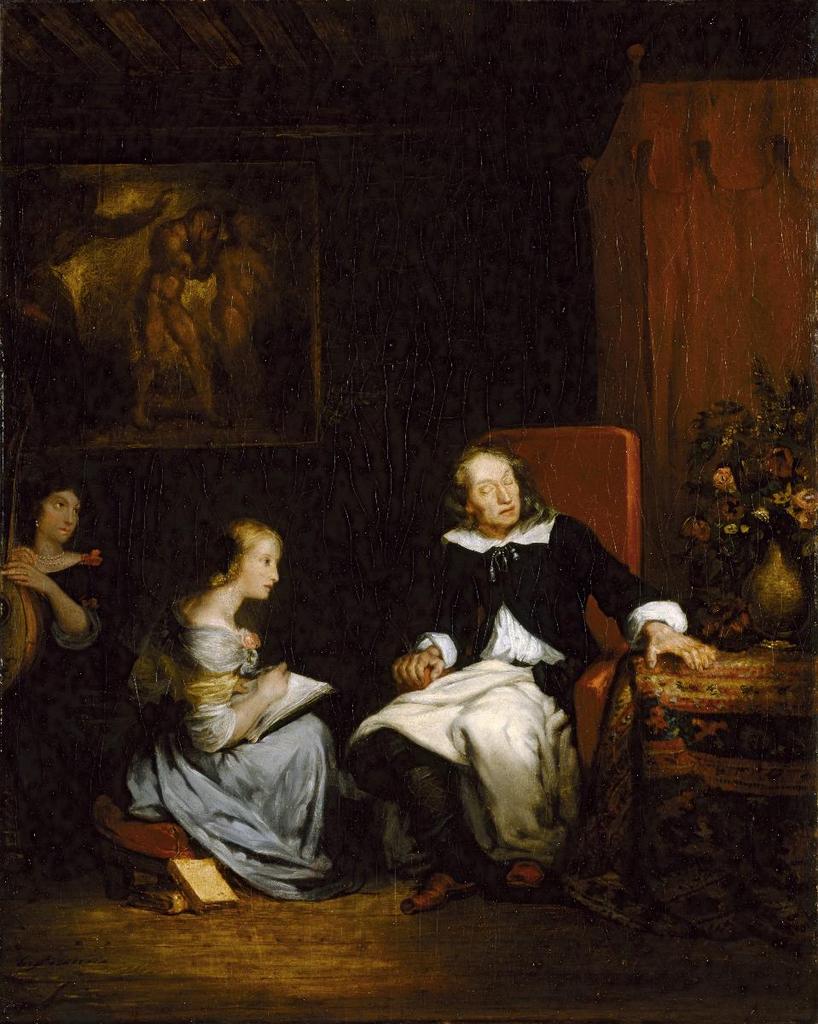
"To whom the Sovran Presence thus replied. Was she thy God, that her thou didst obey Before his voice? or was she made thy guide, Superiour, or but equal, that to her Thou didst resign thy manhood,..."
What makes society possible?
(א) וְהָ֣אָדָ֔ם יָדַ֖ע אֶת־חַוָּ֣ה אִשְׁתּ֑וֹ וַתַּ֙הַר֙ וַתֵּ֣לֶד אֶת־קַ֔יִן וַתֹּ֕אמֶר קָנִ֥יתִי אִ֖ישׁ אֶת־יְהֹוָֽה׃ (ב) וַתֹּ֣סֶף לָלֶ֔דֶת אֶת־אָחִ֖יו אֶת־הָ֑בֶל וַֽיְהִי־הֶ֙בֶל֙ רֹ֣עֵה צֹ֔אן וְקַ֕יִן הָיָ֖ה עֹבֵ֥ד אֲדָמָֽה׃ (ג) וַֽיְהִ֖י מִקֵּ֣ץ יָמִ֑ים וַיָּבֵ֨א קַ֜יִן מִפְּרִ֧י הָֽאֲדָמָ֛ה מִנְחָ֖ה לַֽיהֹוָֽה׃ (ד) וְהֶ֨בֶל הֵבִ֥יא גַם־ה֛וּא מִבְּכֹר֥וֹת צֹאנ֖וֹ וּמֵֽחֶלְבֵהֶ֑ן וַיִּ֣שַׁע יְהֹוָ֔ה אֶל־הֶ֖בֶל וְאֶל־מִנְחָתֽוֹ׃ (ה) וְאֶל־קַ֥יִן וְאֶל־מִנְחָת֖וֹ לֹ֣א שָׁעָ֑ה וַיִּ֤חַר לְקַ֙יִן֙ מְאֹ֔ד וַֽיִּפְּל֖וּ פָּנָֽיו׃
(ו) וַיֹּ֥אמֶר יְהֹוָ֖ה אֶל־קָ֑יִן לָ֚מָּה חָ֣רָה לָ֔ךְ וְלָ֖מָּה נָפְל֥וּ פָנֶֽיךָ׃ (ז) הֲל֤וֹא אִם־תֵּיטִיב֙ שְׂאֵ֔ת וְאִם֙ לֹ֣א תֵיטִ֔יב לַפֶּ֖תַח חַטָּ֣את רֹבֵ֑ץ וְאֵלֶ֙יךָ֙ תְּשׁ֣וּקָת֔וֹ וְאַתָּ֖ה תִּמְשׇׁל־בּֽוֹ׃
(ח) וַיֹּ֥אמֶר קַ֖יִן אֶל־הֶ֣בֶל אָחִ֑יו וַֽיְהִי֙ בִּהְיוֹתָ֣ם בַּשָּׂדֶ֔ה וַיָּ֥קׇם קַ֛יִן אֶל־הֶ֥בֶל אָחִ֖יו וַיַּהַרְגֵֽהוּ׃ (ט) וַיֹּ֤אמֶר יְהֹוָה֙ אֶל־קַ֔יִן אֵ֖י הֶ֣בֶל אָחִ֑יךָ וַיֹּ֙אמֶר֙ לֹ֣א יָדַ֔עְתִּי הֲשֹׁמֵ֥ר אָחִ֖י אָנֹֽכִי׃ (י) וַיֹּ֖אמֶר מֶ֣ה עָשִׂ֑יתָ ק֚וֹל דְּמֵ֣י אָחִ֔יךָ צֹעֲקִ֥ים אֵלַ֖י מִן־הָֽאֲדָמָֽה׃
(1) Now the Human knew his wife Eve, and she conceived and bore Cain, saying, “I have gained someone new with GOD’s help.” (2) She then bore his brother Abel. Abel became a keeper of sheep, and Cain became a tiller of the soil. (3) In the course of time, Cain brought an offering to GOD from the fruit of the soil; (4) and Abel, for his part, brought the choicest of the firstlings of his flock. GOD paid heed to Abel and his offering, (5) but paid no heed to Cain and his offering. Cain was much distressed and his face fell.
(6) And GOD said to Cain, “Why are you distressed, And why is your face fallen? (7) Surely, if you do right, There is uplift. But if you do not do right Sin couches at the door; Its urge is toward you, Yet you can be its master.”
(8) Cain said to his brother Abel … and when they were in the field, Cain set upon his brother Abel and killed him. (9) GOD said to Cain, “Where is your brother Abel?” And he said, “I do not know. Am I my brother’s keeper?” (10) “What have you done? Hark, your brother’s blood cries out to Me from the ground!
(ג)ואליך תשוקתו. שֶׁל חַטָּאת הוּא יֵצֶר הָרָע, תָּמִיד שׁוֹקֵק וּמִתְאַוֶּה לְהַכְשִׁילְךָ:
(3) ואליך תשוקתו AND UNTO THEE IS ITS LONGING — The longing of sin; it refers to the evil inclination. This is continually longing and desiring to make you sin.
(יג) וַיֵּצֵא קַיִן מִלִּפְנֵי ה' (בראשית ד, טז), מֵהֵיכָן יָצָא, רַבִּי יוּדָן בְּשֵׁם רַבִּי אַיְבוּ אָמַר הִפְשִׁיל דְּבָרִים לַאֲחוֹרָיו וְיָצָא, כְּגוֹנֵב דַּעַת הָעֶלְיוֹנָה. רַבִּי בֶּרֶכְיָה בְּשֵׁם רַבִּי אֶלְעָזָר בְּרַבִּי שִׁמְעוֹן אָמַר, יָצָא כְּמַפְרִיס וְכִמְרַמֶּה בְּבוֹרְאוֹ. רַבִּי חָמָא בְּשֵׁם רַבִּי חֲנִינָא בַּר רַבִּי יִצְחָק אָמַר, יָצָא שָׂמֵחַ, הֵיךְ מָה דְאַתְּ אָמַר (שמות ד, יד): הִנֵּה הוּא יֹצֵא לִקְרָאתֶךָ וגו', פָּגַע בּוֹ אָדָם הָרִאשׁוֹן אָמַר לוֹ מַה נַּעֲשָׂה בְּדִינְךָ, אָמַר לוֹ עָשִׂיתִי תְּשׁוּבָה וְנִתְפַּשַּׁרְתִּי. הִתְחִיל אָדָם הָרִאשׁוֹן מְטַפֵּחַ עַל פָּנָיו, אָמַר, כָּךְ הִיא כֹּחָהּ שֶׁל תְּשׁוּבָה וַאֲנִי לֹא הָיִיתִי יוֹדֵעַ, מִיָּד עָמַד אָדָם הָרִאשׁוֹן וְאָמַר (תהלים צב, א): מִזְמוֹר שִׁיר לְיוֹם הַשַּׁבָּת וגו'. אָמַר רַבִּי לֵוִי הַמִּזְמוֹר הַזֶּה אָדָם הָרִאשׁוֹן אֲמָרוֹ וְנִשְׁתַּכַּח מִדּוֹרוֹ וּבָא משֶׁה וְחִדְּשׁוֹ עַל שְׁמוֹ, מִזְמוֹר שִׁיר לְיוֹם הַשַּׁבָּת טוֹב לְהוֹדוֹת לַה' וגו'.
(13)“Cain departed [vayetze] from the presence of the Lord, and lived in the land of Nod, east of Eden” (Genesis 4:16).
“Cain departed from the presence of the Lord” – from where did he depart? Rabbi Yudan said in the name of Rabbi Aivu: He cast the words behind him and departed, as though deceiving the Most High. Rabbi Berekhya said in the name of Rabbi Elazar ben Rabbi Shimon: He departed as one who shows a split hoof, and as one who deceives his Creator.
Rabbi Ḥama said in the name of Rabbi Ḥanina bar Rabbi Yitzḥak: He departed joyfully, just as it says: “Here he is going out [yotze] to meet you [and he will see you and he will rejoice in his heart]” (Exodus 4:14). Adam the first man encountered him. He said to him: ‘What became of your sentence?’ He said to him: ‘I repented and reached a settlement.’ Adam the first man began beating himself on the face, saying: ‘Such is the power of repentance, and I did not know.’ Immediately, Adam the first man stood and said: “A psalm, a song for the Shabbat day…” (Psalms 92:1). Rabbi Levi said: Adam the first man said this Psalm, but it was forgotten from his generation, and Moses came and reintroduced it in his own name: “A psalm, a song for the Shabbat day. It is good to give thanks [lehodot] to the Lord…” (Psalms 92:1–2).
