


 Save
 Copy
 Add to Collection
 Export to Google Docs
 Share
(א) וַיֵּרָ֤א אֵלָיו֙ יְהֹוָ֔ה בְּאֵלֹנֵ֖י מַמְרֵ֑א וְה֛וּא יֹשֵׁ֥ב פֶּֽתַח־הָאֹ֖הֶל כְּחֹ֥ם הַיּֽוֹם׃ (ב) וַיִּשָּׂ֤א עֵינָיו֙ וַיַּ֔רְא וְהִנֵּה֙ שְׁלֹשָׁ֣ה אֲנָשִׁ֔ים נִצָּבִ֖ים עָלָ֑יו וַיַּ֗רְא וַיָּ֤רׇץ לִקְרָאתָם֙ מִפֶּ֣תַח הָאֹ֔הֶל וַיִּשְׁתַּ֖חוּ אָֽרְצָה׃ (ג) וַיֹּאמַ֑ר אֲדֹנָ֗י אִם־נָ֨א מָצָ֤אתִי חֵן֙ בְּעֵינֶ֔יךָ אַל־נָ֥א תַעֲבֹ֖ר מֵעַ֥ל עַבְדֶּֽךָ׃ (ד) יֻקַּֽח־נָ֣א מְעַט־מַ֔יִם וְרַחֲצ֖וּ רַגְלֵיכֶ֑ם וְהִֽשָּׁעֲנ֖וּ תַּ֥חַת הָעֵֽץ׃ (ה) וְאֶקְחָ֨ה פַת־לֶ֜חֶם וְסַעֲד֤וּ לִבְּכֶם֙ אַחַ֣ר תַּעֲבֹ֔רוּ כִּֽי־עַל־כֵּ֥ן עֲבַרְתֶּ֖ם עַֽל־עַבְדְּכֶ֑ם וַיֹּ֣אמְר֔וּ כֵּ֥ן תַּעֲשֶׂ֖ה כַּאֲשֶׁ֥ר דִּבַּֽרְתָּ׃ (ו) וַיְמַהֵ֧ר אַבְרָהָ֛ם הָאֹ֖הֱלָה אֶל־שָׂרָ֑ה וַיֹּ֗אמֶר מַהֲרִ֞י שְׁלֹ֤שׁ סְאִים֙ קֶ֣מַח סֹ֔לֶת ל֖וּשִׁי וַעֲשִׂ֥י עֻגֽוֹת׃ (ז) וְאֶל־הַבָּקָ֖ר רָ֣ץ אַבְרָהָ֑ם וַיִּקַּ֨ח בֶּן־בָּקָ֜ר רַ֤ךְ וָטוֹב֙ וַיִּתֵּ֣ן אֶל־הַנַּ֔עַר וַיְמַהֵ֖ר לַעֲשׂ֥וֹת אֹתֽוֹ׃
(1) GOD appeared to him by the terebinths of Mamre; he was sitting at the entrance of the tent as the day grew hot. (2) Looking up, he saw three figures standing near him. As soon as he saw them, he ran from the entrance of the tent to greet them and, bowing to the ground, (3) he said, “My lords! If it please you, do not go on past your servant. (4) Let a little water be brought; bathe your feet and recline under the tree. (5) And let me fetch a morsel of bread that you may refresh yourselves; then go on—seeing that you have come your servant’s way.” They replied, “Do as you have said.” (6) Abraham hastened into the tent to Sarah, and said, “Quick, three seahs of choice flour! Knead and make cakes!” (7) Then Abraham ran to the herd, took a calf, tender and choice, and gave it to a servant-boy, who hastened to prepare it.
וישא עיניו וירא, “וירץ”, וימהר אברהם האהלה אל שרה, ויאמר:
Composed: Middle-Age Germany (c.1400 – c.1500 CE)
(א)שַׁעַר הַחֲמִשָּׁה־עָשָׂר – שַׁעַר הַזְּרִיזוּת
(ב) הַזְּרִיזוּת הִיא מִדָּה גְּדוֹלָה לַתּוֹרָה וְלַמִּצְווֹת, וְגַם לְעִנְיַן תַּקָּנַת הָעוֹלָם הַזֶּה. וְהִיא מִדַּת הַצַּדִּיקִים לַעֲבוֹדַת הַבּוֹרֵא יִתְבָּרַךְ. וְאָמְרוּ רַבּוֹתֵינוּ זִכְרוֹנָם לִבְרָכָה (פסחים ד א): זְרִיזִין מַקְדִּימִים לְמִצְווֹת.
(ג) וְהִנֵּה תִּרְאֶה בְּאַבְרָהָם אָבִינוּ בְּעִנְיַן עֲקֵדָה, שֶׁנֶּאֱמַר (בראשית כב ג): ״וַיַּשְׁכֵּם אַבְרָהָם בַּבֹּקֶר...״; וְאַף עַל פִּי שֶׁהָיָה קָשֶׁה לוֹ לִשְׁחֹט אֶת בְּנוֹ יְחִידוֹ – עָשָׂה רְצוֹן הַבּוֹרֵא יִתְעַלֶּה בִּזְרִיזוּת לְהַשְׁכִּים בַּבֹּקֶר. וּמִי שֶׁעוֹשֶׂה מַעֲשָׂיו בִּזְרִיזוּת, בָּזֶה הוֹכָחָה גְּדוֹלָה שֶׁהוּא אוֹהֵב אֶת בּוֹרְאוֹ, כְּעֶבֶד הָאוֹהֵב אֶת אֲדוֹנָיו וּמְזָרֵז בְּעַצְמוֹ לַעֲשׂוֹת רְצוֹנוֹ. כִּי הַזְּרִיזוּת תְּלוּיָה בְּלֵב הָאָדָם, כְּשֶׁאָדָם מְפַנֶּה לִבּוֹ מִכָּל הַמַּחֲשָׁבוֹת הָאֲחֵרוֹת שֶׁיֵּשׁ בּוֹ, וְתוֹפֵס מַחֲשָׁבָה אַחַת – אָז הוּא מִזְדָּרֵז בְּלִי סָפֵק. כְּמוֹ כֵן עָשָׂה אַבְרָהָם, שֶׁהֵסִיר מִלִּבּוֹ אַהֲבַת בְּנוֹ וְאָחַז רְצוֹן בּוֹרְאוֹ, וּבִטֵּל אַהֲבַת בְּנוֹ מִפְּנֵי אַהֲבַת הַבּוֹרֵא יִתְבָּרַךְ.
(1) Chapter Fifteen: ON ZEAL
(2) Zeal for the Torah and the commandments is a great quality, and so is zeal that aims to make a better world. And it is a quality of the righteous in the service of the Creator, may He be Blessed. Our Sages, of blessed memory, said : "The zealous are early to perform their religious duties" (Pesahim 4a).
(3) Concerning Abraham, our father, in the account of the sacrifice of Isaac, it is said : "And Abraham rose in the morning" (Gen. 22:3). Even though it was difficult for him to offer up his only son, he nevertheless did the will of the Creator with zeal, arising early in the morning. He who performs his deeds with zeal demonstrates convincingly that he loves his Creator as a servant who loves his master and hastens to do His will. For zeal depends upon the heart of a man, as when a man cleanses his heart of all other thoughts that may be in it and clings to one thought only, then he makes himself alert and will no doubt succeed. Thus did Abraham do when he removed the love for his son from his heart and carried out the will of his Creator, nullifying his love for his son before his love for the Creator. Therefore, he made a point of rising early, for there was in his heart a great love for the Creator. ...
(ז) כְּגוֹן אִם צָרִיךְ אַתָּה לִרְאוֹת שׁוּם דָּבָר בְּסֵפֶר, הִשְׁתַּדֵּל לְחַפֵּשׂ הָעִנְיָן שֶׁתַּחְפֹּץ, וְתִהְיֶה זָרִיז לֵילֵךְ וְלִשְׁאוֹל מִמִּי שֶׁיּוֹדֵעַ הַדָּבָר. אִם יָבוֹא עָנִי לְבֵיתְךָ לְבַקֵּשׁ לֶחֶם, אַל תֹּאמַר: ״לֹא אוּכַל לֵילֵךְ וּלְהָבִיא הַלֶּחֶם״, אַךְ תֵּלֵךְ בִּזְרִיזוּת לְהָבִיא....
(7) Now, you ought to remember the things that men tend to be lazy about. If you must look up something in a book, and you do not know where to find it, you must be quick to go and to ask someone who is familiar with the subject. If a poor man comes to your house to ask for bread, do not say, "I cannot go and get the bread," but go quickly and bring it. ...
(ט) כְּלָלוֹ שֶׁל דָּבָר: יִבְדֹּק אָדָם עַצְמוֹ אֵיזוֹ עֲבֵרָה הוּא רָגִיל בָּהּ, וִימַהֵר לַעֲשׂוֹת גְּדֵרִים לְהִזָּהֵר וּלְהִשָּׁמֵר מִפָּנֶיהָ. גַּם יִבְדֹּק עַצְמוֹ בְּאֵיזֶה מִצְוָה הוּא מִתְרַפֶּה, וְיָבִין תְּחִלָּה מָה גּוֹרֵם לוֹ שֶׁהוּא רָפוּי מִמֶּנּוּ. כְּגוֹן אָדָם בַּטְלָן – יָבִין תְּחִלָּה שֶׁהַבִּטּוּל בָּאָה מִדְּבָרִים בְּטֵלִים, וּמִי שֶׁקּוֹבֵעַ עַצְמוֹ לִדְבָרִים בְּטֵלִים – הוּא מִתְבַּטֵּל מִתּוֹרָה וּמִתְּפִלָּה וּמִכָּל טוֹבָה. וִיהֵא זָרִיז לְהִסְתַּלֵּק מִן הַמְדַבְּרִים דְּבָרִים בְּטֵלִים, וְלֹא יִתְחַבֵּר עִמָּהֶם – בָּזֶה יֵשׁ לוֹ רְפוּאָה לְמַחֲלָתוֹ. וְכֵן יַעֲשֶׂה לְכָל הַמִּדּוֹת הַגְּרוּעוֹת: יָבִין מִתְּחִלָּה עַל הַיְּסוֹד הַגָּרוּעַ, וְיַהֲרֹס אוֹתוֹ, וְיָסִיר מֵעֵינָיו הַחֹשֶׁךְ הַמַּחְשִׁיךְ אוֹר נַפְשׁוֹ. וּלְכָל זֶה צָרִיךְ זְרִיזוּת לְסַלְּקָם, כִּי אִם יִתְעַצֵּל לַעֲקֹר וּלְשָׁרֵשׁ אוֹתָן הַמִּדּוֹת – אָז יַעֲשׂוּ בְּלִבּוֹ שֹׁרֶשׁ עָנָף שֶׁלֹּא יוּכַל לְקַצְּצָם. וְיִהְיֶה זָרִיז לְבַקֵּשׁ שָׁלוֹם וְלִרְדֹּף אַחֲרָיו, שֶׁנֶּאֱמַר (תהלים לד טו): ״בַּקֵּשׁ שָׁלוֹם וְרָדְפֵהוּ״.
(9) The general rule in this matter is that a man should examine himself and ask himself which sin he does customarily, and he should hasten to set up fences in order to take care to cease committing that particular transgression. He should also examine himself as to which commandment of God he is lax in. For example, an idlerאָדָם בַּטְלָן should understand right off that this idleness is a result of his being concerned with idle things. He who attaches himself to idle things will obviously reject Torah and prayer and all that is good. Such a man should depart from people who waste time in idle talk, and he should not be their companion; this will be a cure for his illness. Thus should he act with respect to all bad qualities. He should understand from the start what is at the root of his unworthy conduct and destroy it, thus removing the darkness which darkness the light of his soul. And for all these zeal is required, for if he is too lazy to root out these evil qualities, then they will become fixed in his heart so firmly that he will be unable to uproot them. He should be alert to seek peace and to pursue it. As it is said : "Seek peace and pursue it" (Ps. 34:15).
(יא) אָמַר רַבִּי יְהוּדָה בֶּן תֵּימָא: הֱוֵי עַז כַּנָּמֵר וְקַל כַּנֶּשֶׁר, רָץ כַּצְּבִי וְגִבּוֹר כָּאֲרִי, לַעֲשׂוֹת רְצוֹן אָבִיךָ שֶׁבַּשָּׁמַיִם (אבות ה כ). רְאֵה אֵיךְ הִזְהִירוֹ לַעֲשׂוֹת עַצְמוֹ קַל וְגִבּוֹר עַל הַמִּצְווֹת! וְכֵן אָמַר דָּוִד (תהלים קיט ס): ״חַשְׁתִּי וְלֹא הִתְמַהְמָהְתִּי לִשְׁמֹר מִצְוֹתֶיךָ״. וְכֵן דָּרְשׁוּ רַבּוֹתֵינוּ זִכְרוֹנָם לִבְרָכָה: ״וּשְׁמַרְתֶּם אֶת הַמַּצּוֹת״ (שמות יב יז) – אַל תִּקְרֵי ״מַצּוֹת״ אֶלָּא ״מִצְווֹת״: אִם תָּבוֹא מִצְוָה לְיָדְךָ אַל תַּחְמִיצֶנָּה, אֶלָּא עֲשֵׂה אוֹתָהּ מִיָּד....
(11) Rabbi Judah, the son of Tema, said, "Be bold as a leopard, light as an eagle, fast as a deer, mighty as a lion to do the will of your Father in heaven" (Aboth 5:24). See how they warned that one make himself light and strong in order to fulfill the commandments! Thus did David say, "I made haste, and delayed not, to observe Thy commandments" (Ps. 119:60). Thus did our Rabbis expound : " 'And ye shall observe the matzot (Ex. 12:17), do not read it as matzot (unleavened bread), but read it is as mitzvot (commandments)" — meaning if an opportunity comes to you to do a good deed, do not let it grow stale but do it at once (Mekhilta de Rabbi Ishmael, vol. I., p. 74). ...
(יב) אַף עַל פִּי שֶׁהַזְּרִיזוּת טוֹבָה מְאוֹד, יִזָּהֵר שֶׁלֹּא יְמַהֵר בַּעֲבוֹדָתוֹ יוֹתֵר מִדַּי. כִּי הָרוֹכֵב בִּמְהִירוּת – הוּא קָרוֹב מְאוֹד לְהִכָּשֵׁל. וְכֵן מִי שֶׁהוּא רָץ בִּמְהִירוּת – הוּא נוֹפֵל. וְלֹא יִתָּכֵן לְתַקֵּן מַעֲשֶׂה מְתֻקָּן בְּבֶהָלָה, אֲבָל בְּמִתּוּן יְתֻקְּנוּ הָעִנְיָנִים. וְכֵן אָמְרוּ רַבּוֹתֵינוּ (אבות א א): ״הֱווּ מְתוּנִים בַּדִּין״. וְהַזְּרִיזוּת: שֶׁיְּהֵא נֵעוֹר לִבּוֹ, וְיָקִיץ מַחְשְׁבוֹתָיו, וְיָקֵלּוּ אֵיבָרָיו לִמְלַאכְתּוֹ; אַךְ לֹא יְמַהֵר בְּשׁוּם עִנְיָן. וְכָל אֵלּוּ הָעִנְיָנִים צְרִיכִים חָכְמָה גְּדוֹלָה, מָתַי יְמַהֵר וּמָתַי יְאַחֵר.....
(יג) וְכַאֲשֶׁר צָרִיךְ זְרִיזוּת לַתּוֹרָה – כָּךְ צָרִיךְ זְרִיזוּת לְעִנְיַן הָעוֹלָם הַזֶּה: שֶׁיְּהֵא זָרִיז בִּמְלַאכְתּוֹ. וְיֵשׁ הַצְלָחָה גְּדוֹלָה לְמִי שֶׁעוֹשֶׂה עִנְיָנָיו בִּזְרִיזוּת. לָכֵן בֶּן אָדָם, תִּהְיֶה זָרִיז לִשְׁנֵי עוֹלָמִים, וַעֲשֵׂה מְלַאכְתְּךָ, שֶׁהוּא צָרְכֵי הָעוֹלָם הַזֶּה – בִּזְרִיזוּת, כְּדֵי שֶׁתִּפָּנֶה מְהֵרָה לִמְלֶאכֶת שָׁמַיִם.
(12) Even though zeal is a very good quality, one must be careful not to work too quickly. For one who rides quickly is liable to stumble, and one who runs quickly may fall. It is not wise to attempt to repair anything in haste, but rather with deliberation. And thus said our teachers, "Be deliberate in judgment!" (Aboth 1:1). And zeal means that one's heart must be stirred, and one's thoughts aroused and that one's limbs must be light for one's work, but one ought not to be hasty in any matter. All of these matters require great wisdom as to when to hurry and when to tarry. ...
(13) Just as a man must be quick in the matter of the Torah, so should he be quick in the matters of this world and be alert in his work. Great success is in store for him who does his work with alertness. Therefore, son of man, be alert in what concerns both worlds, and be quick in your work which is needed for this world, in order that you will soon be free to do the work of Heaven.
MusarAuthor:Moses Chaim Luzzatto (Ramchal)
Mesillat Yesharim is an ethical (musar) text composed by the influential Rabbi Moshe Chaim Luzzatto (1707–1746). It was written and published in Amsterdam. Mesillat Yesharim is probably Luzzato's most influential work, widely learned in virtually every yeshiva since formal study of musar texts was introduced to the yeshiva curriculum by the Musar Movement of Rabbi Yisrael Salanter. The aim is the perfection of character. Within each step, Luzzatto explains the step itself, its elements, how it can be acquired, and what might detract from its acquisition.
Composed: Amsterdam (1738 CE)
(א)בְּבֵאוּר חֶלְקֵי הַזְּרִיזוּת
חֶלְקֵי הַזְּרִיזוּת שְׁנַיִם, אֶחָד קֹדֶם הַמַּעֲשֶׂה וְאֶחָד אַחֲרֵי כֵן.
(ב) קֹדֶם הַתְחָלַת הַמַּעֲשֶׂה הוּא שֶׁלֹּא יַחְמִיץ הָאָדָם אֶת הַמִּצְוָה,
(ג) אֶלָּא בְּהַגִּיעַ זְמַנָּהּ אוֹ בְּהִזְדַּמְּנָה לְפָנָיו אוֹ בַּעֲלוֹתָהּ בְּמַחְשַׁבְתּוֹ, יְמַהֵר יָחִישׁ מַעֲשֵׂהוּ לֶאֱחֹז בָּהּ וְלַעֲשׂוֹת אוֹתָהּ וְלֹא יַנִּיחַ זְמַן לִזְמַן שֶׁיִּתְרַבֶּה בֵּינְתַיִם. כִּי אֵין סַכָּנָה כְּסַכָּנָתוֹ, אֲשֶׁר הִנֵּה כָּל רֶגַע שֶׁמִּתְחַדֵּשׁ, יוּכַל לְהִתְחַדֵּשׁ אֵיזֶה עִכּוּב לַמַּעֲשֶׂה הַטּוֹב...
(ו) עַל כֵּן הִזְהִירוּ זִכְרוֹנָם לִבְרָכָה (מכילתא שמות י"ב:י"ז): וּשְׁמַרְתֶּם אֶת הַמַּצּוֹת, מִצְוָה הַבָּאָה לְיָדְךָ אַל תַּחְמִיצֶנָּה,...
(ח) וְאָמְרוּ (פסחים ד): זְרִיזִים מַקְדִּימִים לַמִּצְווֹת. וְכֵן אָמְרוּ (ברכות ו): לְעוֹלָם יָרוּץ אָדָם לִדְבַר מִצְוָה וַאֲפִלּוּ בְּשַׁבָּת...
(י) כִּי הַזְּרִיזוּת הִיא מִדַּת שְׁלֵמוּת גָּדוֹל אֲשֶׁר טִבְעוֹ שֶׁל הָאָדָם מוֹנְעָהּ מִמֶּנּוּ עַתָּה. וּמִי שֶׁמִּתְגַּבֵּר וְתוֹפֵשׂ בָּהּ כָּל מַה שֶׁיּוּכַל, הִנֵּה לֶעָתִיד לָבוֹא יִזְכֶּה לָהּ בֶּאֱמֶת, אֲשֶׁר הַבּוֹרֵא יִתְבָּרַךְ יִתְּנָהּ לוֹ שְׂכָרוֹ חֵלֶף מָה שֶׁהִשְׁתַּדֵּל אַחֲרֶיהָ בִּזְמַן עֲבוֹדָתוֹ.
(יא) אַךְ הַזְּרִיזוּת אַחַר הַתְחָלַת הַמַּעֲשֶׂה הוּא, שֶׁכֵּיוָן שֶׁאָחַז בְּמִצְוָה, יְמַהֵר לְהַשְׁלִים אוֹתָהּ וְלֹא לְהָקֵל מֵעָלָיו כְּמִי שֶׁמִּתְאַוֶּה לְהַשְׁלִיךְ מֵעָלָיו מַשָּׂאוֹ, אֶלָּא מִיִּרְאָתוֹ פֶּן לֹא יִזְכֶּה לִגְמֹר אוֹתָהּ.
(יב) וְעַל זֶה הִרְבּוּ לְהַזְהִיר, זִכְרוֹנָם לִבְרָכָה, וְאָמְרוּ (בראשית רבה פ' פה): כָּל הַמַּתְחִיל בְּמִצְוָה וְאֵינוֹ גּוֹמֵר אוֹתָהּ, קוֹבֵר אִשְׁתּוֹ וּבָנָיו.
(יג) וְאָמְרוּ (שם): אֵין הַמִּצְוָה נִקְרֵאת אֶלָּא עַל שֵׁם גּוֹמְרָהּ...
(טו) וַחֲכָמִים זִכְרוֹנָם לִבְרָכָה (סנהדרין קד) יִחֲסוּ לוֹ הַשֶּׁבַח הַזֶּה, עַל שֶׁמִּהֵר בִּמְלֶאכֶת בִּנְיַן הַבַּיִת וְלֹא נִתְעַצֵּל בָּהּ לְאַחֵר אוֹתָהּ. וְכֵן דְּרָשׁוּהוּ עַל מֹשֶׁה עָלָיו הַשָּׁלוֹם, עַל שֶׁמִּהֵר בִּמְלֶאכֶת הַמִּשְׁכָּן.
(טז) וְכֵן תִּמְצָא כָּל מַעֲשֵׂיהֶם שֶׁל צַדִּיקִים תָּמִיד בִּמְהִירוּת. אַבְרָהָם כָּתוּב בּוֹ (בראשית י"ח:ו'): וַיְמַהֵר אַבְרָהָם הָאֹהֱלָה אֶל שָׂרָה וַיֹּאמֶר מַהֲרִי וְגוֹ', וַיִּתֵּן אֶל הַנַּעַר וַיְמַהֵר...
(יט) וְתִרְאֶה שֶׁהָאָדָם אֲשֶׁר תִּלְהַט נַפְשׁוֹ בַּעֲבוֹדַת בּוֹרְאוֹ, וַדַּאי שֶׁלֹּא יִתְעַצֵּל בַּעֲשִׂיַּת מִצְוֹתָיו, אֶלָּא תִּהְיֶה תְּנוּעָתוֹ כִּתְנוּעַת הָאֵשׁ הַמְּהִירָה, כִּי לֹא יָנוּחַ וְלֹא יִשְׁקֹט עַד אִם כִּלָּה הַדָּבָר לְהַשְׁלִימוֹ.
(כ) וְאָמְנָם, הִתְבּוֹנֵן עוֹד, שֶׁכְּמוֹ שֶׁהַזְּרִיזוּת הוּא תּוֹלֶדֶת הַהִתְלַהֲטוּת הַפְּנִימִי, כֵּן מִן הַזְּרִיזוּת יִוָּלֵד הַהִתְלַהֲטוּת. וְהַיְנוּ, כִּי מִי שֶׁמַּרְגִּישׁ עַצְמוֹ בְּמַעֲשֵׂה הַמִּצְוָה כְּמוֹ שֶׁהוּא מְמַהֵר תְּנוּעָתוֹ הַחִיצוֹנָה, כֵּן הִנֵּה הוּא גּוֹרֵם שֶׁתִּבְעַר בּוֹ תְּנוּעָתוֹ הַפְּנִימִית כְּמוֹ כֵן, וְהַחֵשֶׁק וְהַחֵפֶץ יִתְגַּבֵּר בּוֹ וְיֵלֵךְ. אַךְ אִם יִתְנַהֵג בִּכְבֵדוּת בִּתְנוּעַת אֵיבָרָיו, גַּם תְּנוּעַת רוּחוֹ תִּשְׁקַע וְתִכְבֶּה. וְזֶה דָּבָר שֶׁהַנִּסָּיוֹן יְעִידֵהוּ.
(כא) וְאָמְנָם כְּבָר יָדַעְתָּ, שֶׁהַנִּרְצֶה יוֹתֵר בַּעֲבוֹדַת הַבּוֹרֵא, יִתְבָּרַךְ שְׁמוֹ, הוּא חֵפֶץ הַלֵּב וּתְשׁוּקַת הַנְּשָׁמָה. וְהוּא מָה שֶׁדָּוִד הַמֶּלֶךְ מִתְהַלֵּל בְּחֶלְקוֹ הַטּוֹב וְאוֹמֵר (תהילים מ"ב:ב'-ג'): כְּאַיָּל תַּעֲרֹג עַל אֲפִיקֵי מָיִם כֵּן נַפְשִׁי תַעֲרֹג אֵלֶיךָ אֱלֹהִים, צָמְאָה נַפְשִׁי לֵאלֹהִים וְגוֹ'....
(כב) וְאוּלָם הָאָדָם אֲשֶׁר אֵין הַחֶמְדָּה הַזֹּאת לוֹהֶטֶת בּוֹ כָּרָאוּי, עֵצָה טוֹבָה הִיא לוֹ שֶׁיִּזְדָּרֵז בִּרְצוֹנוֹ, כְּדֵי שֶׁיִּמָּשֵׁךְ מִזֶּה שֶׁתִּוָּלֵד בּוֹ הַחֶמְדָּה בַּטֶּבַע, כִּי הַתְּנוּעָה הַחִיצוֹנָה מְעוֹרֶרֶת הַפְּנִימִית, וּבְוַדַּאי שֶׁיּוֹתֵר מְסוּרָה בְּיָדוֹ הִיא הַחִיצוֹנָה מֵהַפְּנִימִית. אַךְ אִם יִשְׁתַּמֵּשׁ מִמָּה שֶׁבְּיָדוֹ, יִקְנֶה גַּם מָה שֶׁאֵינוֹ בְּיָדוֹ בְּהֶמְשֵׁךְ, כִּי תִּוָּלֵד בּוֹ הַשִּׂמְחָה הַפְּנִימִית וְהַחֵפֶץ וְהַחֶמְדָּה מִכֹּחַ מָה שֶׁהוּא מִתְלַהֵט בִּתְנוּעָתוֹ בְּרָצוֹן...
(1) There are two divisions of Zeal. One applies before beginning a deed and the other one after beginning a deed.
(2) Before beginning a deed: that one not allow a Mitzva to become delayed (lit. Chametz).
(3) Rather when the time of its performance comes, or when it happens to present itself to him, or when the thought of performing it enters his mind, he should hurry and hasten to seize hold of it and perform it, and not allow time to go by in between. For there is no danger like its danger. Since, behold each new second that arises can bring with it a new impediment to the good deed.
(4) ...
(6) Therefore, the sages of blessed memory exhorted us: "And you shall watch over the Matzot" - if a Mitzva comes to your hand, do not delay its performance (lit. allow it to become Chametz)' (Mechilta Shemot 12:17).
...
(8) And they said: "zealous people do Mitzvot as early as possible" (Pesachim 4a). Likewise, they said: "a person should always run to perform a mitzva, even on the Sabbath".
...
(10) For the trait of Zeal is a very high spiritual level of Shelemut (perfection) which a person's nature impedes him from attaining at the current time. But he who strengthens himself and takes hold of it as much as he can, will, in the future world, merit to truly attain it. The Creator, may His Name be blessed, will bestow it to him as a reward for his striving for it during the time of his service.
(11) The division of Zeal "after beginning a deed" is as follows. Since one took hold of a mitzva he should hasten to complete it. This is not in order to lighten on himself like one who desires to cast a burden off himself but rather out of fear lest he not merit to complete it.
(12) On this our sages exhorted us numerous times. They said: "one who begins a Mitzva but does not complete it buries his wife and sons" (Bereishis Raba 85:3).
(13) And they said: "a Mitzva is attributed only to the one who completed it" (ibid).
..
(15) The Sages of blessed memory applied this praise to Shlomo himself for hastening the construction of the Temple and not being lazy in delaying it. They likewise expounded the verse regarding Moshe, peace be unto him, for hastening in the building of the Mishkan (Tabernacle).
(16) Likewise, you will observe that all the deeds of the Tzadikim (righteous) are always performed with haste. By Avraham it is written: "And Abraham hastened into the tent to Sarah, and said, make ready quickly three measures of fine meal... And he gave it to the lad and he hastened to prepare it" (Bereishis 18:6-7)
...
(19) You can see that a man whose soul is afire in the service of his Creator certainly will not become lazy in doing the Mitzvot. Rather, his movements will be like the quick movements of fire. For he will not rest nor be still until he has finished completing the deed.
(20) Reflect further that just like an inner fieriness of soul leads one to act with Zeal, so too the opposite, outwardly acting with Zeal leads to an inner fieriness of the soul. Namely, when one feels himself performing a Mitzva with great swiftness this will move his inner being to kindle aflame also, and the desire and want will increasingly intensify within him.
But if he acts in a sluggish manner in the movement of his limbs, so too the movement of his spirit will die down and extinguish. This is something experience can testify to.
(21) You already know that what is most desired in the service of G-d, may His Name be blessed, is desire of the heart and longing of the soul. חֵפֶץ הַלֵּב וּתְשׁוּקַת הַנְּשָׁמָה It is concerning this that King David praised his portion saying: "As a deer yearns longingly for the water brooks, so does my soul yearn longingly to You, O G-d; My soul thirsts for G-d..." (Tehilim 42:2-3), ...
(22) But for a man in whom this longing does not burn as it should, a good advice for him is to act with zeal by force of will in order that this will bring an inner awakening of this longing in his inner nature.
For the external movement rouses the inner ones and certainly the external movement is more in his power than the inner ones. Thus, if he exercises what is in his power to do, this will lead him to also attain what is not in his power. For an inner joy will awaken within him and a desire and longing through the power of acting fiery, externally, by the force of will...
In order to exemplify the implausibility of this widespread attitude toward yir’ah and Mussar, Salanter used a parable closest to his audience’s experience:
How much thought does the merchant with wares engage in before concluding a [given] business deal, [to decide] whether to carry it out or to refrain from it. He will think it over within himself and consult with his friends . . . he will examine the details, seek out [possible] errors, until the matter is clear. . . . So in the study of our Holy Torah, each one on his own level will study and examine it, to uncover its hidden treasures, establish fresh insights and to analyze argumentation. Not so in matters of Mussar; the contemplation—the examination of all the ways and deeds of man, to guard against the tendencies of the will and the Impulse which disturb and obstruct everything good and superior—such is necessary and essential in order to acquire yir’ah. . . . In all these matters man’s laziness is very great. He feels it burdensome to himself to turn to it even for a short while, to the extent that he would consider it a waste of time.
The second major component of his message is implicit in the very system of ethical education, expressed in another homily, once again taken from the realm of commercial life:
A person who is troubled will do badly wherever he turns, his business will do poorly, his power and his intellect will be confused, held back by his worries and confusion. . . . And if a person comes and says to him, “I see a light for you. If you do such and such a thing, according to the proper estimate, you will be able to profit a thousand thousand gold dinars” . . . he will summon all his powers of concentration until that matter becomes enrooted in his heart, in a proper and sustained manner. . . . So are we here today. . . . Our sins overwhelm us, each in his own way. We stand far away from the goal for which we were created, each on his own level. . . . And now we have a bright light beckoning to bring merit to the multitude, to strengthen weak hands through the study of Mussar. . . .
... an optimistic tone in his remarks concerning Mussar study as a means of Mussar education stands out. His evaluation of the prospects of its influence, and the fact that this new technique had not yet been tried, at least not on a mass scale, filled him with great hope.
This book Heshbon ha-nefesh (lit., “accounting of the soul”) is a wondrous device for the healing of character flaws by means of persistence in education for their correction through accounting and behavior which is easy and light, as well as for becoming expert in healing others and to render their education easy in the best way.
Page 125
Rabbi Israel Salanter’s Intellectual Sources
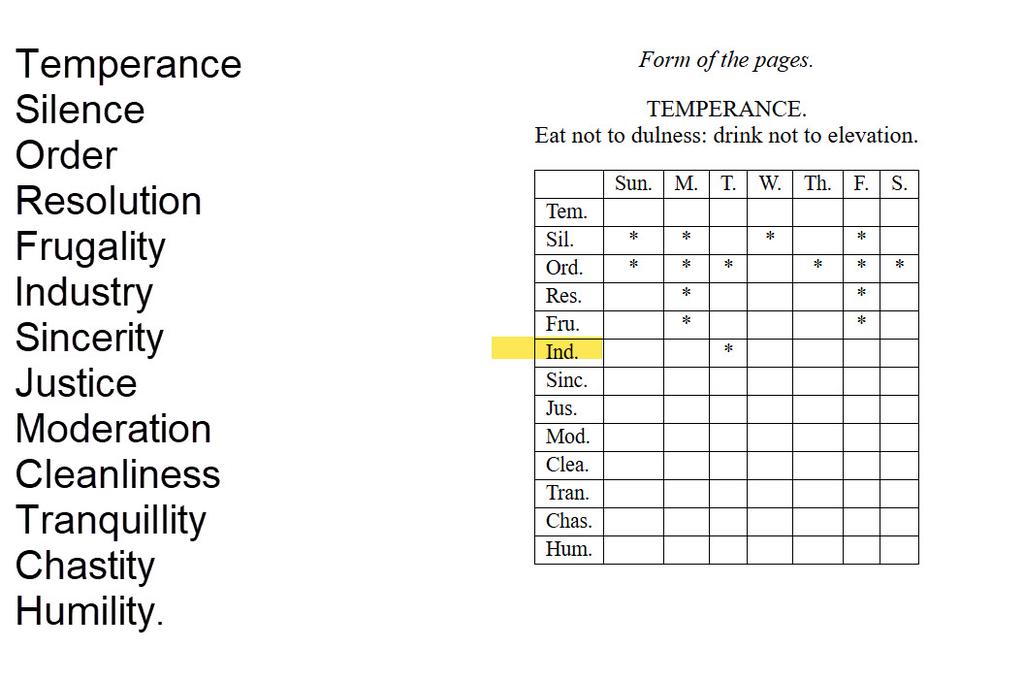
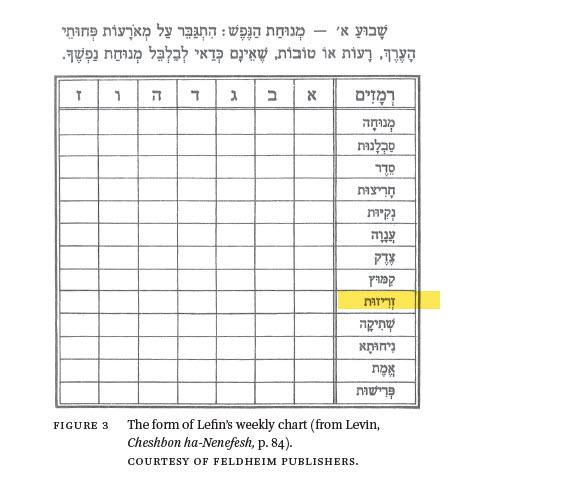
and don’t allow a moment of your life to be wasted.
