




 Save
 Copy
 Add to Collection
 Export to Google Docs
 Share
Spotify | Apple Podcasts | YouTube
Link to Substack post: here
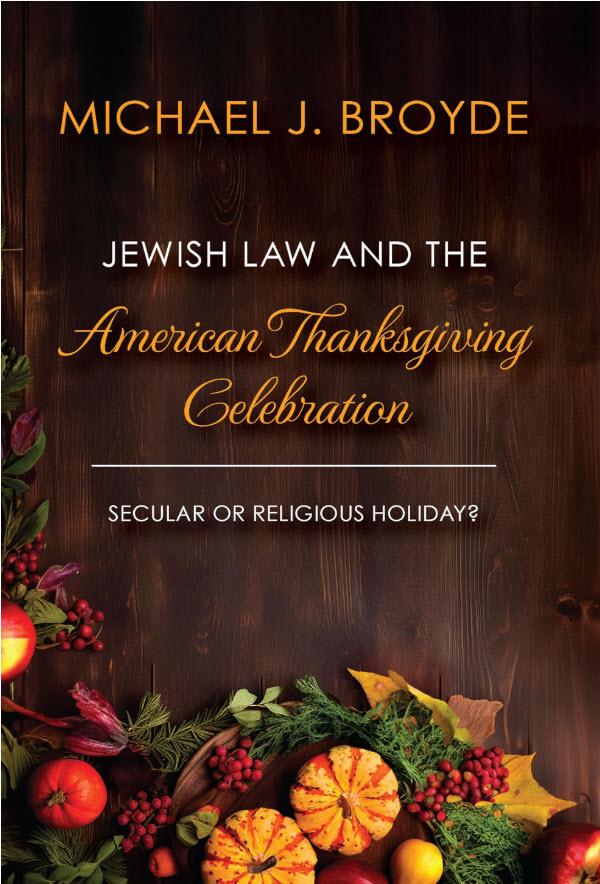
"I don’t ask Gedolim about Thanksgiving. I ask goyim what Thanksgiving is. And three kosher goyim wrote in encyclopedias that Thanksgiving is a church holiday, they’re my poskim." Avigdor Miller quoted in book (see also: Toras Avigdor)
For anyone interested in the origins of American cultural holidays, the book is a fascinating sourcebook. Prof Broyde; you take us through the history, customs, and changing meanings of these celebrations. You do what lawyers might call discovery: before rendering a legal judgment, you investigate the facts.
It is ironic that we Jews are forced to study foreign cultures and religions in order to comply with our own. Do you agree?
Please guide us through this discussion of origins and purpose of Gentile social practice.
In the second are those that are done for religious purposes or for purposes of immodesty. Rabbi Klein then cites Gra, who rules that all Gentile customs and laws that don’t have Jewish origins should be avoided because they might have origins in the idolatrous customs of the past."
מַתְנִי׳ וְאֵלּוּ אֵידֵיהֶן שֶׁל גּוֹיִם — קָלֶנְדָּא, וּסְטַרְנוּרָא, וְקַרְטֵיסִים, וְיוֹם גְּנוּסְיָא שֶׁל מַלְכֵיהֶם, וְיוֹם הַלֵּידָה, וְיוֹם הַמִּיתָה, דִּבְרֵי רַבִּי מֵאִיר....
גְּמָ׳ אָמַר רַב חָנָן בַּר רָבָא: קָלֶנְדָּא — שְׁמוֹנָה יָמִים אַחַר תְּקוּפָה, סְטַרְנוּרָא — שְׁמוֹנָה יָמִים לִפְנֵי תְּקוּפָה, וְסִימָנָךְ — ״אָחוֹר וָקֶדֶם צַרְתָּנִי וְגוֹ׳״. תָּנוּ רַבָּנַן: לְפִי שֶׁרָאָה אָדָם הָרִאשׁוֹן יוֹם שֶׁמִּתְמַעֵט וְהוֹלֵךְ, אָמַר: אוֹי לִי! שֶׁמָּא בִּשְׁבִיל שֶׁסָּרַחְתִּי עוֹלָם חָשׁוּךְ בַּעֲדִי וְחוֹזֵר לְתוֹהוּ וָבוֹהוּ, וְזוֹ הִיא מִיתָה שֶׁנִּקְנְסָה עָלַי מִן הַשָּׁמַיִם. עָמַד וְיָשַׁב שְׁמוֹנָה יָמִים בְּתַעֲנִית [וּבִתְפִלָּה]. כֵּיוָן שֶׁרָאָה תְּקוּפַת טֵבֵת, וְרָאָה יוֹם שֶׁמַּאֲרִיךְ וְהוֹלֵךְ, אָמַר: מִנְהָגוֹ שֶׁל עוֹלָם הוּא. הָלַךְ וְעָשָׂה שְׁמוֹנָה יָמִים טוֹבִים.
לְשָׁנָה הָאַחֶרֶת עֲשָׂאָן לְאֵלּוּ וּלְאֵלּוּ יָמִים טוֹבִים. הוּא קְבָעָם לְשֵׁם שָׁמַיִם, וְהֵם קְבָעוּם לְשֵׁם עֲבוֹדָה זָרָה.
MISHNA: And these are the festivals of gentiles: Kalenda, Saturnalia, and Kratesis, and the day of the festival of their kings, and the birthday of the king, and the anniversary of the day of the death of the king. This is the statement of Rabbi Meir. ...
GEMARA:Rav Ḥanan bar Rava says: When are these festivals celebrated? Kalenda is celebrated during the eight days after the winter solstice, and Saturnalia is celebrated during the eight days before the winter solstice. And your mnemonic to remember which festival is that the one that occurs after the solstice is mentioned first in the mishna, and the festival that takes place before the solstice is mentioned after, as in the verse: “You have hemmed me in behind and before, and laid Your Hand upon me” (Psalms 139:5), where the word “before” appears after the term “behind.” With regard to the dates of these festivals, the Sages taught: When Adam the first man saw that the day was progressively diminishing, as the days become shorter from the autumnal equinox until the winter solstice, he did not yet know that this is a normal phenomenon, and therefore he said: Woe is me; perhaps because I sinned the world is becoming dark around me and will ultimately return to the primordial state of chaos and disorder. And this is the death that was sentenced upon me from Heaven, as it is written: “And to dust shall you return” (Genesis 3:19). He arose and spent eight days in fasting and in prayer.Once he saw that the season of Tevet, i.e., the winter solstice, had arrived, and saw that the day was progressively lengthening after the solstice, he said: Clearly, the days become shorter and then longer, and this is the order of the world. He went and observed a festival for eight days.
Upon the next year, he observed both these eight days on which he had fasted on the previous year, and these eight days of his celebration, as days of festivities. He, Adam, established these festivals for the sake of Heaven, but they, the gentiles of later generations, established them for the sake of idol worship.
This is an etymological story of the origins of Kalenda and Saturnalia. Some scholars also point to this story as the origin of why we light candles on Hannukah. Holidays around the winter solstice are often associated with fire, as a way of noting the beginning of the days getting longer, or to at least bring light to the darkest days of the year (in the northern hemisphere). There is also a sense here of cultural expropriation—your holidays were originally our holiday (in a sense) and you corrupted them. While there is of course a negative side to this phenomenon, the supremacist ideology it espouses, it also seems to me quite natural.
It is clear to me that you have a personal affinity for some of the American Holidays you discuss. Thanksgiving and Valentines are on top of the list. There's something very Jewish in being thankful and nurturing those we love.
שַׁלְמֵי הַגּוֹי – עוֹלוֹת, אִיבָּעֵית אֵימָא קְרָא, וְאִיבָּעֵית אֵימָא סְבָרָא. אִיבָּעֵית אֵימָא סְבָרָא – גּוֹי לִבּוֹ לַשָּׁמַיִם.
Peace offerings volunteered by gentiles are sacrificed as burnt offerings, which are burned completely upon the altar. With regard to the source for this halakha, if you wish, cite a verse; and if you wish, propose a logical argument. If you wish, propose a logical argument: Concerning a gentile who volunteers an offering, the intent of his heart is that the offering should be entirely sacred to Heaven, and he does not intend for any of it to be eaten.
e.g 19 Kislev — Yud-Tes Kislev this sunday
וְאֶת־אֵ֙לֶּה֙ תְּשַׁקְּצ֣וּ מִן־הָע֔וֹף לֹ֥א יֵאָכְל֖וּ שֶׁ֣קֶץ הֵ֑ם אֶת־הַנֶּ֙שֶׁר֙ וְאֶת־הַפֶּ֔רֶס וְאֵ֖ת הָעׇזְנִיָּֽה׃
Now these you are to hold-detestable from birds
—they are not to be eaten, they are detestable-things:
the eagle, the bearded-vulture and the black-vulture,
....אלא א"כ יש להם מסורת שמסרו להם אבותיהם שהוא טהור. (ל' הרמב"ם שם די"ח):
....rather, unless they have a tradition that was transmitted to them by their ancestors that it is kosher. (See Rambam Forbidden Foods 1:18).
