




 Save
Save Copy
Copy Add to Collection
 Export to Google Docs
 Share
ShareSpotify | Apple Podcasts | YouTube
Link to Substack post: here
of Law, and the Berman Projects Director of its Center for the Study of
Law and Religion. He was a Senior Global Scholar for the United States
Fulbright Scholars Program at Hebrew University, he was a visiting professor
at Stanford University School of Law, and has visited at many other
law schools. He teaches Advanced Jewish Law at Columbia University
School of Law and is a Professor in the Tam Institute of Jewish Studies
at Emory University. He has held a variety of rabbinic positions in the
past, from rabbi of the Young Israel Congregation in Atlanta to Director
of the Beth Din of America, as well as Rosh Kollel of the Atlanta Torah
Mitzion Kollel.
we have a long tradition of writing lemudai zekhut for wide communal practices
Let me begin with an important rule: . . . All which is widely done even only in one large community of Israel is not in error since certainly it was done based on the rulings of one exceptional Sage, since it is a community of people who observe Torah and its commandments; one must find a reason why they conducted themselves this way, so they should not be considered in error, even if other communities do not engage in this practice – Rabbi Moshe Feinstein, Iggerot Moshe Orach Chaim 4:17
Because it is a commandment and an obligation to justify the practices of the community of Israel, I have therefore devoted myself to developing a permissive ruling, as we will, God willing, discuss. Arukh HaShulchan OC 345:18
(יב) דַּבֵּר֙ אֶל־בְּנֵ֣י יִשְׂרָאֵ֔ל וְאָמַרְתָּ֖ אֲלֵהֶ֑ם אִ֥ישׁ אִישׁ֙ כִּֽי־תִשְׂטֶ֣ה אִשְׁתּ֔וֹ וּמָעֲלָ֥ה ב֖וֹ מָֽעַל׃ (יג) וְשָׁכַ֨ב אִ֣ישׁ אֹתָהּ֮ שִׁכְבַת־זֶ֒רַע֒ וְנֶעְלַם֙ מֵעֵינֵ֣י אִישָׁ֔הּ וְנִסְתְּרָ֖ה וְהִ֣יא נִטְמָ֑אָה וְעֵד֙ אֵ֣ין בָּ֔הּ וְהִ֖וא לֹ֥א נִתְפָּֽשָׂה׃ (יד) וְעָבַ֨ר עָלָ֧יו רֽוּחַ־קִנְאָ֛ה וְקִנֵּ֥א אֶת־אִשְׁתּ֖וֹ וְהִ֣וא נִטְמָ֑אָה אוֹ־עָבַ֨ר עָלָ֤יו רֽוּחַ־קִנְאָה֙ וְקִנֵּ֣א אֶת־אִשְׁתּ֔וֹ וְהִ֖יא לֹ֥א נִטְמָֽאָה׃ (טו) וְהֵבִ֨יא הָאִ֣ישׁ אֶת־אִשְׁתּוֹ֮ אֶל־הַכֹּהֵן֒ וְהֵבִ֤יא אֶת־קׇרְבָּנָהּ֙ עָלֶ֔יהָ עֲשִׂירִ֥ת הָאֵיפָ֖ה קֶ֣מַח שְׂעֹרִ֑ים לֹֽא־יִצֹ֨ק עָלָ֜יו שֶׁ֗מֶן וְלֹֽא־יִתֵּ֤ן עָלָיו֙ לְבֹנָ֔ה כִּֽי־מִנְחַ֤ת קְנָאֹת֙ ה֔וּא מִנְחַ֥ת זִכָּר֖וֹן מַזְכֶּ֥רֶת עָוֺֽן׃ (טז) וְהִקְרִ֥יב אֹתָ֖הּ הַכֹּהֵ֑ן וְהֶֽעֱמִדָ֖הּ לִפְנֵ֥י יהוה׃ (יז) וְלָקַ֧ח הַכֹּהֵ֛ן מַ֥יִם קְדֹשִׁ֖ים בִּכְלִי־חָ֑רֶשׂ וּמִן־הֶֽעָפָ֗ר אֲשֶׁ֤ר יִהְיֶה֙ בְּקַרְקַ֣ע הַמִּשְׁכָּ֔ן יִקַּ֥ח הַכֹּהֵ֖ן וְנָתַ֥ן אֶל־הַמָּֽיִם׃ (יח) וְהֶעֱמִ֨יד הַכֹּהֵ֥ן אֶֽת־הָאִשָּׁה֮ לִפְנֵ֣י יהוה וּפָרַע֙ אֶת־רֹ֣אשׁ הָֽאִשָּׁ֔ה וְנָתַ֣ן עַל־כַּפֶּ֗יהָ אֵ֚ת מִנְחַ֣ת הַזִּכָּר֔וֹן מִנְחַ֥ת קְנָאֹ֖ת הִ֑וא וּבְיַ֤ד הַכֹּהֵן֙ יִהְי֔וּ מֵ֥י הַמָּרִ֖ים הַמְאָֽרְרִֽים׃
(12) Speak to the Israelite people and say to them:
Regarding anyone whose wife has gone astray and broken faith with him, (13) in that another man has had carnal relations with her unbeknown to her husband, and she has kept secret the fact that she defiled herself without being forced, and there is no witness against her— (14) but a fit of jealousy has come over him and he is wrought up about the wife who has defiled herself; or if a fit of jealousy has come over him and he is wrought up about his wife although she has not defiled herself: (15) That man shall bring his wife to the priest. And he shall bring as an offering for her one-tenth of an ephah of barley flour. No oil shall be poured upon it and no frankincense shall be laid on it, for it is a grain offering of jealousy, a grain offering of remembrance that recalls wrongdoing. (16) The priest shall bring her forward and have her stand before GOD. (17) The priest shall take sacral water in an earthen vessel and, taking some of the earth that is on the floor of the Tabernacle, the priest shall put it into the water.
(18) After he has made the woman stand before GOD, the priest shall bare the woman’s head and place upon her hands the grain offering of remembrance, which is a grain offering of jealousy. And in the priest’s hands shall be the water of bitterness that induces the spell.
(ב)ופרע. סוֹתֵר אֶת קְלִיעַת שְׂעָרָהּ, כְּדֵי לְבַזּוֹתָהּ, מִכָּאן לִבְנוֹת יִשְׂרָאֵל שֶׁגִּלּוּי הָרֹאשׁ גְּנַאי לָהֶן (כתובות ע"ב):
(2) ופרע AND HE SHALL PUT IN DISORDER [THE WOMAN’S HAIR] — i.e. he pulls away her hair-plaits in order to make her look despicable. — We may learn from this that as regards married Jewish women an uncovered head is a disgrace to them (Sifrei Bamidbar 11).
(ב)פרע. נָקוּד פַּתָּח קָטָן אַף שֶׁהוּא דָּבוּק לִשְׂעַר רֹאשׁוֹ —
פֶּרַע שֶׁל שֵׂעָר, וּפֵרוּשׁ שֶׁל פֶּרַע, גִּדּוּל שֶׁל שֵׂעָר, וְכֵן "אֶת רֹאשׁוֹ לֹא יִפְרָע" (ויקרא כ"א), וְאֵין קָרוּי פֶּרַע פָּחוֹת מִשְּׁלֹשִׁים יוֹם (ספרי; סנהדרין כ"ב):
(2) פרע — ... the meaning is: the פרע, the wild growth of שער ראשו — The meaning of the word פרע is over-growth of the hair; similar is (Leviticus 21:10) “He shall not let his hair grow wild (יפרע)”. Growth of the hair of less than thirty days’ duration does not come under the term פרע (Sifrei Bamidbar 25; Sanhedrin 22b).
מַתְנִי׳ וְאֵלּוּ יוֹצְאוֹת שֶׁלֹּא בִּכְתוּבָּה — הָעוֹבֶרֶת עַל דָּת מֹשֶׁה וִיהוּדִית. וְאֵיזוֹ הִיא דָּת מֹשֶׁה? מַאֲכִילָתוֹ שֶׁאֵינוֹ מְעוּשָּׂר, וּמְשַׁמַּשְׁתּוֹ נִדָּה, וְלֹא קוֹצָה לָהּ חַלָּה, וְנוֹדֶרֶת וְאֵינָהּ מְקַיֶּימֶת. וְאֵיזוֹהִי דָּת יְהוּדִית? יוֹצְאָה וְרֹאשָׁהּ פָּרוּעַ, וְטוֹוֶה בְּשׁוּק, וּמְדַבֶּרֶת עִם כָּל אָדָם. אַבָּא שָׁאוּל אוֹמֵר: אַף הַמְקַלֶּלֶת יוֹלְדָיו בְּפָנָיו. רַבִּי טַרְפוֹן אוֹמֵר: אַף הַקּוֹלָנִית. וְאֵיזוֹהִי קוֹלָנִית? לִכְשֶׁהִיא מְדַבֶּרֶת בְּתוֹךְ בֵּיתָהּ וּשְׁכֵינֶיהָ שׁוֹמְעִין קוֹלָהּ.
MISHNA: And these are examples of women who may be divorced without payment of their marriage contract: A woman who violates the precepts of Moses, i.e., halakha, or the precepts of Jewish women, i.e., custom. The Mishna explains:
And who is categorized as a woman who violates the precepts of Moses? This includes cases such as when she feeds him food that has not been tithed, or she engages in sexual intercourse with him while she has the legal status of a menstruating woman, or she does not separate a portion of dough to be given to a priest [ḥalla], or she vows and does not fulfill her vows.
And who is considered a woman who violates the precepts of Jewish women? One who, for example, goes out of her house, and her head, i.e., her hair, is uncovered; or she spins wool in the public marketplace; or she speaks with every man she encounters. Abba Shaul says: Also one who curses his, i.e., her husband’s, parents in his presence. Rabbi Tarfon says: Also a loud woman. And who is defined as a loud woman? When she speaks inside her house and her neighbors hear her voice.
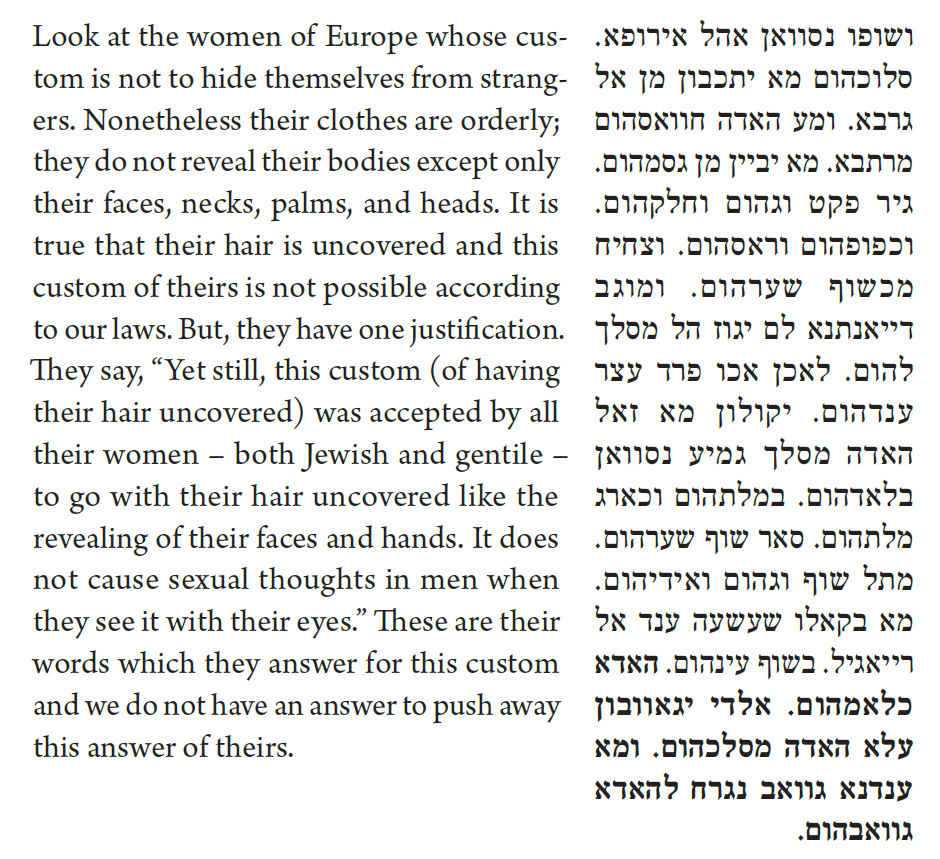
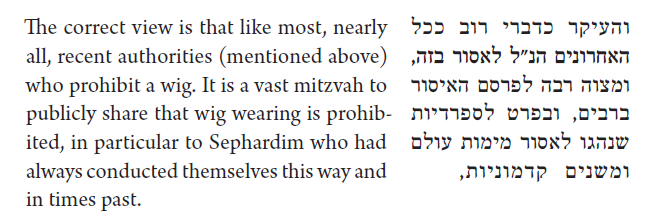
humble opinion, it is forbidden to say this, as certainly Torah study will continue to flourish now in our time; therefore, everyone who is able must rule decisively on each halakhic question posed to him, to the best of his ability, with diligent investigation in the Talmudic sources and the works of halakhic decisors, with a clear understanding and valid proof, even if it is a new application of the halakha which has not been discussed in our Jewish law works."
So, let me ask you this: if you were writing a letter to the typical Madlik listener—someone searching for meaning in Jewish texts and tradition, even outside strict observance—what wisdom would you leave us with?
