


 Save
 Copy
 Add to Collection
 Export to Google Docs
 Share
Welcome
Overview of Parashat Vayera
The Second Parashah of Abraham
Name of the Portion: וירא / Vayera = [The Lord] appeared [to him=to Abraham]
Glance back at last week's portion, Lech Lecha: 17:15-21. First Announcement of the upcoming birth of Isaac.
- 18:1-15. Second Announcement of the upcoming birth of Isaac
- 18:16-33. Announcement of upcoming destruction of Sodom + Abraham's reaction
- 19:1-23. Angels in Sodom. Threat of sexual violence. Saving Lot
- 19:24-35. Destruction of Sodom. Incest between Lot and his daughters
- 20:1-18. Avimelech, king of Gerar, abducts Sarah
- 21:1-21. Birth of Isaac. Banishment of Hagar and Ishmael
- 21:22-34. Covenant with Avimelech
- 22:1-19. The Binding of Isaac
- 22:20-24. 12 sons and 1 granddaughter (=Rebecca) are born to Abraham's brother, Nachor.
What patterns do we see in the foregoing overview?
- Sarah Becomes a Mother (18:1-21:7)
- First Threat to Isaac: Two Mothers Clash protecting their sons (12:8-21)
- Second Threat to Isaac: The Binding of Isaac (21:22-22:19)
- Preparations for the Future: Rebekah's Birth (22:20-24)
Focus of this class: Sodom
- 18:16-33. Announcement of upcoming destruction of Sodom + Abraham's reaction
- 19:1-23. Angels in Sodom. Threat of sexual violence. Saving Lot
Some questions to explore
- What do we already know about Sodom?
- Why does God reveal his plan for Sodom to Abraham?
- How does Abraham respond to this plan?
- Why does God plan to destroy Sodom?
- What happens in Sodom in the parashah?
- What do we learn about Lot?
1. What do we already know about Sodom?
(י) וַיִּשָּׂא־ל֣וֹט אֶת־עֵינָ֗יו וַיַּרְא֙ אֶת־כׇּל־כִּכַּ֣ר הַיַּרְדֵּ֔ן כִּ֥י כֻלָּ֖הּ מַשְׁקֶ֑ה לִפְנֵ֣י ׀ שַׁחֵ֣ת יְהֹוָ֗ה אֶת־סְדֹם֙ וְאֶת־עֲמֹרָ֔ה כְּגַן־יְהֹוָה֙ כְּאֶ֣רֶץ מִצְרַ֔יִם בֹּאֲכָ֖ה צֹֽעַר׃ (יא) וַיִּבְחַר־ל֣וֹ ל֗וֹט אֵ֚ת כׇּל־כִּכַּ֣ר הַיַּרְדֵּ֔ן וַיִּסַּ֥ע ל֖וֹט מִקֶּ֑דֶם וַיִּפָּ֣רְד֔וּ אִ֖ישׁ מֵעַ֥ל אָחִֽיו׃ (יב) אַבְרָ֖ם יָשַׁ֣ב בְּאֶֽרֶץ־כְּנָ֑עַן וְל֗וֹט יָשַׁב֙ בְּעָרֵ֣י הַכִּכָּ֔ר וַיֶּאֱהַ֖ל עַד־סְדֹֽם׃ (יג) וְאַנְשֵׁ֣י סְדֹ֔ם רָעִ֖ים וְחַטָּאִ֑ים לַיהֹוָ֖ה מְאֹֽד׃
(10) Lot looked about him and saw how well watered was the whole plain of the Jordan, all of it—this was before GOD had destroyed Sodom and Gomorrah—all the way to Zoar, like the garden of GOD, like the land of Egypt. (11) So Lot chose for himself the whole plain of the Jordan, and Lot journeyed eastward. Thus they parted from each other; (12) Abram remained in the land of Canaan, while Lot settled in the cities of the Plain, pitching his tents near Sodom. (13) Now the inhabitants of Sodom were very wicked sinners against GOD.
2. Why does God reveal his plans to Abraham?
(טז) וַיָּקֻ֤מוּ מִשָּׁם֙ הָֽאֲנָשִׁ֔ים וַיַּשְׁקִ֖פוּ עַל־פְּנֵ֣י סְדֹ֑ם וְאַ֨בְרָהָ֔ם הֹלֵ֥ךְ עִמָּ֖ם לְשַׁלְּחָֽם׃ (יז) וַֽיהֹוָ֖ה אָמָ֑ר הַֽמְכַסֶּ֤ה אֲנִי֙ מֵֽאַבְרָהָ֔ם אֲשֶׁ֖ר אֲנִ֥י עֹשֶֽׂה׃ (יח) וְאַ֨בְרָהָ֔ם הָי֧וֹ יִֽהְיֶ֛ה לְג֥וֹי גָּד֖וֹל וְעָצ֑וּם וְנִ֨בְרְכוּ־ב֔וֹ כֹּ֖ל גּוֹיֵ֥י הָאָֽרֶץ׃ (יט) כִּ֣י יְדַעְתִּ֗יו לְמַ֩עַן֩ אֲשֶׁ֨ר יְצַוֶּ֜ה אֶת־בָּנָ֤יו וְאֶת־בֵּיתוֹ֙ אַחֲרָ֔יו וְשָֽׁמְרוּ֙ דֶּ֣רֶךְ יְהֹוָ֔ה לַעֲשׂ֥וֹת צְדָקָ֖ה וּמִשְׁפָּ֑ט לְמַ֗עַן הָבִ֤יא יְהֹוָה֙ עַל־אַבְרָהָ֔ם אֵ֥ת אֲשֶׁר־דִּבֶּ֖ר עָלָֽיו׃
(16) The agents [האנשים/ha'anashim/the men] set out from there and looked down toward Sodom, Abraham walking with them to see them off. (17) Now GOD had said, “Shall I hide from Abraham what I am about to do, (18) since Abraham is to become a great and populous nation and all the nations of the earth are to bless themselves by him? (19) For I have singled him out [ידעתיו/ye'da`tiv/I know him], that [למען/lema`an] he may instruct his children and his posterity to keep the way of GOD by doing what is just and right, in order that [למען/lema`an] GOD may bring about for Abraham what has been promised him.”
(ב)למען אשר יצוה. לְפִי שֶׁהוּא מְצַוֶּה אֶת בָּנָיו עָלַי לִשְׁמֹר דְּרָכַי. וְאִם תְּפָרְשֵׁהוּ כְתַרְגּוּמוֹ, יוֹדֵעַ אֲנִי בוֹ שֶׁיְּצַוֶּה אֶת בָּנָיו וְגוֹ', אֵין לְמַעַן נוֹפֵל עַל הַלָּשׁוֹן:
(2) למען אשר יצוה . [DR: Because he instructs his children regarding Me, to guard my ways.]. If, however, you explain it as the Targum, “I know “of” him that he will instruct his sons etc.”, then the word למען [le-ma`an/because] does not fit into the sense.
(ד)למען הביא. כָּךְ הוּא מְצַוֶּה לְבָנָיו, שִׁמְרוּ דֶּרֶך ה' כְּדֵי שֶׁיָּבִיא ה' עַל אַבְרָהָם וְגוֹ'; עַל בֵּית אַבְרָהָם לֹא נֶאֱמַר אֶלָּא עַל אַבְרָהָם, לָמַדְנוּ, כָּל הַמַּעֲמִיד בֵּן צַדִּיק כְּאִלוּ אֵינוֹ מֵת:
(4) למען הביא IN ORDER THAT [THE LORD] MAY BRING — [DR:] Thus he instructs his children saying “Keep the way of the Lord in order that the Lord may bring upon Abraham etc.” Since it does not say here ‘‘upon the house of Abraham”, but upon Abraham himself, we may infer that he who trains up a righteous son is as though he never dies (Genesis Rabbah 49:4).
(ב)דרך ה'. ומה הוא דרכו עשות משפט וצדקה, כי באלה הוא חפץ; וכל מה שקראו חכמים מדות נקרא בלשון המקרא דרכים והעושה חסד משפט וצדקה נקרא הולך בדרכיו שומר דרכיו; והמתבונן במדותיו להשכיל באמתתן ולדעת אותן איך מתנהג עם בריותיו אם לשבט אם לחסד על גוי ועל אדם יחד נקרא יודע את ה' בכל המקרא, והוא המוצא חן בעיני ה'. וכמ"ש משה הודיעני נא דרכיך ואדעך למען אמצא חן, ונאמר על יאשיה אביך הלא וגו' ועשה משפט וצדקה הלא היא הדעת אותי נאם ה', מבואר מזה שא"צ כ"כ בחקירת הנפלאות על יחודו ואמתו, כי רק שמירת דרכיו למי שיודע אותן היא נקראת דעת את ה' (רל"ש):
(2) The way of the Lord: And what is His way? To do what is just and right. For He desires these [things]. And everything that the sages called traits, Scripture calls ways. So one who does kindness, justice and righteousness is called one who walks in His ways, who guards His ways.
And one who contemplates His traits — to comprehend their truth and to know them, how He behaves with His creatures, whether for discipline or kindness, towards a nation or a man alike [alluding to Job 34:29] — is called one who knows God, in all of Scripture. And he is the one who finds favor in the eyes of the Lord. And it is as Moses said, let me please know Your ways in order that I will find favor (Exodus 33:13). And it is stated about Josiah, "did your father not, etc. do judgment and justice [...] was not this to know Me," says the Lord (Jeremiah 22:15-16).
It is clear from this that there is not so much of a need for the investigation of wonders about His Unity and truth, as much as the observance of His ways. For only the observance of His ways by one who knows them is called knowing the Lord.
3. How does Abraham respond to God's plan?
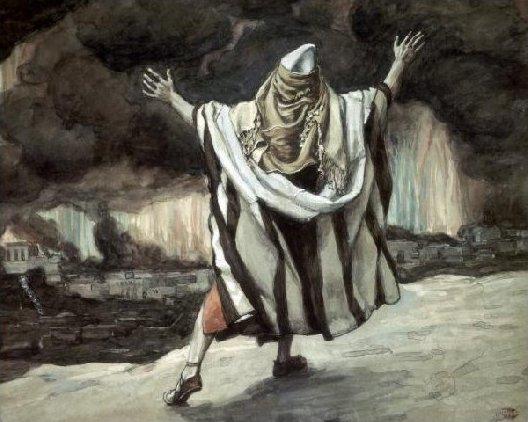
(כב) וַיִּפְנ֤וּ מִשָּׁם֙ הָֽאֲנָשִׁ֔ים וַיֵּלְכ֖וּ סְדֹ֑מָה וְאַ֨בְרָהָ֔ם עוֹדֶ֥נּוּ עֹמֵ֖ד לִפְנֵ֥י יְהֹוָֽה׃ (כג) וַיִּגַּ֥שׁ אַבְרָהָ֖ם וַיֹּאמַ֑ר הַאַ֣ף תִּסְפֶּ֔ה צַדִּ֖יק עִם־רָשָֽׁע׃ (כד) אוּלַ֥י יֵ֛שׁ חֲמִשִּׁ֥ים צַדִּיקִ֖ם בְּת֣וֹךְ הָעִ֑יר הַאַ֤ף תִּסְפֶּה֙ וְלֹא־תִשָּׂ֣א לַמָּק֔וֹם לְמַ֛עַן חֲמִשִּׁ֥ים הַצַּדִּיקִ֖ם אֲשֶׁ֥ר בְּקִרְבָּֽהּ׃ (כה)חָלִ֨לָה לְּךָ֜ מֵעֲשֹׂ֣ת ׀ כַּדָּבָ֣ר הַזֶּ֗ה לְהָמִ֤ית צַדִּיק֙ עִם־רָשָׁ֔ע וְהָיָ֥ה כַצַּדִּ֖יק כָּרָשָׁ֑ע חָלִ֣לָה לָּ֔ךְ הֲשֹׁפֵט֙ כׇּל־הָאָ֔רֶץ לֹ֥א יַעֲשֶׂ֖ה מִשְׁפָּֽט׃ (כו) וַיֹּ֣אמֶר יְהֹוָ֔ה אִם־אֶמְצָ֥א בִסְדֹ֛ם חֲמִשִּׁ֥ים צַדִּיקִ֖ם בְּת֣וֹךְ הָעִ֑יר וְנָשָׂ֥אתִי לְכׇל־הַמָּק֖וֹם בַּעֲבוּרָֽם׃
(22) The agents went on from there to Sodom, while Abraham remained standing before GOD. (23) Abraham came forward and said, “Will You sweep away the innocent along with the guilty? (24) What if there should be fifty innocent within the city; will You then wipe out the place and not forgive it for the sake of the innocent fifty who are in it? (25) Far be it from You to do such a thing, to bring death upon the innocent as well as the guilty, so that innocent and guilty fare alike. Far be it from You! Shall not the Judge of all the earth deal justly?” (26) And GOD answered, “If I find within the city of Sodom fifty innocent ones, I will forgive the whole place for their sake.”
(א)חלילה לך. חֻלִּין הוּא לְךָ, יֹאמְרוּ כָךְ הוּא אֻמָּנוּתוֹ, שׁוֹטֵף הַכֹּל, צֵדִּיקִים וּרְשָׁעִים, כָּךְ עָשִׂיתָ לְדוֹר הַמַּבּוּל וּלְדוֹר הַפַּלָּגָה:
(1) חלילה לך FAR BE IT FROM THEE — It is a profanation (חולין) of Yourself. People will say, “That is what He usually busies Himself with: He destroys every one, righteous and wicked alike” —and thus did You indeed do to the generation of the Flood and to that of the dispersal of nations (Midrash Tanchuma, Vayera 8).
(א) שׁוֹטְט֞וּ בְּחוּצ֣וֹת יְרוּשָׁלַ֗͏ִם וּרְאוּ־נָ֤א וּדְעוּ֙ וּבַקְשׁ֣וּ בִרְחוֹבוֹתֶ֔יהָ אִם־תִּמְצְא֣וּ אִ֔ישׁ אִם־יֵ֛שׁ עֹשֶׂ֥ה מִשְׁפָּ֖ט מְבַקֵּ֣שׁ אֱמוּנָ֑ה וְאֶסְלַ֖ח לָֽהּ׃
(1) Roam the streets of Jerusalem, Search its squares, Look about and take note: You will not find anyone engaged; There is no one who acts justly, Who seeks integrity—That I should pardon her.
(א)וטעם בתוך העיר. שהם יראים את השם בפרהסיא, וכן "שוטטו בחוצות ירושלים" (ירמיה ה א):
(1) [WITHIN THE CITY.] That is, who publicly revere My name. Run ye to and fro through the streets of Jerusalem, And see now, and know, And seek in the broad places thereof, If ye can find a man, If there be any that doeth justly, and seeketh truth; And I will pardon her (Jer. 5:1) is similar.
(5) Finally, equally so, both in Abraham’s request and in God’s reply is the marked stress on בתוך העיר [in the midst of the city]. Abraham does not say אולי יש המשים צדיקים בעיר [What if there should be fifty righteous people in the city] but בתוך העיר [in the midst of the city], the answer even runs בסדום ... בתוך העיר [verse 26: in Sodom...in the midst of the city]. This בתוך העיר ["within the city"] seems to be quite in the same sense as בתוך עמי אנכי יושבת ["In the midst of my people do I live"] (Kings II. IV.13).
The idea of a righteous man in the midst of Sodomite depravity which Abraham visualises, for whose sake the city might be saved, is not one who keeps to his own four walls, in haughty pride of his own superiority gives up the masses and just looks on at their ruinous moral lapses, who thinks he has done quite enough if he saves himself and at most his own household. Yea, such a one Abraham would not class as righteous, he would not consider that he had at all fulfilled the duty which lies on every good man in bad surroundings. The ruin of the masses whom he had long given up, would leave such a man cold, he might even possibly feel a certain smug satisfaction in it.
(6) That is not Abraham’s “righteous man” out of consideration of whom the salvation of the city should be effected. His righteous man is to be found בתוך העיר “in the midst of the city” and in lively connection with everything and everybody. He never leaves off admonishing, teaching, warning, bettering wherever and however he can. He takes everybody and everything to heart, he never despairs, is never tired of trying, however distant the hopes of success may be. Those are the righteous ones whom he presumes must be בתוך העיר [in the midst of the city] who would feel grief and pain at the death of each individual of these thousands, as a gardener for the plant for whose survival he had toiled early and late. For fifty of these he dared to hope the whole might be spared.
(7) At the downfall of Jerusalem — so our sages teach — it was just the “righteous ones” who had kept the Torah from א till ת [from aleph to tav, from A to Z] who were first doomed, just because they had not been בתוך העיר ["in the midst of the city"] and had not occupied themselves with bettering their fellow-citizens (Sabbath 59a. on Ezekiel IX).
4. Why does God plan to destroy Sodom?
(כ) וַיֹּ֣אמֶר יְהֹוָ֔ה זַעֲקַ֛ת סְדֹ֥ם וַעֲמֹרָ֖ה כִּי־רָ֑בָּה וְחַ֨טָּאתָ֔ם כִּ֥י כָבְדָ֖ה מְאֹֽד׃ (כא) אֵֽרְדָה־נָּ֣א וְאֶרְאֶ֔ה הַכְּצַעֲקָתָ֛הּ הַבָּ֥אָה אֵלַ֖י עָשׂ֣וּ ׀ כָּלָ֑ה וְאִם־לֹ֖א אֵדָֽעָה׃
(20) Then GOD said, “The outrage of Sodom and Gomorrah is so great, and their sin so grave! (21) I will go down to see whether they have acted altogether according to the outcry that has reached Me; if not, I will take note.”
(מו) וַאֲחוֹתֵ֨ךְ הַגְּדוֹלָ֤ה שֹׁמְרוֹן֙ הִ֣יא וּבְנוֹתֶ֔יהָ הַיּוֹשֶׁ֖בֶת עַל־שְׂמֹאולֵ֑ךְ וַאֲחוֹתֵ֞ךְ הַקְּטַנָּ֣ה מִמֵּ֗ךְ הַיּוֹשֶׁ֙בֶת֙ מִֽימִינֵ֔ךְ סְדֹ֖ם וּבְנוֹתֶֽיהָ׃ (מז) וְלֹ֤א בְדַרְכֵיהֶן֙ הָלַ֔כְתְּ וּכְתוֹעֲבוֹתֵיהֶ֖ן (עשיתי)[עָשִׂ֑ית] כִּמְעַ֣ט קָ֔ט וַתַּשְׁחִ֥תִי מֵהֵ֖ן בְּכׇל־דְּרָכָֽיִךְ׃ (מח) חַי־אָ֗נִי נְאֻם֙ אֲדֹנָ֣י יֱהֹוִ֔ה אִם־עָֽשְׂתָה֙ סְדֹ֣ם אֲחוֹתֵ֔ךְ הִ֖יא וּבְנוֹתֶ֑יהָ כַּאֲשֶׁ֣ר עָשִׂ֔ית אַ֖תְּ וּבְנוֹתָֽיִךְ׃ (מט) הִנֵּה־זֶ֣ה הָיָ֔ה עֲוֺ֖ן סְדֹ֣ם אֲחוֹתֵ֑ךְ גָּא֨וֹן שִׂבְעַת־לֶ֜חֶם וְשַׁלְוַ֣ת הַשְׁקֵ֗ט הָ֤יָה לָהּ֙ וְלִבְנוֹתֶ֔יהָ וְיַד־עָנִ֥י וְאֶבְי֖וֹן לֹ֥א הֶחֱזִֽיקָה׃ (נ) וַֽתִּגְבְּהֶ֔ינָה וַתַּעֲשֶׂ֥ינָה תוֹעֵבָ֖ה לְפָנָ֑י וָאָסִ֥יר אֶתְהֶ֖ן כַּאֲשֶׁ֥ר רָאִֽיתִי׃ {ס}
(46) Your [=Jerusalem's] elder sister was Samaria, who lived with her daughters to the north of you; your younger sister was Sodom, who lived with her daughters to the south of you. (47) Did you not walk in their ways and practice their abominations? Why, you were almost more corrupt than they in all your ways. (48) As I live—declares the Sovereign GOD—your sister Sodom and her daughters did not do what you and your daughters did. (49) Only this was the sin of your sister Sodom: arrogance! She and her daughters had plenty of bread and untroubled tranquility; yet she did not support the poor and the needy. (50) In their haughtiness, they committed abomination before Me; and so I removed them, as you saw.
(ב)הכצעקתה. שֶׁל מְדִינָה:
(2) הכצעקתה WHETHER ACCORDING TO THE CRY OF IT (literally, of her) — i.e. the cry of the country (מדינה which is feminine).
(3) הבאה אלי עשו WHETHER THEY HAVE DONE [ACCORDING TO THE CRY OF IT] WHICH IS COME UNTO ME —
...
Our Teachers explained the word הכצעקתה “the cry of her”, to refer to the cry of a certain girl whom they put to death in an unnatural manner because she had given food to a poor man, as is explained in the chapter Chelek (Sanhedrin 109b).
(ג) ...אנשי סדום לא נתגאו לפני המקום אלא מתוך הטובה שהשפיע להם שנא' (איוב כ״ח:ה׳) ארץ ממנה יצא לחם וגו' מקום ספיר אבניה [וגו'] נתיב לא ידעו עיט [וגו'] אנשי סדום [אמרו] הואיל ומזון יוצא מארצנו וכסף וזהב [יוצא מארצנו] ואבנים טובות ומרגליות [יוצאות] מארצנו אין אנו צריכין שיבאו בני אדם [עלינו אלא לחסרנו נעמוד ונשבית את הרגל מבינותינו] אמר להם הקב"ה כהטיבותי לכם אתם מבקשים לשכח את הרגל מבינותיכם אני אשכח את הרגל מביניכם ואשכח אתכם מן העולם מהו אומר (שם) פרץ נחל וגו' (איוב י״ב:ו׳) ישליו אהלים לשודדים וגו' וכן הוא אומר (יחזקאל ט״ז:מ״ט) חי אני נאם ה' אלהים אם עשתה סדום אחותך וגו' הנה זה היה עון סדום אחותך גאון שבעת לחם וגו'.
...The people of Sodom became haughty in front of the Place only due to the goodness He showered upon them, as it says: "A land from which bread had issued forth — its place was overturned, as if (consumed by) fire. A place of sapphire were its stones, and dusts of gold were there. (And now it is) a path unknown (i.e., unfrequented) by brigands, and unseen by the falcon's eye, untrodden by the haughty (beasts) and not crossed by the lion (Job 28:5-8).
The people of Sodom [said]: "Since food comes out of our land, and silver and gold, and precious stones and pearls [all come] from our land, we have no need that other people will come to us to diminish [our valuables]. Let us rise and prevent the wayfarers to enter our cities [banot]!"
The Holy One of Blessing said to them: "I gave goodness to you, and you seek to forget the wayfarers from your cities?! I will forget the wayfarers in your midst [beinechem] and I will forget you from the world!" What does it say? "He breaks open a shaft away from where men sojourn; they are forgotten of the foot that pass by; they hang afar from men, they swing to and fro." (Job 28:4) and "The tents of robbers prosper, and they that provoke God are secure, in whatsoever God brings into their hand." (Job 12:6) and so it says "As I live—declares the Lord GOD—your sister Sodom and her daughters did not do what you and your daughters did. Only this was the sin of your sister Sodom: arrogance! She and her daughters had plenty of bread"(Ezekiel 16:48-49).
(י) אַרְבַּע מִדּוֹת בָּאָדָם. הָאוֹמֵר שֶׁלִּי שֶׁלִּי וְשֶׁלְּךָ שֶׁלָּךְ, זוֹ מִדָּה בֵינוֹנִית. וְיֵשׁ אוֹמְרִים, זוֹ מִדַּת סְדוֹם. שֶׁלִּי שֶׁלְּךָ וְשֶׁלְּךָ שֶׁלִּי, עַם הָאָרֶץ. שֶׁלִּי שֶׁלְּךָ וְשֶׁלְּךָ שֶׁלָּךְ, חָסִיד. שֶׁלִּי שֶׁלִּי וְשֶׁלְּךָ שֶׁלִּי, רָשָׁע:
(10) There are four types of character in human beings:
One that says: “mine is mine, and yours is yours”: this is a commonplace type; and some say this is the measure of Sodom.
[One that says:] “mine is yours and yours is mine”: is an unlearned person (am haaretz);
[One that says:] “mine is yours and yours is yours” is a pious person.
[One that says:] “mine is mine, and yours is mine” is a wicked person.
(ח) רַבִּי יְהוּדָה אוֹמֵר: הִכְרִיזוּ בִּסְדוֹם, ״כָּל מִי שֶׁהוּא מַחֲזִיק בְּפַת לֶחֶם עָנִי וְאֶבְיוֹן יִשָּׂרֵף בָּאֵשׁ״. פְּלִיטַת, בִּתּוֹ שֶׁל לוֹט, הָיְתָה נְשׂוּאָה לְאֶחָד מִגְּדוֹלֵי הָעִיר, וְרָאֲתָה עָנִי אֶחָד מְדַקְדֵּק בִּרְחוֹב הָעִיר, וְעָגְמָה נַפְשָׁהּ עָלָיו, שֶׁנֶּאֱמַר: ״עָגְמָה נַפְשִׁי לָאֶבְיוֹן״. מֶה עָשְׂתָה? בְּכָל יוֹם הָיְתָה יוֹצֵאת לִשְׁאֹב, הָיְתָה נוֹתֶנֶת בַּכַּד שֶׁלָּהּ מִכָּל מְזוֹן בֵּיתָהּ וּמַאֲכֶלֶת לְאוֹתוֹ עָנִי. אָמְרוּ אַנְשֵׁי סְדוֹם: ״הֶעָנִי הַזֶּה מֵאַיִן הוּא חַי״? וּכְשֶׁיָּדְעוּ בַּדָּבָר, הוֹצִיאוּ אוֹתָהּ לְהִשָּׂרֵף. אָמְרָה: ״רִבּוֹן כָּל הָעוֹלָמִים, עֲשֵׂה מִשְׁפָּטִי וְדִינִי מֵאַנְשֵׁי סְדוֹם״. וְעָלְתָה צַעֲקָתָהּ לִפְנֵי כִּסֵּא הַכָּבוֹד. בְּאוֹתָהּ שָׁעָה אָמַר הַקָּדוֹשׁ בָּרוּךְ הוּא: ״אֵרְדָה נָּא וְאֶרְאֶה אִם כְּצַעֲקַת הַנַּעֲרָה הַזֹּאת עָשׂוּ אַנְשֵׁי סְדוֹם, אֶהְפֹךְ יְסוֹדוֹתֶיהָ לְמַעְלָה וּפָנֶיהָ לְמַטָּה״, שֶׁנֶּאֱמַר: ״אֵרְדָה נָּא וְאֶרְאֶה הַכְּצַעֲקָתָהּ הַבָּאָה אֵלַי עָשׂוּ כָּלָה״. ״הַכְּצַעֲקָתָם״ אֵין כְּתִיב כָּאן, אֶלָּא ״הַכְּצַעֲקָתָהּ״.
(8) Rabbi Jehudah said: They made a proclamation in Sodom (saying): Everyone who strengthens the hand of the poor or the needy with a loaf of bread shall be burnt by fire. Peleṭith, daughter of Lot, was wedded to one of the magnates of Sodom. She saw a certain very poor man in the street of the city, and her soul was grieved on his account, as it is said, "Was not my soul grieved for the needy?" (Job 30:25). What did she do? Every day when she went out to draw water she put in her bucket all sorts of provisions from her home, and she fed that poor man. The men of Sodom said: How does this poor man live? When they ascertained the facts, they brought her forth to be burnt with fire.
She said: Sovereign of all worlds ! Maintain my right and my cause (at the hands of) the men of Sodom. And her cry ascended before the Throne of Glory. In that hour the Holy One, blessed be He, said: "I will now descend, and I will see" (Gen. 18:21) whether the men of Sodom have done according to the cry of this young woman, I will turn her foundations upwards, and the surface thereof shall be turned downwards, as it is said, "I will now descend, and I will see whether they have done altogether according to her cry, which is come unto me" (ibid.). "According to their cry" is not written here (in the text), only "According to her cry."

5. What occurs in Sodom in the parashah?
(ד) טֶ֘רֶם֮ יִשְׁכָּ֒בוּ֒ וְאַנְשֵׁ֨י הָעִ֜יר אַנְשֵׁ֤י סְדֹם֙ נָסַ֣בּוּ עַל־הַבַּ֔יִת מִנַּ֖עַר וְעַד־זָקֵ֑ן כׇּל־הָעָ֖ם מִקָּצֶֽה׃ (ה) וַיִּקְרְא֤וּ אֶל־לוֹט֙ וַיֹּ֣אמְרוּ ל֔וֹ אַיֵּ֧ה הָאֲנָשִׁ֛ים אֲשֶׁר־בָּ֥אוּ אֵלֶ֖יךָ הַלָּ֑יְלָה הוֹצִיאֵ֣ם אֵלֵ֔ינוּ וְנֵדְעָ֖ה אֹתָֽם׃
(4) They had not yet lain down, when the townsmen, the men of Sodom—young and old, the whole entire body—gathered about the house. (5) And they shouted to Lot and said to him, “Where are the ones who came to you tonight? Bring them out to us, that we may be intimate with them.”
(ט) וַיֹּאמְר֣וּ ׀ גֶּשׁ־הָ֗לְאָה וַיֹּֽאמְרוּ֙ הָאֶחָ֤ד בָּֽא־לָגוּר֙ וַיִּשְׁפֹּ֣ט שָׁפ֔וֹט עַתָּ֕ה נָרַ֥ע לְךָ֖ מֵהֶ֑ם וַיִּפְצְר֨וּ בָאִ֤ישׁ בְּלוֹט֙ מְאֹ֔ד וַֽיִּגְּשׁ֖וּ לִשְׁבֹּ֥ר הַדָּֽלֶת׃
(9) But they said, “Stand back! The fellow,” they said, “came here as an alien, and already he acts the ruler! Now we will deal worse with you than with them.” And they pressed hard against the man—against Lot—and moved forward to break the door.
...(בראשית יט, ג): וַיַּעַשׂ לָהֶם מִשְׁתֶּה, בְּבֵיתוֹ שֶׁל אַבְרָהָם אָבִינוּ הָיָה שֶׁהָיָה מְקַבֵּל אֶת הָעוֹבְרִים וְאֶת הַשָּׁבִים. אָמַר רַבִּי יִצְחָק מַצּוּת גְּדוֹלָה עָמְדָה עַל הַמֶּלַח, דְּהוּא אָמַר לָהּ הַב לְאִלֵּין אַכְסַנְיָא קַלִּיל מֶלַח, וַהֲוַת אָמְרָה לֵיהּ אַף הָדָא סוֹנִיתָא בִּישָׁא אַתּ בָּעֵי מֵילְפָא הָכָא.
“He [=Lot] was intensely persistent towards them [=the angels], and they turned aside to him, and entered his house. He prepared a feast for them; he baked unleavened bread, and they ate” (Genesis 19:3).
...[“He baked unleavened bread [matzot].”] Rabbi Yitzḥak said: A great quarrel [matzut] arose over the salt. He said to her [his wife]: ‘Give these guests a little salt.’ She said to him: ‘Do you seek to promulgate this despicable and evil custom here, as well?’
...אַתָּה מֵלִיץ עַל הָאוֹרְחִין, אֵיךְ מְלָאֲךָ לִבְּךָ? עַל שֶׁאָמַר לָהֶם עַל הַבָּנוֹת, אָמְרוּ לוֹ גש הלאה, לְשׁוֹן נַחַת; וְעַל שֶׁהָיָה מֵלִיץ עַל הָאוֹרְחִים – האחד בא לגור, אָדָם נָכְרִי יְחִידִי אַתָּה בֵינֵינוּ, שֶׁבָּאתָ לָגוּר, וישפוט שפוט, וְנַעֲשֵׂיתָ מוֹכִיחַ אוֹתָנוּ?
(1) ויאמרו גש הלאה AND THEY SAID, STEP BACK —
...They really meant to say to Lot: “You intercede for these strangers; how dare you!” In reply to what he had said to them regarding his daughters they answered: “Get out of the way” — a somewhat gentle expression — whilst with regard to his advocacy for the strangers they retorted, האחד בא לגור THIS MAN CAME TO SOJOURN — You are the only strange man amongst us, for you have come to sojourn here, וישפוט שפוט and you make yourself a Reprover of us!
6. What do we learn about Lot?
(א) וַ֠יָּבֹ֠אוּ שְׁנֵ֨י הַמַּלְאָכִ֤ים סְדֹ֙מָה֙ בָּעֶ֔רֶב וְל֖וֹט יֹשֵׁ֣ב בְּשַֽׁעַר־סְדֹ֑ם וַיַּרְא־לוֹט֙ וַיָּ֣קׇם לִקְרָאתָ֔ם וַיִּשְׁתַּ֥חוּ אַפַּ֖יִם אָֽרְצָה׃ (ב) וַיֹּ֜אמֶר הִנֶּ֣ה נָּא־אֲדֹנַ֗י ס֣וּרוּ נָ֠א אֶל־בֵּ֨ית עַבְדְּכֶ֤ם וְלִ֙ינוּ֙ וְרַחֲצ֣וּ רַגְלֵיכֶ֔ם וְהִשְׁכַּמְתֶּ֖ם וַהֲלַכְתֶּ֣ם לְדַרְכְּכֶ֑ם וַיֹּאמְר֣וּ לֹּ֔א כִּ֥י בָרְח֖וֹב נָלִֽין׃ (ג) וַיִּפְצַר־בָּ֣ם מְאֹ֔ד וַיָּסֻ֣רוּ אֵלָ֔יו וַיָּבֹ֖אוּ אֶל־בֵּית֑וֹ וַיַּ֤עַשׂ לָהֶם֙ מִשְׁתֶּ֔ה וּמַצּ֥וֹת אָפָ֖ה וַיֹּאכֵֽלוּ׃
(1) The two angels arrived in Sodom in the evening, as Lot was sitting in the gate of Sodom. When Lot saw them, he rose to greet them and, bowing low with his face to the ground, (2) he said, “Please, my lords, turn aside to your servant’s house to spend the night, and bathe your feet; then you may be on your way early.” But they said, “No, we will spend the night in the square.” (3) But he urged them strongly, so they turned his way and entered his house. He prepared a feast for them and baked unleavened bread, and they ate.
(ד) טֶ֘רֶם֮ יִשְׁכָּ֒בוּ֒ וְאַנְשֵׁ֨י הָעִ֜יר אַנְשֵׁ֤י סְדֹם֙ נָסַ֣בּוּ עַל־הַבַּ֔יִת מִנַּ֖עַר וְעַד־זָקֵ֑ן כׇּל־הָעָ֖ם מִקָּצֶֽה׃ (ה) וַיִּקְרְא֤וּ אֶל־לוֹט֙ וַיֹּ֣אמְרוּ ל֔וֹ אַיֵּ֧ה הָאֲנָשִׁ֛ים אֲשֶׁר־בָּ֥אוּ אֵלֶ֖יךָ הַלָּ֑יְלָה הוֹצִיאֵ֣ם אֵלֵ֔ינוּ וְנֵדְעָ֖ה אֹתָֽם׃ (ו) וַיֵּצֵ֧א אֲלֵהֶ֛ם ל֖וֹט הַפֶּ֑תְחָה וְהַדֶּ֖לֶת סָגַ֥ר אַחֲרָֽיו׃ (ז) וַיֹּאמַ֑ר אַל־נָ֥א אַחַ֖י תָּרֵֽעוּ׃ (ח) הִנֵּה־נָ֨א לִ֜י שְׁתֵּ֣י בָנ֗וֹת אֲשֶׁ֤ר לֹֽא־יָדְעוּ֙ אִ֔ישׁ אוֹצִֽיאָה־נָּ֤א אֶתְהֶן֙ אֲלֵיכֶ֔ם וַעֲשׂ֣וּ לָהֶ֔ן כַּטּ֖וֹב בְּעֵינֵיכֶ֑ם רַ֠ק לָֽאֲנָשִׁ֤ים הָאֵל֙ אַל־תַּעֲשׂ֣וּ דָבָ֔ר כִּֽי־עַל־כֵּ֥ן בָּ֖אוּ בְּצֵ֥ל קֹרָתִֽי׃
(4) They had not yet lain down, when the townsmen, the men of Sodom—young and old, the whole entire body—gathered about the house. (5) And they shouted to Lot and said to him, “Where are the ones who came to you tonight? Bring them out to us, that we may be intimate with them.” (6) So Lot went out to them to the entrance, shut the door behind him, (7) and said, “I beg you, my friends, do not commit such a wrong. (8) Look, I have two daughters who have not known a man. Let me bring them out to you, and you may do to them as you please; but do not do anything to the others, since they have come under the shelter of my roof.”
(יב) וַיֹּאמְר֨וּ הָאֲנָשִׁ֜ים אֶל־ל֗וֹט עֹ֚ד מִֽי־לְךָ֣ פֹ֔ה חָתָן֙ וּבָנֶ֣יךָ וּבְנֹתֶ֔יךָ וְכֹ֥ל אֲשֶׁר־לְךָ֖ בָּעִ֑יר הוֹצֵ֖א מִן־הַמָּקֽוֹם׃ (יג) כִּֽי־מַשְׁחִתִ֣ים אֲנַ֔חְנוּ אֶת־הַמָּק֖וֹם הַזֶּ֑ה כִּֽי־גָדְלָ֤ה צַעֲקָתָם֙ אֶת־פְּנֵ֣י יְהֹוָ֔ה וַיְשַׁלְּחֵ֥נוּ יְהֹוָ֖ה לְשַׁחֲתָֽהּ׃ (יד) וַיֵּצֵ֨א ל֜וֹט וַיְדַבֵּ֣ר ׀ אֶל־חֲתָנָ֣יו ׀ לֹקְחֵ֣י בְנֹתָ֗יו וַיֹּ֙אמֶר֙ ק֤וּמוּ צְּאוּ֙ מִן־הַמָּק֣וֹם הַזֶּ֔ה כִּֽי־מַשְׁחִ֥ית יְהֹוָ֖ה אֶת־הָעִ֑יר וַיְהִ֥י כִמְצַחֵ֖ק בְּעֵינֵ֥י חֲתָנָֽיו׃ (טו) וּכְמוֹ֙ הַשַּׁ֣חַר עָלָ֔ה וַיָּאִ֥יצוּ הַמַּלְאָכִ֖ים בְּל֣וֹט לֵאמֹ֑ר קוּם֩ קַ֨ח אֶֽת־אִשְׁתְּךָ֜ וְאֶת־שְׁתֵּ֤י בְנֹתֶ֙יךָ֙ הַנִּמְצָאֹ֔ת פֶּן־תִּסָּפֶ֖ה בַּעֲוֺ֥ן הָעִֽיר׃ (טז) וַֽיִּתְמַהְמָ֓הּ ׀ וַיַּחֲזִ֨יקוּ הָאֲנָשִׁ֜ים בְּיָד֣וֹ וּבְיַד־אִשְׁתּ֗וֹ וּבְיַד֙ שְׁתֵּ֣י בְנֹתָ֔יו בְּחֶמְלַ֥ת יְהֹוָ֖ה עָלָ֑יו וַיֹּצִאֻ֥הוּ וַיַּנִּחֻ֖הוּ מִח֥וּץ לָעִֽיר׃
(12) Then the agents said to Lot, “Whom else have you here? In-laws, your sons and daughters [themselves]—anyone else that you have in the city—bring them out of the place. (13) For we are about to destroy this place; because the outcry against them before GOD has become so great that GOD has sent us to destroy it.” (14) So Lot went out and spoke to his in-laws who had married his daughters, and said, “Up, get out of this place, for GOD is about to destroy the city.” But he seemed to his sons-in-law as one who jests (metzachek - compare "Yitzchak"). (15) As dawn broke, the angels urged Lot on, saying, “Up, take your wife and your two remaining daughters, lest you be swept away because of the iniquity of the city.” (16) Still he delayed. So the agents seized his hand, and the hands of his wife and his two daughters—in GOD’s mercy on him—and brought him out and left him outside the city.
(ג) וּמִ"אַ עד – מֵאַחַר שֶׁעוֹשִׂין נְבָלָה כָּזֹאת, מי לך פִּתְחוֹן פֶּה לְלַמֵּד סַנֵּגוֹרְיָא עֲלֵיהֶם? שֶׁכָּל הַלַּיְלָה הָיָה מֵלִיץ עֲלֵיהֶם טוֹבוֹת, קְרִי בֵיהּ מִי לְךָ פֶה:
(3) The Midrashic explanation of עוד YET is: since they have perpetrated so disgraceful an act, can you yet be so bold (more literally, “can you yet open your mouth”) to speak in defence of them? — for the whole night through he had been talking in favor of them.
To obtain this explanation you must read: עוד מי לך פֶּה Have you yet a mouth! (instead of פֹּה here) (Genesis Rabbah 50:5).
(א)ויתמהמה. כְּדֵי לְהַצִּיל אֶת מָמוֹנוֹ:
(1) ויתמהמה BUT HE LINGERED in order to save his property.
Lot offers his daughters instead of the men. His effort to protect the visitors reflects his belief that male rape is worse than female rape, even of his own daughters. | Here, angels will save the women; in a similar incident in Judges 19, another woman is not so fortunate when she and her husband visit and she is offered in lieu of him to a mob. She is repeatedly molested by the mob and dies soon after. The incident triggers a civil war in retaliation.
