Save
 Copy
 Add to Collection
 Export to Google Docs
 Share

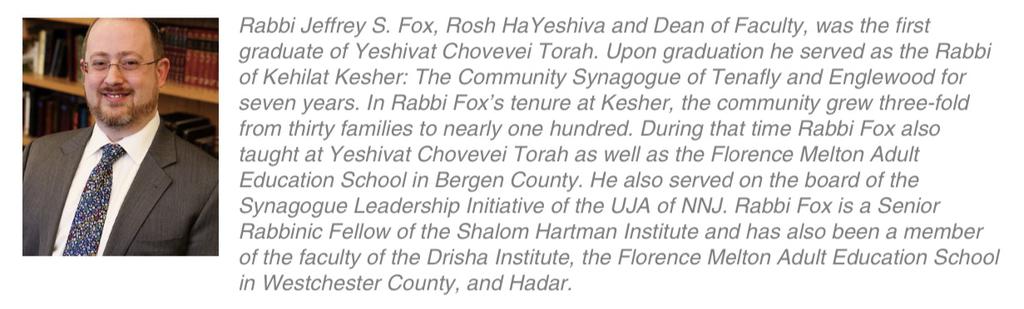
Rabbi Jeffrey Fox
Rosh HaYeshiva
Table of Contents:
- Introduction
- Rabbinics - Chazal
- Sifra Acharei Mot, Parasha 8
- Potential Parallels -- Vayikra Rabba 23:9 & Bavli Chulin 92a/b
- Bavli
- Yevamot 76a
- Shabbat 65a/b
- Tosefta (Lieberman) Sota 5:7, (Bavli Sanhedrin 69b), and Yerushalmi, Gittin Chapter 8:3, page 48c
- Yerushalmi, Yevamot 8:6 (Vilna) page 9d (Venice)
- Summary of Chazal
- Medieval Commentators - Rishonim 1. Mesolelot a) What does this word mean? b) To what act does this word refer? 2. Rav Huna 3. Rambam
- Codes
- Rabbinics - Chazal
- Research
- Analytical Frames
- Decision-Making
- Framing My Potential Conclusion -- Rashbi Emerging from the cave
- Practical Implications
- Psak
Introduction: The process of answering any complex halakhic question unfolds in three stages: research, analysis, and decision-making. While all poskim engage in these three phases, they do not always present the stages as such in writing. This teshuva outlines the process so that the interested reader can gain from the research and analysis, separate and apart from the resulting decisions.
Research: In order to answer a question based on information, the posek must first gather data. This first step must be as objective as possible. Even the process of selecting sources and making decisions about which material is relevant has the potential to reflect individual bias. However, the honest posek can and must gather as much relevant material as possible, through careful research, to the best of his or her (hereafter: “their”) ability.
Please note that the first section of this teshuva serves as an attempt to present the main texts from Chazal until the Shulchan Aruch within a very simple organizational framework. I begin with the three places in rabbinic literature that are directly relevant to the question of gay women and halakha, together with a few other texts from Chazal that are of import. Then I share most of the important material from the period of the Rishonim, focusing especially on the influential approach of Rambam. Finally, I outline the positions of the Tur and the Shulchan Aruch together with some of their key commentaries.
Analysis: Once the sources are organized, the posek must offer an analytical framework. This stage will reflect different modes of thinking. Some poskim seek to unpack material historically. Others are more interested in a set of conceptual questions. Some are driven by the desire to categorize based on authority. These different modes begin to bring individual bias into the discourse.
At this stage, material that may not directly refer to the topic at hand, but that provides different thought models, becomes part of the calculus. Different poskim approach complex questions using a range of methodologies. A simple and stark comparison is evident in the teshuvot of Rav Moshe Feinstein, z”l, and Rav Ovadia Yosef, z”l. Rav Moshe more heavily weighs Rishonim and very rarely quotes an Acharon. To be clear, Rav Moshe has done all of the requisite research, but his style of writing focuses the reader on the earlier material. Rav Ovadia gathers and presents in writing all the relevant sources -- Rishonim and Acharonim -- and only then shares his decision. The contemporary style of writing handbooks that summarize every position under the sun is yet another way to approach complex topics.
It is unfair to claim that Rav Moshe’s style is better than Rav Ovadia’s or that Rav Neuwirth’s handbook approach is better than Rav Moshe’s. They simply represent different reasonable analytic approaches to the world of halakha.
Decision-Making: The final stage, decision-making, is where the posek must be the most creative and where their own biases begin to show most clearly. For example, each posek would factor in the potential for extreme monetary loss differently. When does kavod or oneg Shabbat factor into a decision? What about a strongly held desire to take into account as many different approaches as possible? When is it the job of the posek to justify a minhag of the Jewish People, even when it appears to fly in the face of normative halakha? Can kavod habriyot be invoked in all cases?
This paper is organized around these three stages. My goal is to unpack the relevant material regarding women who engage in physical intimacy with other women in as objective a manner as I can. I then offer a few analytical frameworks for considering these sources. Finally, in the conclusion, I offer my own approach to this question as well.
II. Research
A. Rabbinics - Chazal
There are three main texts from the rabbinic period that serve as the basis for all future deliberations. One appears in the Sifra, and two come from the Talmud Bavli. There is also parallel material of import in the Yerushalmi, the Tosefta, and Vayikra Rabba. I present these texts as simply as possible, and with limited reference to Rishonim. At times, however, the commentary of Rashi serves as a starting point for ease of understanding. As a general rule, I try to read these texts with as limited a scope as possible, allowing others to make expansions.
1) The Sifra - מעשה ארץ מצרים -- Maaseh Eretz Mitzrayim -- The Ways of the Land of Egypt
Sifra, the halakhic Midrash (Tannaim) on Vayikra, plays a significant role in the subsequent unfolding of the question of queer women in halakha. This Midrash does not appear in the Bavli or Yerushalmi but becomes important because of the Rambam’s citation. The Midrash comments on the first three verses of chapter eighteen of Leviticus (an important chapter for this area of halakha in general). There we read:
1) The Lord spoke to Moshe saying, 2) “Speak to the Children of Israel and say to them: I, the Lord, am your God. 3) You shall not copy the practices of the Land of Egypt where you dwelt, or of the Land of Canaan to which I am taking you; nor shall you follow their laws.
The Sifra begins its commentary on these three verses with the end of verse two: אני ה' אלוקיכם -- I, the Lord, am your God. This is a somewhat awkward, seemingly tautological, formulation. The Midrash picks up on this phrase and reintroduces God to us:
(א) [א] "וידבר יקוק אל משה לאמר דבר אל בני ישראל ואמרת אלקם אני יקוק אלקיכם". אני יקוק שאמרתי והיה העולם. אני דיין. אני מלא רחמים. אני דיין להפרע ונאמן לשלם שכר.
(ב) [ב] אני הוא שפרעתי מדור המבול ומאנשי סדום ומן המצריים ועתיד להפרע מכם אם תעשו כמעשיהם.
The Lord spoke to Moshe saying, “Speak to the children of Israel and say to them: I, the Lord, am your God. I am the Lord who spoke and the world came into being. I am the judge. I am full of compassion. I am the judge who collects debts and I can be counted upon to give reward. I am the One who collected the debt from the generation of the Flood, from the people of Sodom, and from the Egyptians. I am also the One who will collect the debt from you in the future if you behave in their ways.
The Midrash presents us a God “full of compassion.” That compassion is expressed in two ways. First, God is prepared to punish those who sin. Second, God can be counted upon to give reward. The linking of both reward and punishment to compassion is part of a rabbinic approach to the divine in our lives. Compassion does not mean simply forgiving everyone for their trespasses, but rather implies giving everyone what they deserve.
Just as God punished the generation of the flood, the people of the city of Sodom, and the Egyptians, God also will punish the Jewish People if we adopt their behaviors. It is not until the end of this section that we learn which behaviors are implied by this line.
The next two piskaot of the Midrash describe just how awful the Egyptians and the Canaanites were. There is no single behavior paradigmatic of their evil ways, but both the Egyptians and the Canaanites are described as “abominable:”
(ג) [ג] מנין שלא היתה אומה באומות שהתעיבו מעשיהם יותר מן המצריים? [...] (ד) [ד] ומנין שלא היתה אומה באומות שהתעיבו מעשיהם יותר מן הכנענים?
From where do we know that there never was a nation in the world whose behavior was as abominable as the Egyptians? From where do we know that there never was a nation in the world whose behavior was as abominable as the Canaanites?
The phrase, “שהתעיבו מעשיהם - whose behavior was abominable” is particularly challenging, as it brings back that difficult word תועבה (to’eva) to describe their depraved nature. The section then concludes with the unpacking of the abominable ways of the Egyptians and the Canaanites:
(ח) [ח] או (ס"א אי) "כמעשה ארץ מצרים וכמעשה ארץ כנען לא תעשו", יכול לא יבנו בנינים ולא יטעו נטיעות כמותם? תלמוד לומר "ובחוקותיהם לא תלכו" – לא אמרתי אלא בחוקים החקוקים להם ולאבותיהם ולאבות אבותיהם. ומה היו עושים? האיש נושא לאיש והאשה לאשה. האיש נושא אשה ובתה, והאשה נישאת לשנים. לכך נאמר "ובחוקותיהם לא תלכו".
The practices of the Land of Egypt… or of the Land of Canaan… you shall not copy. Could it mean that we may not build buildings or plant plantings like them? [No, because] the Torah says nor shall you follow their laws. I [God] did not mention [this prohibition] except regarding their laws (chukim) that have been established for them by their ancestors. And what would they do? A man would marry a man, and a woman would marry a woman, a man would marry a woman and her daughter, and a woman would be married to two [men]. For this reason the Torah says, nor shall you follow their laws.
We will return to the opening straw man argument that Midrash introduces,
"יכול לא יבנו בניינות ולא יטעו נטיעות כמותם -- Could it mean that we may not build buildings or plant plants like them?"
in our concluding analysis. For now, let us make clear which behaviors are considered maaseh Eretz Mitzrayim (the ways of the Land of Egypt). The Sifra lists four kinds of 3 marriages:
- A man to a man
- A woman to a woman
- A man to a woman and her daughter
- A woman to two men.
The first (Leviticus 18:22, 20:13), third (Vayikra 18:17, 20:14), and fourth (Vayikra 18:20, Vayikra 20:10) marriages mentioned by the Midrash are explicitly noted as arayot in the Torah. What does it mean that the rabbis in this text linked the idea of a woman marrying a woman to three other relationships that the Torah forbids? Are we meant to understand that the author of this text believes that the level of prohibition associated with all of these marriages is equal? If that were the case, then it would be clear that the vast majority of the rabbinic tradition has fundamentally rejected the ideas behind this text, as will be explored shortly.
This Midrash sends a clear message regarding the Sifra’s opinion of same-sex נשואין (halakhic marriage). In the rabbinic mind reflected in the Sifra, this type of relationship could only have been possible in the world of the Egyptians and Canaanites. To bring that kind of relationship into the rabbinic world is tantamount to assimilating non-Jewish behaviors.
2) Are Midrash Vayikra Rabba 23:9 & Bavli Chulin 92a/b Parallel?
A passage that appears in Vayikra Rabba must also be explored, as it appears, at first glance, to make a similar claim to the Sifra. In the classic printed editions (Warsaw), the Midrash reads as follows:
(ט) תָּנֵי רַבִּי יִשְׁמָעֵאל (ויקרא יח, ג): כְּמַעֲשֵׂה אֶרֶץ מִצְרַיִם וּכְמַעֲשֵׂה אֶרֶץ כְּנַעַן לֹא תַעֲשׂוּ וגו', וְאִם לָאו (ויקרא יח, ד): אֲנִי יקוק אֱלֹקֵיכֶם. תָּנֵי רַבִּי חִיָּא לָמָּה אֲנִי יקוק כְּתִיב שְׁנֵי פְּעָמִים, אֲנִי הוּא שֶׁפָּרַעְתִּי מִדּוֹר הַמַּבּוּל וּמִסְּדוֹם וּמִמִּצְרַיִם, אֲנִי עָתִיד לִפָּרַע מִמִּי שֶׁהוּא עוֹשֶׂה כְמַעֲשֵׂיהֶם, דּוֹר הַמַּבּוּל נִמְחוּ מִן הָעוֹלָם עַל יְדֵי שֶׁהָיוּ שְׁטוּפִין בִּזְנוּת. אָמַר רַבִּי שִׂמְלָאי כָּל מָקוֹם שֶׁאַתָּה מוֹצֵא זְנוּת אַנְדְּרָלָמוּסְיָא בָּאָה לָעוֹלָם וְהוֹרֶגֶת טוֹבִים וְרָעִים. רַב הוּנָא בְּשֵׁם רַבִּי יוֹסֵי אָמַר דּוֹר הַמַּבּוּל לֹא נִמְחוּ מִן הָעוֹלָם אֶלָּא עַל יְדֵי שֶׁכָּתְבוּ גּוֹמָסִיּוֹת לְזָכָר וְלִנְקֵבָה.
Rebbi Yishmael taught, “Like the ways of the Land of Egypt… like the ways of the Land of Canaan… you shall not do, and if not, I, the Lord, am your God.” Rebbi Chiyya taught, “Why is I, the Lord written two times? I am the One who collected the debt the generation of the Flood, from Sodom, and from Egypt. I [am also the One who] will punish those who will engage in their ways. The generation of the Flood was wiped out because they were drowning in z’nut.” Rebbi Simlai said, “Any place where you find z’nut, destruction comes to the world and kills both good and evil.” Rav Huna said in the name of Rebbi Yossi, “The generation of the flood was wiped out only because they wrote marriage documents for men and women.”
This Aggadic (Amoraic) Midrash contains many of the same elements as the Sifra. It begins with a reintroduction of God as the One who punished the generation of the flood, the people of Sodom, and the Egyptians. We are then reminded that God will punish those people who behave like them. And then we are told that the major sin of the generation of the flood was זנות (z’nut), licentious sexual behavior.
It concludes with a statement by Rav Huna in the name of Rebbi Yossi that claims that the straw that broke the camel’s back leading to the destruction of the generation of the flood was that they wrote גומסיות לזכר ולנקבה. The term גומסיות is a Greek loanword that refers to a marriage document.
The complete phrase, as it appears in the classic printed editions, seems strange. There is nothing problematic about writing a marriage document (ketuba) for a man and a woman. But some have understood this statement to refer to writing a ketuba for two men or two women. If that is the correct understanding, then this phrasing would indeed serve as a parallel to the Sifra.
However, in his critical edition of Vayikra Rabba, Dr. Margulies notes that the correct text is, “they would write marriage documents for men and animals.” In addition, when this Midrash appears in parallel in Bereishit Rabba, the critical edition has the text of “men and animals.”
רַבִּי הוּנָא בְּשֵׁם רַבִּי אָמַר דּוֹר הַמַּבּוּל לֹא נִמּוֹחוּ מִן הָעוֹלָם עַד שֶׁכָּתְבוּ גִּמּוֹמְסִיּוֹת לְזָכָר וְלִבְהֵמָה.
Rav Huna said in the name of Rav Yosef, “The generation of the flood was wiped out only once they wrote marriage documents for men and animals.”
This would explain why not only the people but also almost all animal life had to be wiped off the face of the earth at the time of the flood. Even the animals had been corrupted. It is also important to note that this trope appears in several other Midrashim as זכר ובהמה (male and animals).
Another apparently analogous text appears in the Bavli Chulin 92a/b. There, we find a tradition that even though the b’nei Noach observed only three of the laws they accepted upon themselves, one of the three they maintained was not writing a ketuba for two men.
ואומר אליהם אם טוב בעיניכם הבו שכרי ואם לא חדלו וישקלו את שכרי שלשים כסף [...] עולא אמר אלו שלשים מצות שקבלו עליהם בני נח ואין מקיימין אלא שלשה אחת שאין כותבין כתובה לזכרים ואחת שאין שוקלין בשר המת במקולין ואחת שמכבדין את התורה:
And I said to them: If it is good in your eyes, give me my hire; and if not, refrain. And they weighed for my hire thirty pieces of silver... (Zechariah 11:12). Ula said: These are the thirty mitzvot that the descendants of Noah initially accepted upon themselves, of which they fulfill only three: one (92b) is that they do not write a marriage contract for a wedding between two males, one is that they do not weigh the flesh of the dead in butcher shops and sell it publicly, and one is that they honor the Torah.
As Rashi and Rabbeinu Gershom explain there, even though the b’nei Noach were engaged in sex between men, they were not so brazen as to formalize such a relationship with a document. Though sometimes it is quoted in opposition to two women marrying, this text is irrelevant for our purposes, as it only deals with relationships between men where there is a potential Torah prohibition involved.
Neither the Midrash in Vayikra Rabba nor the Gemara in Chulin 92a/b reflects a Rabbinic approach to queer women. The Midrash is about bestiality, and the gemara is about men, not women. While these texts help us understand the Rabbinic approach to other types of human sexuality, they are not pertinent to the discussion of queer women in particular.
3) Talmud Bavli (Yevamot 76a and Shabbat 65a) -- נשים מסוללות -- Nashim Mesolelot
Two core texts present a rejected position of Rav Huna regarding women who are mesolelot. Rav Huna claims that women who engage in such behavior are forbidden from marrying a priest (or perhaps only from marrying the high priest). The Gemara never clarifies the exact nature of this behavior. However, it must refer to some kind of physical intimacy which could be understood as akin to sex between a man and woman in order for Rav Huna to claim that she may not marry a priest (or the high priest). I begin my presentation of the material with the passage in Yevamot 76a and then move to Shabbat 65a/b.
a) Yevamot 76a
אָמַר רַבָּה בַּר רַב הוּנָא: הַמֵּטִיל מַיִם מִשְּׁתֵּי מְקוֹמוֹת, פָּסוּל. אָמַר רָבָא: לֵית הִלְכְתָא לָא כִּבְרָא וְלָא כְּאַבָּא, בְּרָא — הָא דַּאֲמַרַן.
אַבָּא — דְּאָמַר רַב הוּנָא: נָשִׁים הַמְסוֹלְלוֹת זוֹ בָּזוֹ, פְּסוּלוֹת לַכְּהוּנָּה. וַאֲפִילּוּ לְרַבִּי אֶלְעָזָר, דְּאָמַר: פָּנוּי הַבָּא עַל הַפְּנוּיָה שֶׁלֹּא לְשֵׁם אִישׁוּת עֲשָׂאָהּ זוֹנָה — הָנֵי מִילֵּי אִישׁ, אֲבָל אִשָּׁה פְּרִיצוּתָא בְּעָלְמָא.
Rabba bar Rav Huna said: One who urinates from two places is unfit [as a man with crushed testicles]. Rava said: the halakha is in accordance neither with the son [of Rav Huna] nor with the father [Rav Huna himself]. The son -- that which we just stated.
The father - Rav Huna said: Women who are mesolelot are unfit to marry into the priesthood. And even according to R. Elazar, who said that an unmarried man who has intercourse with an unmarried woman not for the sake of marriage renders her a zona, this applies only to intercourse with a man, but lewd behavior with another woman is mere licentiousness.
This piece comes in the middle of the Gemara’s treatment of the man with crushed testicles who may not marry into the Jewish People (פצוע דכא). Rabba, the son of Rav Huna, claims that a man who urinates out of two holes is considered like a man with crushed testicles and may not marry into the Jewish People. Rava rejects Rabba’s analogy and also tells us that Rav Huna, the father of Rabba, makes a separate claim that is rejected from the halakha as well.
Rav Huna maintains that women who are mesolelot are not permitted to marry priests. Rava says that this is not the accepted halakha. The Gemara elaborates and says that even Rebbi Elazar, who holds that if a single woman has vaginal intercourse with a single man for reasons other than matrimony she is forbidden to marry a priest, argues that the prohibition only applies in the case of heterosexual sex. However, if a woman were to engage in physical intimacy with another woman (mesolelot), that is not even considered sex but "mere licentiousness - פריצותא בעלמא."
It is interesting to note two points regarding this text. First, Rav Huna is introduced to us as a rejected position. Before we even know his position, we learn that it is not the accepted law. Second, the Gemara raises the question of nashim mesolelot within the context of people who may not marry into the majority of the Jewish People. Rav Huna’s stringency, which we reject, is about limiting the people whom this woman might marry.
For simplicity, I am going to offer Rashi’s explanation of mesolelot as a placeholder until we can unpack what becomes a major debate. He says:
המסוללות - דרך תשמיש זכר ונקבה משפשפות נקבתן זו לזו
In the way of intercourse between a male and a female, rubbing their femininity against one another.
For the sake of clarity, Rashi makes a specific claim about the behavior called mesolelot. He thinks that it is similar to intercourse between a man and woman because the two women rub their genitals against one another. We will address the detailed questions of what is included and excluded from mesolelot below.
b) Shabbat 65a
The Mishnah teaches us that young girls are permitted to go out on Shabbat (without an eruv) with strings pulled through their pierced ear holes and it is not considered carrying. The Gemara then introduces three stringencies of the father of the Amora Shmuel. Shmuel was among the first generation of the Amoraim, which means that his father lived toward the tail end of the Tannaic period.
אֲבוּהּ דִּשְׁמוּאֵל לָא שָׁבֵיק לְהוּ לִבְנָתֵיהּ דְּנָפְקָן בְּחוּטִין, וְלָא שָׁבֵיק לְהוּ גָּנְיָאן גַּבֵּי הֲדָדֵי, וְעָבֵיד לְהוּ מִקְוָאוֹת בְּיוֹמֵי נִיסָן וּמַפָּצֵי בְּיוֹמֵי תִשְׁרֵי.
Shmuel’s father did not allow his daughters to go out with strings, and did not allow them to lie next to each other, and he made ritual baths for them in the days of Nisan and mats in the Euphrates River in the days of Tishrei.
The Gemara clarifies the first of Shmuel’s father’s stringencies:
לָא שָׁבֵיק לְהוּ יוֹצְאוֹת בְּחוּטִין, וְהָאֲנַן תְּנַן: הַבָּנוֹת יוֹצְאוֹת בְּחוּטִין! בְּנָתֵיהּ דַּאֲבוּהּ דִּשְׁמוּאֵל דְּצִבְעוֹנִין הֲווֹ.
He did not allow them to go out with strings. Didn’t we learn in the Mishnah that the girls may go out with strings? The strings with which the daughters of Shmuel’s father went out were colorful ones, (and he was concerned that because the strings were beautiful they would come to remove them to show them to others and carry them).
And now the sugya continues to elaborate on our core issue:
לָא שָׁבֵיק לְהוּ גָּנְיָאן גַּבֵּי הֲדָדֵי, לֵימָא מְסַיַּיע לֵיהּ לְרַב הוּנָא. דְּאָמַר רַב הוּנָא: נָשִׁים הַמְסוֹלְלוֹת זוֹ בָּזוֹ פְּסוּלוֹת לַכְּהוּנָּה. לָא — סָבַר כִּי הֵיכִי דְּלָא לֵילְפָן גּוּפָא נוּכְרָאָה.
“He did not allow them to lie next to one another” -- Let us say that this supports Rav Huna, as Rav Huna said: Women who are mesolelot are disqualified from marrying into the priesthood? No, he [Shmuel] thought that they should not learn [the pleasure] of another body...
The sugya is seeking an explanation for Shmuel’s father’s unusual stringency of not allowing his daughters to share a bed. At first, the Gemara thought that perhaps this was because Shmuel’s father held like Rav Huna regarding the damaged marital prospects of nashim mesolelot. The sugya rejects that possibility and explains that the fear was that they would grow accustomed to sleeping with another body and build up a desire for physical intimacy with another. Rashi explains that the concern is that they will feel sexual desire for men.
For our purposes, this text does not add much more information regarding the exact nature of nashim mesolelot but simply reminds us that Rav Huna’s position does not carry the weight of law. It is also interesting to note at this point that the Bavli does not cite the Sifra’s concern of מעשה ארץ מצרים (the ways of the Land of Egypt). The significance of that fact will be explored below.
4) Tosefta (Lieberman) Sotah 5:7, Bavli Sanhedrin 69b, and Yerushalmi Gittin Chapter 8:3, page 48c
Before we move on to the Rishonim, the presentation of the rabbinic material would not be complete without reference to one other text that we find in reference to mesolelet, which may help shed light on its exact meaning. This baraita appears in three places, beginning with the Tosefta.
[המסולסלת] בבנה קטן והערה בה ב"ש [פוסלין] מן הכהונה וב"ה מכשירין.
A woman who is mesalelet with her minor son and he performed the initial stage of intercourse: Beit Shammai say that she is unfit to marry a priest. Beit Hillel say that she is kosher [to marry a priest].
This passage describes an incestuous encounter between a mother and her minor son. The Tosefta claims that if a woman is mesolelet with her minor son and he performed the initial stage of penetration, Beit Shammai and Beit Hillel debate whether this is considered sex such that she is prohibited from marrying a priest. According to Beit Shammai, such an incestuous act is considered sex even though the boy is a minor, and therefore the mother may not marry a priest. Beit Hillel claim that this act is not significant, and she is still considered fit to marry a priest.
Here we see that mesolelet is clearly sexual but does not include penetration. The formulation, "A woman who is mesalelet with her minor son and he performed the initial stage of intercourse - המסללת בבנה קטן והערה בה," assumes two separate acts: מסוללת (mesolelet) and then הערה (the initial stage of intercourse). If mesolelet were considered intercourse, there would be no need to stipulate that this incestuous encounter also included הערה.
This short section from the Tosefta appears in full in the Bavli in Sanhedrin:
ת"ר המסוללת בבנה קטן והערה בה בית שמאי אומרים פסלה מן הכהונה ובית הלל מכשירין
Our Rabbis have taught: A woman who is mesolelet with her minor son and he performed the initial stage of intercourse: Beit Shammai say that she is unfit to marry a priest. Beit Hillel say that she is kosher [to marry a priest].
However, when this appears in the Yerushalmi Gittin 8:3, page 48c, we find an additional clause of the debate between Beit Shammai and Beit Hillel:
תלמוד ירושלמי (ונציה) גיטין פרק ח דף מט טור ג /ה"ג
המסלדת בבנה: בית שמאי פוסלין. ובית הלל מכשירין. שתי נשים שהיו מסלדות זו את זו: בית שמאי פוסלין ובית הלל מכשירין.
Yerushalmi Gittin 8:3, page 49c
A woman who is mesaledet with her [minor] son: Beit Shammai say that she is unfit to marry a priest. Beit Hillel say that she is kosher [to marry a priest]. Two women who are mesaldot with one another: Beit Shammai say that they are unfit to marry a priest. Beit Hillel say that they are kosher [to marry a priest].
It is first important to note that the Yerushalmi uses a slightly different word. Here they use מסלדות, replacing the second ל with a ד. This seems to be related to the word סולד or scald, perhaps through rubbing and creating friction.
In addition to the question of incest with her minor son, the Yerushalmi adds the case of שתי נשים שהיו מסלדות זו את זו. We then find a parallel debate between Beit Shammai and Beit Hillel. Beit Shammai maintains that these two women are now considered unfit to marry priests while Beit Hillel holds that no such limitation is placed on these two women. This may explain why Rava was so confident that we reject Rav Huna’s opinion in Yevamot 76a. It turns out that Rav Huna paskened like Beit Shammai, and Rava was simply codifying the law in accordance with Beit Hillel.
5) Yerushalmi Yevamot 8:6 (Vilna) page 9d (Venice)
There is one final text from the rabbinic period that has indirect relevance to our question. The Yerushalmi in Yevamot treats the androginos question in a way that is different from the Bavli. We will return to the Bavli’s treatment of this question at length below. I here present a short selection from the Yerushalmi, which again assumes the rejection of Rav Huna.
ירושלמי (ונציה) יבמות פרק ח:ו דף ט:ד
קידש אינן חוששין לקידושיו. נתקדש חוששין לקידושיו.
נבעל נפסל מן התרומה בנשים וקשיא. רבי ניחא בר' סבא רבי יונה בשם רב המנונה אפי' מין במינו כל שהוא וקשיא.
אם זכר הוא אין זכר פוסל זכר. אם נקיבה היא אין נקיבה פוסלת נקיבה.
צד זכרותו של זה פוסלת צד נקיבתו של זה.
Yerushalmi Yevamot 8:6, page 9d
If [an androginos] were betrothed [by a man], we are not afraid [that it is an actual] betrothal. If [an androginos] betrothed a woman we are concerned for the betrothal.
If [an androginos] is penetrated, they are considered unfit to eat teruma. And this is difficult. Rebbi Neicha the son of R’ Saba [and] Rebbi Yona in the name of Rav Hamnuna [said], “Even if an androginos has intercourse with another androginos in any way [they are unfit for teruma].” And this is difficult.
If an androginos is considered male - a male does not make a male unfit [by means of sex, to eat teruma]. And if an androginos is considered female - a female does not make a female unfit [by means of sex, to eat teruma].
The male side of this androginos can make unfit the female side of that androginos.
The Yerushalmi here assumes, without question, that if we were to consider an androginos to be female and two androginoses engaged in sexual behavior, they would not prohibit one another from eating teruma. The phrase: "אין נקיבה פוסלת נקיבה -- a female can not make another female unfit" is a clear rejection of Rav Huna.
It is difficult to make a global claim about mesolelot from this small sugya, but we can at least show that Rava and Beit Hillel, as cited above, are consistent with the position that mesolelot is not considered enough of a sexual act to prohibit a woman from marrying a priest or from having the right to eat teruma.
6) Summary of Chazal
What emerges so far from this earliest stage of our research are two distinct concepts: מעשה ארץ מצרים (maaseh Eretz Mitzrayim) and נשים מסוללות (nashim mesolelot). Maaseh Eretz Mitzrayim refers to a set of marriages, including that of two women, that the Sifra viewed as repugnant. Nashim mesolelot includes some sort of intimate sexual behavior between two women. We are also certain that when women are mesolelot with each other they do not, as a result of that behavior, become unfit to marry a priest. This is true according to Beit Hillel and Rava, despite the stringent positions of Beit Shammai and Rav Huna.
It is significant to note that neither the Bavli nor the Yerushalmi refers to the concept of מעשה ארץ מצרים (the ways of the Land of Egypt), even though it would have been a useful answer to explain Shmuel’s father’s stringency of not allowing his daughters to sleep in the same bed. What we can say with confidence is that the rabbis thought that the marriage of two women was immoral and that physical intimacy between two women was not equivalent to sex between a man and a woman.
At no point do we find the word אסור, forbidden, in this context. This forbidding would not be a huge leap to make from the Sifra, but that language is not employed. Based on the flow of the sugya in the Bavli, we conclude that Rava believes that physical intimacy between two women is פריצותא בעלמא, mere licentiousness. This is certainly something to be avoided but does not imply a formal Torah, or even a rabbinic, prohibition.
B) Medieval Commentators - ראשונים
This material is much more diffuse and requires some organizing questions:
- What is the definition of the word מסוללות (mesolelot)?
- Where does the word come from?
- What behavior does this phrase indicate?
- How do we understand Rav Huna’s rejected position?
- What position does the Rambam hold, and how does he get there?
- Mesolelot -- מסוללות
a. What does this word mean?
Rashi, in commenting on the sugya in Sanhedrin, defines the word mesolelot in the following manner:
המסוללת - לשון פריצות:
In the sense of licentiousness (pritzut).
There is very little explanation here, but the implication is that the word refers to a kind of licentious approach to sexuality. פריצות (licentiousness) is the opposite of צניעות (modesty). This comment of Rashi is not meant to be a translation of the word but rather a description of a phenomenon. Rabbi Natan of Rome, in his 11th-century Talmudic dictionary Sefer ha-Aruch, defines the term סולל as "משחקות ומתחככת". The way that I understand these terms is “playing and rubbing,” with a sexual connotation.
The Midrash Sechel Tov, written by Rabbi Menachem ben Shlomo around the middle of the 12th century, offers an interesting etymology of the word. He picks up on an unusual word that appears in the seventh chapter of Exodus in the context of the plague of hail. There, God tells Moshe to go to Pharaoh and give him the message of the coming plague. Within the message that Moshe is meant to relay to Pharaoh, he is supposed to say:
You are still mistolel with my nation and do not send them free.
How exactly to understand the word mistolel is the subject of debate among many of the early Torah commentaries. The Midrash picks up on this strange word and says:
שכל טוב )בובר( שמות פרק ט סימן יז
עודך מסתולל (שמות ט:יז). כלומר עודך מתחכך בעמי. ודומה לדבר בדברי רבותינו נשים המסתוללות זו בזו פסולין לכהונה. אשה המסוללת בבנה קטן, דהיינו המחככת בנה עליה, כלומר כזה המתחכך בכותל כי אתה מתחכך בעמי:
Midrash Sechel Tov (Buber) Exodus 9:17
You are still mistolel - that is to say that you are still rough with my nation. And it is similar to the words of our rabbis [who refer to] women who are mistolelot with one another they are considered unfit to marry a priest. A woman who is mesolelet with her minor son, which means that she is rubbing her son on herself, which is like rubbing against the wall for you are roughing up my nation.
The Rambam, in his commentary on the Mishnah (Sanhedrin 4:7, which we see at length below) asserts that the word mesolelot is related to the word מסלול or path. The Orchot Chaim, which is analyzed in full below, also offers a familiar etymology of the word mesolelot that appeared in the Midrash Sechel Tov:
אורחות חיים הלכות ביאות אסורות פרק כז (בסוף)...
ולשון מסוללות מלשון מסתולל פי' דורכות זו על זו.
Orchot Chaim, Biot Asurot 27 (end)
And the word mesolelot comes from the word mistolel, meaning pressing one another.
The Meiri’s approach focuses on the fact that there is no penetrative act as part of this sexual encounter.
ולשון מסוללות כאדם שדורך במסלה ואינו בוקע בעפרה כלום:
And the language of mesolelot refers to a person who treads on a path and does not penetrate into the dust.
He imagines a man walking along a path (מסלה), remaining on the surface of the earth upon which he walks.
b) To what act does this word refer?
Any attempt to define the precise behavior begins with the comment of Rashi quoted above:
Like the way of intercourse between male and female, they rub their femininity [genitals] against one another. Like hamesolelet with her minor son (Sanhedrin 69b).
Rashi appears to limit the behavior to genital-on-genital stimulation in a manner similar to sexual intercourse between men and women. He thinks that the behavior of the two women is physically similar to the incestuous encounter of mother and son as it appears in Bavli Sanhedrin 69b. This link reflects, in part, that sex is defined in the world of halakha as the penetrative act of a man’s penis into a woman’s vagina or anus. In order to make sense of two women engaging in intimate behavior, Rashi imagines a heterosexual encounter. The Meiri echoes Rashi’s language when he writes.
בית הבחירה למאירי יבמות דף עו עמוד א, נשים המסוללות זו בזו
ר"ל שבאות זו על זו אפילו פלטו זו בזו. אפילו היו חייבי כריתות זו בזו אינן נעשות זונות בכך ליפסל לכהונה. שאין ענינם אלא פריצות בעלמא. ולשון מסוללות כאדם שדורך במסלה ואינו בוקע בעפרה כלום.
Beit HaBechira LaMeiri, Yevamot 76a, s.v. Nashim hamesolelot zo bazo
Meaning to say that they come on top of one another and even secrete into each other. Even if their relationship would have [otherwise been forbidden with the] punishment of divine excision (karet) they are not, by this action, made zonot and [and therefore] unfit to marry a priest. For this matter is just pritzut b’alma (mere licentiousness). And the language of mesolelot is like a man who tramples on a path (mesila) and does not break through the earth at all.
Here the Meiri seems to be aware of the Rivan (below) and the Bavli and offers an interesting etymology of the word. In addition, none of these commentaries has made any reference to the concept of maaseh Eretz Mitzrayim according to the Sifra.
Rashi uses the phrase “דרך תשמיש -- the way of intercourse” while the Meiri says, “שבאות זו על זו -- they come on top of one another.” In addition, the Nimukei Yosef, in his commentary on the Rif in Yevamot (Page 24b in the pagination of the Rif, s.v. Hamesolelot), quotes Rashi’s language in full. The Ritva (Yevamot 76a, s.v. Amar Rav Huna) goes a step father and refers to the possible shearing of the hymen in order to help explain the position of Rav Huna.
The only other definition offered by a Rishon is that of one of Rashi’s sons-in-law, the ריב"ן. Tosafot brings his interpretation:
פירש ריב"ן מטילות שכבת זרע שקבלו מבעליהן
Rivan explained -- they place semen that they received from their husbands [into another woman].
The Rivan’s idea is, on its face, surprising. Why would he assume that there was male seed involved in the intimate sexual behavior of two women? I think this reflects the starting point that sex must include a part of the male body that is penetrating another body. In order to even entertain Rav Huna’s assertion that these women are now unfit to marry a priest, it became necessary to add sperm into the equation.
The next section in the printed Tosafot is a rejection of the Rivan:
ולא יתכן דבפ' במה אשה (שבת דף סה ושם). אמרי' שמואל לא שביק להו לבנתיה דגנין גבי הדדי משום דרב הונא דאמר נשים המסוללות כו'. ומשמע דלא היו נשואות, שהיו עדיין בבית שמואל.
And this [the Rivan’s explanation of mesolelot] cannot be right because in the chapter Bameh Isha (Shabbat 65a) we said that [the father of] Shmuel did not permit his daughters to sleep with one another, because of Rav Huna… And it appears from that section they were not yet married because they were still living in the house of the [the father of] Shmuel.
The Orchot Chaim, at the very end of Hil. Biot Assurot, seems to refer to a kind of combination of Rashi’s and his son-in-law’s approaches with reference to the language of the Yerushalmi. He writes:
אורחות חיים הלכות ביאות אסורות פרק כז (בסוף)
פי' מסוללות: פרש"י מתחככות זו בזו מפני תאות תשמיש. ועולות זו על זו ושופכת זרע להדדי. ולשון מסוללות מלשון מסתולל פי' דורכות זו על זו.
Orchot Chaim, Hil. Biot Assurot, Chapter 27 (at the end)
The meaning of mesolelot: Rashi said, “rubbing against one another because of the desire for sex.” And they come on top of one another and spill seed into one another. And the language of mesolelot comes from mistolel, meaning one presses the other.
The Orchot Chaim’s description assumes genital-to-genital contact, as Rashi’s does, and also presents seed as going from one woman to the other. However, unlike the Rivan, he does not refer to the husband’s seed but rather to the “seed” of the women themselves. He then refers to language as we have it in the Yerushalmi. After we introduce the position of the Rambam below, we will come back to the approach of the Orchot Chaim.
Rashi uses the word "משפשפות" while the Orchot Chaim quotes him with the word "מתחככות". Both of these words imply one body rubbing up against another. When the Tur offers a brief definition of this behavior, he writes:
נשים המסוללות זו בזו פי' מתחברות זו בזו דרך תשמיש
Nashim hamesolelot with one another means that they connect with each other in the way of intercourse.
The idea that the two women are "מתחברות -- connecting" to one another is new. The Tur appears to imagine that the sexual connection that is possible between a man and woman may also be a part of the sexual encounter between two women. By using the phrase "דרך תשמיש", he seems to follow in Rashi’s direction that the act is particularly about genitalia.
The mefaresh on the page of the Shulchan Aruch in Even HaEzer 20:2 explains the behavior of mesolelot as "פי המשחקות ומתחככות" (playing around and rubbing), without reference to any particular part of the body. The Levush offers a more complete description:
לבוש אבן העזר סימן כ סעיף ב
נשים המסוללות זו בזו, פירוש מתחברות זו בזו ומשפשפות נקבתן זו בזו דרך תשמיש זכר ונקבה, אסור.
Levush, Even HaEzer, Siman 20:2
Women who are mesolelot with one another, meaning that they connect to each other and rub their genitals one on another in a way that is similar to male and female sex, is forbidden.
Here we find the language of the Tur (מתחברות) that they are connecting to each other, as well as direct reference to Rashi’s idea of rubbing their genitals together as though they are having intercourse like a man and a woman. As we have seen many times, the definition of their intimate behavior depends on its similarity to, or difference from, intercourse between a man and a woman.
There are two definitions of the physical act offered in the Rishonim. Almost everyone follows Rashi’s lead and assumes that there is genital-on-genital contact in a way that is similar to intercourse between a man and a woman. The Rivan offers a creative read that assumes that there is male seed involved in the behavior. I am not aware of any literature in the Rishonim that addresses the question of חיבוק ונישוק or ביאה דרך איברים between two women.
2) How do we understand Rav Huna’s rejected position?
Gaining insight into Rav Huna will help us to understand some of the broader questions at stake for the Bavli. The problem begins with an apparent contradiction within Rashi’s commentary. When Rav Huna appears in Shabbat, Rashi claims that the two women who are now פסולות לכהן (unfit to marry any priest) are in fact פסולות לכהן גדול (unfit to marry the high priest) only.
פסולות לכהונה - לכהן גדול דלא הויא בתולה שלימה דאע"ג דכהן גדול ביומיה לא הוה הואיל ודרך זנות חשיב ליה לאו אורח ארעא:
s.v. p’sulot lakehuna (unfit to marry a kohen) -- To the high priest, for she is no longer considered a complete virgin. For even though there was no longer a high priest in the days of Rav Huna, since this is considered to be the way of z’nut (illicit sexual behavior), it would not be appropriate [it is not derekh eretz to marry the high priest].
However, when Rashi comments on Rav Huna’s opinion as it appears in Yevamot, he writes:
פסולות לכהונה - משום זנות.
P’sulot l’kehuna - because of z’nut.
If they are indeed considered to be zonot, they are not only forbidden to the high priest but to all priests. The second half of the passage in Tosafot from Yevamot is responding to the contradiction. Tosafot writes:
המסוללות - ולא יתכן נמי הא דפירש בקונטרס התם דפסולות לכהן גדול דאע"ג דכהן גדול לא הוה בימי שמואל מכל מקום מכוער הדבר כיון שנפסלות בכך לכהן גדול דהכא משמע דפסולות אף לכהן הדיוט משום זונה מדקאמר אפילו לרבי אלעזר דאמר פנוי כו' מכלל דרב הונא משום זונה פסיל להו:
s.v. Hamesolelot - And also it cannot be what Rashi explained over there [Shabbat 65]) that they are unfit to marry the high priest. For even though there were no high priests in the time of Shmuel, nevertheless this matter is disgusting since they become unfit to marry the high priest. Because here it sounds like they are unfit even to marry a simple priest because of the status of zona. This appears to be the case from the fact that it [the Gemara] says, “Even according to Rebbi Elazar who prohibits a single [woman]…'' we can infer that Rav Huna also claimed her unfit because of zona [status].
There are two important pieces to take from this short comment of Tosafot. First, Tosafot points out that referring to the stringent position of Rebbi Elazar, who claims that even a single woman who had sex with a single man without matrimonial intent is considered a zona, makes it clear that the question at hand is one of z’nut. Given that we are talking about z’nut, the implication is that she is forbidden to all priests and not only the high priest.
In addition, there is a subtle shift of language in this passage in Tosafot that will be significant in future analysis. Rashi had described the behavior of nashim mesolelot as “לאו אורח ארעא - not the way of the world.” When Tosafot is summarizing Rashi, he says that such actions are to be considered “מכוער - ugly.”
The fact that this behavior is “not the way of the world” or “ugly” leads Rashi to think that the women should be prohibited from the high priest alone. The implication of this statement is that, since she has not engaged in a forbidden sex act, she ought to remain permitted to simple priests. The act of mesolelot is not inherently forbidden but rather comes with a particular halakhic consequence due to considerations that do not apply to simple priests.
Tosafot in Shabbat refers to two possible readings offered by Rashi:
תוספות מסכת שבת דף סה עמוד ב, פסולות לכהונה
פי' לכהונה גדולה דלאו בתולה שלימה היא ואף על גב דכהן גדול בימי שמואל לא הוה היה מחמיר וי"מ משום זונה ופסולות אף לכהן הדיוט. וכן משמע בפ' הערל )יבמות עו.( דקאמר התם "לית הלכתא ]לא כברא ולא[ כאבא )עד דקאמר( ]וקאמר[ ואפילו לרבי אלעזר דאמר פנוי הבא על הפנויה שלא לשם אישות עשאה זונה" כו' משמע דטעמא משום זונה.
Tosafot, Shabbat 65a s.v. p’sulot lakehuna
Meaning that she is prohibited from marrying the high priest because she is no longer considered a full virgin. And even though there was no high priest in the days of Shmuel, he was stringent. And some people explain that she is unfit as a zona and therefore also prohibited even from marrying a simple priest. And so it appears from the Yevamot 76a for it says, “The laws does not accord with the father or the son… and even according to Rebbi Elazar who said that if a single man and single woman have intercourse not for the sake of marriage she is considered a zona” it sounds that the reason is because she is considered a zona.
Here, Tosafot refers to the position of Rashi without attribution and simply says that, even though there were no high priests around in those days, Shmuel’s father chose to be stringent. Then Tosafot refers to the more commonly held position that, according to Rav Huna, she would be prohibited from marrying any priest.
It is interesting to note that when the Tosafot HaRosh in Shabbat quotes this same debate, he names Rashi and gives him a particular interlocutor:
תוספות הרא"ש שבת דף סה עמוד ב נשים המסוללות זו בזו פסולות לכהונה
פרש"י לכהן גדול דלא הויא בתולה שלימה. וריב"א פי' אפי' לכהן הדיוט פסולה משום זונה.
Tosafot HaRosh, Shabbat 65b, s.v. Nashim hamesolelot zo bazo
Rashi explained that she is forbidden [only] to the high priest for she is [no longer considered] a complete virgin. And the Riva explained that [she is unfit from marrying] even a simple priest because she is considered a zona.
Here Rashi is presented as debating with one of the earliest named Ba’alei HaTosafot, Rabbi Yitzchak ben Asher HaLevi, who lived in the 11th century in Speyer. The Riva, like the majority of those who came after him, held that, according to Rav Huna, nashim mesolelot are meant to be unfit to all priests and not just the high priest.
The Ramban, Rashba, Ran, and Ritva (Shabbat 65a s.v. Nashim hamesolelot) are all puzzled by Rashi’s limitation of the פסול only to the high priest. All four are bothered first by the language of the sugya here in Shabbat. If Rav Huna meant that these women would be unfit only for the high priest, he should have said so. Simply saying "פסולות לכהונה" implies forbiddenness to all priests. In addition, like Tosafot, they point out that the sugya in Yevamot refers to Rebbi Elazar, implying that the status in conversation is one of zona and not be’ula.
The Ritva and Ramban both conclude that Rav Huna does not limit his chumra of nashim mesolelot only to the parameters of Rebbi Elazar, who maintains that a single woman who has sex with a single man is prohibited from marrying a priest. Rather, even according to the Chakhamim, who reject Rebbi Elazar’s stringency, Rav Huna would still maintain that nashim mesolelot are prohibited from marrying any priest. Rav Huna, therefore, must consider the behavior of mesolelot as close enough to halakhic sex that those who engage in it are considered zonot.
They go on to clarify that Rava, who rejects Rav Huna, holds that even according to Rebbi Elazar, nashim mesolelot are not prohibited from marrying any priest because we cannot claim that halakhic sex took place between two women. For Rava, who represents the Gemara’s conclusion, the act of mesolelot is not itself inherently prohibited.
3) What did the Rambam decide, and how did he get there?
In a lengthy comment on the Mishnah in Sanhedrin 7:4, Rambam offers the following introduction:
והנה הגיע לי מקום שאזכיר בו עקרים גדולים מאד מעניני העריות ואע"פ שהן מפוזרות במקומות מן המשנה וכבר בארנו כל עיקר מהם במקומו אבל אקבץ אותם בכאן כדי שיהיו כולם מצויין במקום אחד למי שירצה לראות אותם בו גם אזכור בו ענינים שלא נתבארו במשנה להשלים הכוונה כולה
And behold this is a place for me to mention many general rules regarding the topic of arayot (forbidden sexual relationships). And even though they are spread in many places around the Mishnah and we have already explained each rule in its place, nonetheless I have gathered them all together here in order that they can all be in one place for someone who wants to look into them. And I will also mention matters that have not been clarified in the Mishnah so that the topic can be complete...
After working through the basic Torah categories of forbidden sexual behavior, he says:
...וכן אותו המעשה המגונה הקורה בין הנשים ששוכבות זו את זו, הוא מעשה מתועב, אבל אין בו עונש לא מן התורה ולא מדרבנן. ואין שום אחת מהן נקראת זונה. ואינה נאסרת על בעלה. ואינה נאסרת לכהן. וזה הוא שקוראים אותו חכמים נשים המסוללות זו בזו. והוא נגזר מן מסלול שהוא הדרך. ואף על פי שאין בזה עונש כבר מנו מעשה זה מכלל תועבות המצריים ואמרו בפירוש מעשה ארץ מצרים. מה היו עושין? איש נושא איש, ואשה נושאה אשה, ואשה נשאת לשני אנשים.
And also that offensive act that happens between women who lie one with the other - and it is an abominable act - but it has no punishment from the Torah or from the Rabbis. And neither of them is called a zona. And she is not forbidden on her husband. And she is not forbidden from marrying a priest. And this is what the Sages call nashim mesolelot. And it is from the root maslool, which means path. And even though this has no punishment, the rabbis have already counted this among the abominable ways of the Egyptians. And they have clearly called this maaseh Eretz Mitzrayim. And what would they do? A man would marry a man, a woman would marry a woman, and a woman would be married to two men.
Here Rambam refers to sexual behavior between two women as “מגונה - offensive” and “מתועב -- abominable” and makes a direct link between the Bavli’s language of נשים מסוללות (nashim mesolelot) and מעשה ארץ מצרים (maaseh Eretz Mitzrayim). He also makes clear that this kind of sexual intimacy does not carry with it a punishment -- either from the Torah or from the rabbis -- and that neither woman is considered a zona, nor is either prohibited from being with her husband or from marrying a priest. It is important to note that the word אסור (forbidden) is absent from this paragraph.
In his ordering and counting of the mitzvot, Rambam also refers to this same kind of behavior. In negative mitzvah number 353, he begins:
והמצוה השנ"ג היא שהזהירנו מקרוב לאחת מכל אלו העריות ואפילו בלא ביאה. כגון חבוק ונשיקה והדומה להם מפעולות הזנות.
And the 353rd mitzvah is that we have been warned to not [even] come close to any one of the arayot, even without intercourse. [This would include things] like hugging and kissing and things that are similar to that...
He then goes on to quote the Midrash from the Sifra:
ולשון ספרא יכול לא יבנו בתים ולא יטעו כרמים כמותם? תלמוד לומר ובחוקותיהם לא תלכו. לא אמרתי אלא בחוקים החקוקים להם ולאבותיהם. ושם אמרו מה היו עושים האיש נושא איש ואשה נושאה אשה ואשה נשאת לשני אנשים. הנה כבר התבאר כי אלו הלאוין שהם כמעשה ארץ מצרים וכמעשה ארץ כנען לא תעשו הם אזהרה מבעילת כל העריות על הכלל.
And the language of the Sifra: “Could it mean that we may not build buildings or plant plantings like them? [No, because] the Torah says nor shall you follow their laws. I [God] did not mention [this prohibition] except regarding their laws (chukim) that have been established for them by their ancestors.” And they continued there and said, “And what would they do? A man would marry a man, and a woman would marry a woman,and a woman would be married to two [men].” And behold it has already been explained that these negative prohibitions -- which are k’maaseh Eretz Mitzrayim u’k’maaseh Eretz Canaan lo taasu -- they are a warning against intercourse with all arayot in general.
Here the prohibition of כמעשה ארץ מצרים וכמעשה ארץ כנען (maaseh Eretz Mitzrayim) takes on additional significance. This concept is no longer limited to four particular marriages but comes to include a general prohibition of all activities that have any trace of arayot. While Rambam raises the Sifra’s prohibition for a woman to marry another woman, here nashim mesolelot is not mentioned at all.
The Rambam clarifies the full combination and explicit prohibition only in the Mishneh Torah:
(ח) נָשִׁים הַמְסוֹלָלוֹת זוֹ בָּזוֹ אָסוּר וּמִמַּעֲשֵׂה מִצְרַיִם הוּא שֶׁהֻזְהַרְנוּ עָלָיו שֶׁנֶּאֱמַר (ויקרא יח ג) "כְּמַעֲשֵׂה אֶרֶץ מִצְרַיִם לֹא תַעֲשׂוּ". אָמְרוּ חֲכָמִים מֶה הָיוּ עוֹשִׂים אִישׁ נוֹשֵׂא אִישׁ וְאִשָּׁה נוֹשֵׂא אִשָּׁה. וְאִשָּׁה נִשֵּׂאת לִשְׁנֵי אֲנָשִׁים. אַף עַל פִּי שֶׁמַּעֲשֶׂה זֶה אָסוּר אֵין מַלְקִין עָלָיו. שֶׁאֵין לוֹ לָאו מְיֻחָד וַהֲרֵי אֵין שָׁם בִּיאָה כְּלָל. לְפִיכָךְ אֵין נֶאֱסָרוֹת לִכְהֻנָּה מִשּׁוּם זְנוּת וְלֹא תֵּאָסֵר אִשָּׁה עַל בַּעְלָהּ בָּזֶה שֶׁאֵין כָּאן זְנוּת. וְרָאוּי לְהַכּוֹתָן מַכַּת מַרְדּוּת הוֹאִיל וְעָשׂוּ אִסּוּר. וְיֵשׁ לָאִישׁ לְהַקְפִּיד עַל אִשְׁתּוֹ מִדָּבָר זֶה וּמוֹנֵעַ הַנָּשִׁים הַיְדוּעוֹת בְּכָךְ מִלְּהִכָּנֵס לָהּ וּמִלָּצֵאת הִיא אֲלֵיהֶן:
Women who are mesolelot one with another -- This is forbidden from maaseh Eretz Mitzrayim that we have been warned about, as it is written, “Do not copy the practices of the Land of Egypt. The Chakhamim asked, “What would they do? A man would marry a man, and a woman would marry a woman, and a woman would be married to two [men].” And even though it is forbidden, the court does not give lashes for it, because there is no specific prohibition and there is no actual intercourse. Therefore she is not prohibited from marrying a priest due to z’nut and she is not prohibited from [being with] her husband [because] of this, because there is no [issue of] z’nut here. And it is appropriate to hit them with blows of rebellion, since they have committed a violation. And a man should be careful to keep his wife away from this matter. And he should stop women who are known to engage in this behavior from coming into his home and keep his wife away from going out to them.
In the Mishneh Torah, Rambam works with the combination of נשים מסוללות and מעשה ארץ מצרים that he originated in his commentary on the Mishnah in Sanhedrin, and he adds the missing language of אסור (forbidden) from his own מנין המצוות (counting of the commandments). This formulation sets the stage for nearly every subsequent code of Jewish law.
There is an interesting progression in the Rambam’s works from his commentary on the Mishnah to his Mishneh Torah. In his comment on Sanhedrin 7:4, he describes the physical act of mesolelot as “שוכבות זו את זו -- lying one with another.” He makes clear about this kind of behavior that there is no prohibition, punishment or consequence. He concludes the paragraph with a reference to the Sifra and maaseh Eretz Mitzrayim as types of relationships that the rabbis despised.
In his Sefer HaMitzvot, he refers to the idea of maaseh Eretz Mitzrayim but does not mention the concept of mesolelot even once. In the Mishneh Torah, he goes one step further and defines nashim mesolelot as derivative of maaseh Eretz Mitzrayim:
נשים המסוללות זו בזו אסור וממעשה מצרים הוא שהוזהרנו עליו.
Nashim hamesolelot are forbidden, and it is from maaseh Eretz Mitzrayim, which we have been forewarned about.
The Rambam does something quite radical. He takes a concept from the Bavli (nashim mesolelot) and subsumes it under a concept from the Sifra (maaseh Eretz Mitzrayim). This is an unusual way to read the corpus of rabbinic literature. He is the first -- and almost the only -- Rishon to make such a claim. While one must always contend with the Rambam because of his stature, it is important to appreciate the ways in which this is a departure from the Bavli as the authoritative text of halakha.
The Magid Mishneh, in explaining Rambam, points out that he combines the Bavli and the Sifra. While the Midrash referred to four marriage relationships as maaseh Eretz Mitzrayim, Rambam quotes this Midrash here only regarding two women. He does not mention this idea of the Sifra in any other context.
The Magid Mishneh concludes by quoting Rashi and Rivan:
מגיד משנה הלכות איסורי ביאה פרק כא הלכה ח
ופי' ריב"ן ורש"י ז"ל מסוללות שדיין שכבת זרע להדדי. ודין המכת מרדות שכתב רבינו פשוט הוא.
Magid Mishneh Rambam, Commentary on the Mishnah, Sanhedrin 7:4
And the Rivan and Rashi, of blessed memory, explained mesolelot as one [placing] semen in the other. And the judgment of Rabbinic lashes that Rambam wrote is clear.
C) Tur / Shulchan Aruch -- טור ושו"ע
Rabbeinu Yaakov ben Asher (d. 1343) in his Tur, Even HaEzer, Hil. Ishut Number 20, quotes the Rambam almost in full. The only substantive addition that he makes is his attempt to define the particular act of mesolelot. He writes:
It is strange that he quotes Rashi and Rivan together, as though Rashi agrees with Rivan’s approach. One can not overstate the influence of the Rambam in this area of halakha in particular as well as in the general flow of the history of halakha. His creative reading of the Bavli in the light of the Sifra sets the tone for many subsequent poskim. However, his was a minority position in the Rishonim and is simply not the only -- or frankly, the best -- way to read the Bavli.
נשים המסוללות זו בזו פי' מתחברות זו בזו דרך תשמיש אסור וזה מעשה ארץ מצרים שהוזהרנו עליו שנאמר כמעשה ארץ מצרים אשר ישבתם בה לא תעשו ואמרו חכמים ז"ל מה היו עושים? איש נושא איש ואשה נושאת אשה ואשה נשאת לשני אנשים. ואף על פי שהוא אסור אין לוקין עליו ואין האשה נאסרת על בעלה בכך אבל ראוי לנדותה ולהכותה מכת מרדות הואיל ועשו איסור. ויש לאיש להקפיד על אשתו בדבר זה ולמנוע הנשים הידועות בכך מליכנס לה ושלא לצאת היא אליהן.
Women who are mesolelot one with another - meaning they connect with one another through intercourse -- [it is] forbidden, and this is maaseh Eretz Mitzrayim that we have been warned about, as it is written, “Do not copy the practices of the Land of Egypt where you dwelled.” And the Chakhamim, of blessed memory, said, “What would they do? A man would marry a man, and a woman would marry a woman, and a woman would be married to two men.” And even though it is forbidden, [the court] does not give lashes for it, and the woman is not prohibited from [being with] her husband [because] of this, and it is appropriate to seclude her and to hit her blows of rebellion, since they have committed a violation. And a man should be careful to keep his wife away from this matter. And he should stop women who are known to engage in this behavior from coming into his home and keep his wife away from going out to them.
Before we move to the Shulchan Aruch, let us take a look at the commentary of Rabbi Yehoshua Falk (Poland, d. 1614) known as the Prisha. He is bothered by the formulation of the Tur, which is a restatement of the Rambam. It is significant that his approach can be understood as a reading of Rambam as well. He first points out that the cases of the Sifra can all be viewed as a kind of rejection of the obligation to be fruitful and multiply. In Siman 20 in Even HaEzer (note 11):
פרישה אבן העזר הלכות אישות סימן כ אות יא
(יא) מה היו עושין איש נושא איש כו' ואשה ניסת לשני אנשים. נראה דרצה לומר דכל מעשיהם שלא לקיים פריה ורביה היו עושים. אך כל אחד למלאות תאותם שכמו שהאיש הנושא איש, ואשה אשה אינו מוליד כן אשה אחת ניסת לשני אנשים לא לפריה ורביה היו עושים כי מי שיודע שלא על שמו יקרא הזרע אינו מוליד כמעשה ער ואונן ובודאי היו משחיתים את זרעם דש מבפנים וזורה מבחוץ לכך נקטינהו בהדדי.
Prisha, Even HaEzer, Laws of Marriage, Siman 20:11
And what would they do? A man would marry a man… and a woman would be married to two men. It seems that he wanted to say that they did all their deeds in order to not fulfill being fruitful and multiplying. But they were all to meet their sexual appetites. For just as when a man marries a man or woman marries a woman they do not procreate, likewise one woman who is married to two men, they were not doing it for the purpose of being fruitful and multiplying, because anyone who knows that the offspring will not bear his name will not procreate, [he would] behave like Er and Onen and for sure would spill their seed through masturbation.
Here the Prisha understands the marriages that are considered maaseh Eretz Mitzrayim, including those of two women, as an attempt to gain sexual gratification without procreating. His assertion is that none of these relationships intend to build families by having children. All four marriages can almost be reduced to the prohibition of masturbation like Er and Onan.
His next claim is that the verse from Vayikra, which we originally read as referring to all four kinds of marriages, is actually only meant to categorize those relationships that are already arayot. In this section, he is treating the relationship of two women as different from the three others noted in the Sifra.
והיותר נראה משום דכתב דנשים המסוללות זו בזו אסור דמשמע איסור בעלמא. וקשה ליה כיון דנפקא מקרא הוה ליה למימר שהוא דאורייתא? לכך סתם וכתב דיש לומר דהקרא איירי במה שהיו עושין עוד - שאשה אחת נשאת לשני אנשים דהוא ערוה גמורה לישראל.
And what appears more [logical[ to me is that when he wrote that nashim hameseolot are prohibited that it sounds like a general prohibition. And this is difficult, for if it is learned from a verse it ought to be a biblical prohibition? Therefore he wrote simply that verse refers to the other marriages - a woman marrying two men, because this is a complete erva for a Jew.
This approach to the Tur and the Rambam severely limits the prohibition of maaseh Eretz Mitzrayim and leaves only the concern of mesolelot when dealing with two women.
Rabbi Yosef Karo, in his codification of this law, assumes the Rambam’s connection between nashim mesolelot and maaseh Eretz Mitzrayim. He also understands that mesolelot is forbidden as a kind of subset of maaseh Eretz Mitzrayim.
(ב) נשים המסוללות (פי' המשחקות ומתחככות זו בזו) אסור ממעשה ארץ מצרים שהוזהרנו עליו וראוי להכותן מכת מרדות הואיל ועשו איסור ויש לאיש להקפיד על אשתו מדבר זה ומונע הנשים הידועות בכך מלהכנס לה ומלצאת היא אליהן:
Women who are mesolelot (meaning: playing and rubbing) one with another - This is forbidden from maaseh Eretz Mitzrayim (Vayikra 18:3) that we have been warned about. And it is appropriate to lash them with whips of rebellion, since they have committed a violation. And a man should be careful to keep his wife away from this matter. And he should stop women who are known to engage in this behavior from coming into his home and keep his wife away from going out to them.
It is significant to simply point out at this stage that for the Shulchan Aruch, as well as the Rambam, the prohibition is stated and placed into the context of a marriage. They advise men to “keep their wives away from” the other women who are known to engage in this kind of behavior.
The Beit Shmuel in his short comment (אות יא) points out that, even though there is a prohibition from engaging in this behavior, doing so does not make this woman unfit to marry a priest. In addition, the Gra (אות ב) quotes the Sifra in full.
These texts demonstrate that two main approaches emerge from the Rishonim and the codes. The minority position is that of the Rambam, who subsumes nashim mesolelot under maaseh Eretz Mitzrayim. The majority voice among the Rishonim, as represented by Rashi, Tosafot, Ramban, Rashba, Ritva, Ran, and Nimukei Yosef, simply never mentions the Sifra or the Rambam. While it is difficult to prove that all those Rishonim actively reject the Rambam, it does seem clear that they offer an alternative view of the sugya that can stand on its own.
II. Analytical Frames
1. Returning to Rav Huna
A substantial cadre of Acharonim are interested in unpacking the more stringent view of Rav Huna, particularly as understood by Rashi and the Rivan. As they work their way through the Gemara and Rishonim, they build two competing approaches to mesolelot: Rambam versus everyone else. What will ultimately emerge from these mekorot is an approach that understands mesolelot as referring to marital betrayal.
a. Aruch LaNer (d. 1871, Germany)
Rabbi Yaakov Ettlinger, in his essential commentary on the Talmud, Aruch LaNer, on Yevamot (76a) begins his analysis with the unusual approach of the Rivan that mesolelot refers to a woman moving sperm from her husband to another woman. He explains that “certainly the idea of z’nut cannot refer to [just] a woman unless it were similar to male intercourse, like when there is the presence of sperm.” He goes on to say that perhaps we can understand this Rivan based on the unique position of Rashi that nashim mesolelot are forbidden only to the high priest.
The Aruch LaNer notes that Tosafot were bothered by this approach to Rashi, and then he says:
ערוך לנר מסכת יבמות דף עו עמוד א, בד"ה המסוללת
וביותר תמוה דרש"י סותר דברי עצמו דהכא פי' משום זונה והתם משום בעולה
Aruch laNer, Yevamot 76a (commenting on Tosafot, s.v. Hamesolelot) -
And it is even more of a wonderment as Rashi contradicted his own words. Here [Yevamot] he explained [Rav Huna’s stringency] because of zona and there [Shabbat] because of be’ula.
Here he explicitly points out the internal contradiction in Rashi that we noted above. He then posits that perhaps both Rashi and the Rivan were bothered by the question of the Rashba (in Shabbat) and the Ritva (in Yevamot) regarding the relationship between Rav Huna and Rebbi Elazar. The answer that Rav Ettlinger offers is deeply insightful on a human level and a creative approach to the textual ambiguity at play:
ערוך לנר יבמות דף עו עמוד א
ולכן סבירא להו לרש"י והריב"ן דבאמת לא פסיל רב הונא רק בנשואות דהוי כזנות ממש דפוסל משום דהוי כבא על אשת איש דנפסלה לכהונה.
Aruch LaNer, Yevamot 76a
Therefore both Rashi and the Rivan think that Rav Huna did not really declare [nashim mesolelot] unfit [for marrying a priest] except in the case of married women, when it is like real z’nut. For then he declared [them] unfit because it is like a woman who has relations with a married woman who becomes unfit for the priesthood.
This approach to Rav Huna, that he is talking about a woman married to a man having an affair with another woman, is difficult to sustain in the context of the Gemara in Shabbat about Shmuel’s father. In that context, the Gemara at first thought that Rav Huna could be a support to Shmuel’s father -- but that case must be one of unmarried women. The Aruch LaNer explains that this is indeed a problem according to the הו"א (what the Gemara may have originally thought), but that it makes perfect sense according to the conclusion that, in fact, Rav Huna cannot be seen as a support to Shmuel’s father:
ערוך לנר מסכת יבמות דף עו עמוד א
אבל לפי מה דמסיק דלא משום דרב הונא הוי שפיר מסקינן דטעמא משום זונה דאשת איש ולא שייך רק בנשואות או משום מטילות ש"ז דלא שייך ג"כ רק בנשואות
Aruch LaNer, Yevamot 76a
But according to the conclusion [of the Gemara in Shabbat] that [Shmuel’s father was not stringent because of] Rav Huna, it is appropriate to conclude that it was because of zona like a married woman, which only applies to women who are married or because they are sharing semen -- which also only applies to married women.
The claim of the Aruch LaNer is that Rav Huna’s opposition to mesolelot is based on the assumption that at least one of these women is married to a man and basically having an affair. While this relationship may not technically be adultery because we are only talking about two women and, in the Aruch LaNer’s framework, there is no such thing as intercourse without the presence of a man, this woman has nonetheless violated the kedusha of her marriage. Rav Huna therefore goes so far as to say that this kind of marital betrayal makes a woman unfit to marry a priest.
Rava, however, rejects Rav Huna’s claim and says that since we are, at the end of the day, talking about a case that can never be considered intercourse, this ought to be considered “mere licentiousness.” If both Rav Huna AND Rava are talking about a woman who is married to a man and is having an affair with another woman, then it turns out that the Gemara says absolutely nothing about two single women engaging in intimate physical behavior.
Rabbi Yaakov Ettlinger is reading the two sugyot about mesolelot (Shabbat 65a and Yevamot 76a) according to Rashi, Rivan, Ramban, Rashba, and Ritva and at no point makes mention of Rambam or maaseh Eretz Mitzrayim. His creative reading comes from a question that bothered many of these Rishonim, and he solves the problem with a single insight: that one of the women has to be married to a man for the opinion of Rav Huna (or perhaps even Rava) to apply.
b. Ishei Yisrael (d. 1889, Slotzk)
A similar idea appears in the commentary of Rabbi Yisrael Isser ben Mordechai Isserlein. He writes in his commentary on Shabbat 65a, אשי ישראל, as follows:
אשי ישראל חלק ראשון מסכת שבת דף ס"ה ע"א
ולולא דמיסתפינא הייתי אומר דרב הונא לא מייר כלל בדין פנויה אלא באשת איש. ועריות בבנתיה דשמואל, דאלו ע"י זכר היו חייבין כרת. ואשמעינן דלכהונה אין נפ"מ בין זכר לנקבה.
Ishei Yisrael, Shabbat 65a
And if I were not afraid I would say that Rav Huna was not at all dealing with the law regarding a single woman, but rather only regarding a married woman and arayot. And regarding the daughters of Shmuel[’s father] he was talking about a case in which if the paramour had been a man they would have been liable for divine excision. And we learn that regarding the [the permission to marry into the] priesthood there is no difference between a man and a woman.
Here he addresses the Gemara about Shmuel’s sisters by adding that mesolelot could be thought of as problematic if one of the women is married to a man or if the two women are related to each other in such a way that if one of them were a man it would be a relationship prohibited by karet. He goes on to refer to this very approach within the Aruch LaNer as well.
c. Kiryat Melech Rav (d. 1844, Jerusalem) on the שחוף (shachuf)
Rav Yehuda ben Efraim Navon, who was born in Jerusalem and eventually served as the chief rabbi of the holy city, was an important Sefaradi posek. He was asked to address a complicated question regarding a married man whom he categorizes as a shachuf, who had an affair with another woman. This question touches on many different areas of halakha. Here is the way this man is introduced:
מעשה שהיה בעירנו באיש שהוא בן תורה שמוחזק אצלנו בבירור שאין לו גבורת אנשים כלל ונשען על ביתו ולא יעמוד וכשבא באיזה זמן על אשתו בדוחק משמש באבר מת כמ"ש הר"מ ז"ל ויהי היום ונתפס האיש ההוא שחבק ונשק ערוה אחת ומנהגינו לענש נכסין על הקריבות והוא אמוד וכשרצה להענישו טען שלגבי דידיה אין זה איסור וטעמו שדברי הר"מ ז"ל בזה נראה שעיקר איסור הקריבות הוי מפני הרגל עבירה שמא יבא עליה ובדידיה אפי' אם יבא ליכא איסור תורה.
There was the following case in our city of a man who is a ben-Torah and knows with certainty to us that he does not at all have the male power [to procreate], and he “rests on his house and cannot stand.” And when he had relations with his wife with difficulty, he did so with a flaccid organ, as the Rambam (Hil. Issurei Biah 1:11) says. And behold one day this man was caught having hugged and kissed an erva. And the practice in our city is to give a monetary fine for this kind of behavior - and he has been evaluated for this purpose. And when [we] went to punish him, he claimed that for him there is no prohibition according to the Rambam. It seems that the essence of the prohibition of “coming close” [to an erva] is because it can lead to more regular sinning, lest it lead to intercourse -- and with him, even if he were to have relations with her there is no Torah prohibition.
Rabbi Navon brings up the topic of mesolelot as a potential analogy to his case in an attempt to adjudicate this question. He begins his analysis as follows:
והייתי רוצה להביא ראיה שיש איסור תורה בזה דרך דמיון, והוא דלא גרע זה מאשה, והדין הוא דנשים המסוללות אסור...דכך נוטה הסברא דהשתא אשה עם אשה אסר רחמנא זה השחוף עם העריות אינו דין שיאסר רחמנא?
And I wanted to bring proof that there is a Torah prohibition of a [shachuf] in this regard from an analogy. And that is that [the shachuf] is no less than a woman, and the law is that nashim hamesolelot is forbidden… This is where the logic leans, for if the Torah forbade a woman from having relations with another woman, this shachuf with one of the arayot, would the law not be to forbid him?
In the middle of this section he quotes the Rambam and takes for granted that there is a Torah prohibition of mesolelot. Given that starting point, obviously a shachuf should be at least as forbidden to have relations with a woman as two women would be with each other. However, Rav Navon then goes back to the Bavli with Rashi and Tosafot and understands that the simple reading of the sugyot does not accord with Rambam:
ובהיותי ע"ז נתקשתי דמסוגיין דשבת הנזכר נראה דליכא איסור תורה כי האי גוונא.
And when I was in this matter I was bothered, because from the sugya in Shabbat it appears that there is no Torah prohibition in this manner [two women].
He then quotes the Gemara with Rashi and says:
משמע דאין בדבר זה אפילו איסור דרבנן אלא דמכוער הדבר.
And it sounds like in this matter there is not even a rabbinic prohibition, rather it is disgusting.
Rav Navon claims that, according to Rashi and the conclusion of the Bavli, there is no formal prohibition associated with mesolelot; it is just “מכוער -- disgusting.” This is how he understands Rashi’s comment on “mere licentiousness.” He goes on to reject the Rambam’s conflation from within the Gemara itself:
וכן מוכח מהסוגיא, דאל"כ ל"ל דרב הונא תיפוק ליה דהיה נזהר שמואל בזה משום לאו דכמעשה ארץ מצרים. וכן מוכח ג"כ ממאי דדחי תלמודא, "לא, סבר כי היכי דלא לילפן ופי' רש"י ז"ל דלא לילפן גופא נוכראה והתאוו לשכב עם איש" ע"כ. ואם איתא דאיכא איסור תורה במסוללות או אפי' איסור דרבנן תיפוק ליה משום שלא יהיו מסוללות. מכח קושיא זו הייתי רוצה לומר דהאמת כמ"ש ריב"ן וכל מסוללות כדרך שכתב ריב"ן אז יש איסור תורה אבל כל כי ההיא דשמואל שהיו בתולות אפ' אסורא ליכא אלא כי היכי דלא לילפן.
And so it must be, according to the sugya. For if this were not the case, why would the Gemara quote Rav Huna as a support to Shmuel’s [father’s] being cautious about this? The sugya should quote the prohibition of maaseh Eretz Mitzrayim. And it also must be based on the Talmud’s rejection, “No, he did not want them to become accustomed to a foreign body.” And Rashi explained, “And they would desire to sleep with a man.” And if it were true that there is a Torah prohibition of mesolelot, or even a rabbinic prohibition, they should have explained [Shmuel’s father’s stringency as being so that] they [the daughters] would not be mesolelot. From the strength of this question, I would want to say that the truth accords with the Rivan and that women who are mesolelot in the way the Rivan said would have violated a Torah prohibition. However, if it were like the case of Shmuel[’s father’s daughters], who were unmarried, there is not even a prohibition except “not becoming accustomed.”
Rabbi Navon says that if two women were to engage in the mesolelot as described by the Rivan, sharing their husbands’ sperm, such behavior would be a Torah prohibition. This limiting of the definition of mesolelot is supported by the fact that Shmuel’s father was not concerned about it, as a maaseh Eretz Mitzrayim or some technical prohibition of physical intimacy between two women. If he had been, the Gemara would have used that to explain his stringency.
Rav Navon goes on to say:
אמנם עדיין קשה על הרמז"ל דמסתמיות דבריו נראה דאפי' בפנויות איכא איסור תורה. וכן ק' על התוס' שדחו פי' ריב"ן, ולפי דבריהם נראה דמסוללות ליכא איסר אפי' מדרבנן כאמור.
However, it is still difficult regarding the Rambam, z”l, because from the simple reading of his words, it appears that even with single women there is a Torah prohibition. And it is also difficult regarding Tosafot, who rejected the explanation of the Rivan. For according to their [Tosafot’s] words, there is not even a rabbinic prohibition, as has been said.
According to the Rivan and Tosafot, there is simply no prohibition of mesolelot without the sharing of semen between two women.
אך עדיין קשה עליהם אמאי לא הקשו עליו מברייתא דתורת כהנים? דמשם מוכח דאיכא איסור. דמסוגיין דסנהדרין ]צ"ל שבת[ משמע דליכא איסורא. וגם דברי הרמז"ל עדיין קשים דהוא ס"ל דאיכא איסור תורה אפילו בפנויה והתם משמע דליכא איסור כלל.
But there is still a question about them [those who hold there is fundamentally no prohibition]: why didn’t they [the Gemara] ask on him from the baraita [in the Sifra] about the laws of priests - because from there it is clear that there is a prohibition. Because from the sugya in Sanhedrin [should read: Shabbat] it appears that there is no prohibition. And also the words of the Rambam, z”l, are still difficult because he thinks that there is a Torah prohibition even with a single woman and there [Shabbat] it sounds like there is no prohibition at all.
Here Rabbi Navon asks a very sharp question. If indeed maaseh Eretz Mitzrayim stands alone as a separate prohibition, as the Rambam said, why didn’t the Gemara quote the Sifra to explain Shmuel’s father’s stringency regarding his daughters? It seems clear that the Bavli, together with Rashi, Rivan, and Tosafot, does not accept the Sifra. Therefore, Rabbi Navon devises a creative way to read the Rambam: that there can only be a prohibition of the two women actually getting married and living “דרך אישות -- in the way of marriage.”
Rabbi Navon is not even sure that this answer can be sustained within the Rambam, doing were they if because -- כי עשו דרך נישואין מאי הוי... אין זה כי אם שיחת נשים "something akin to marriage, what would it be… it would be nothing but women’s conversation." He ultimately tries to force this reading into the Rambam but concludes that, according to Rashi (and the majority of Rishonim), there is simply no prohibition.
d. Dibrot Moshe, Rav Moshe Feinstein (d. 1986, New York City)
Rav Moshe Feinstein, in the second volume of the Dibrot Moshe on Shabbat הערה לה סימן נג, assumes that there it at least a rabbinic prohibition according to Rambam and that there may even be a Torah prohibition as well. He begins his analysis by asking a series of strong questions against Rav Huna. His attempt to explain Rav Huna concludes with the following supposition:
ואולי משום זה פרש"י שהוא לכ"ג.
And maybe because of this [Rav Moshe’s own questions] Rashi claimed that it [the prohibition is only against marriage] to the high priest.
As I pointed out above, there is an apparent contradiction within Rashi’s approach to Rav Huna. Here, Rav Moshe is using the more stringent reading within Rashi to help understand why Rav Huna would even claim that women who are mesolelot are unfit to marry the high priest. Rav Moshe continues:
דברור דנשים כאלו הן מצד רצונם ותאותם הגדולה יש להן תאוה גדולה גם לזנות אם יזדמן להן ושייך לחושדן מצד תאותן... מ"מ סובר ר"ה שלכ"ג אסרוה מדרבנן לגודל קדושתו שהקפידה עליו תורה מלישא אישה שנבעלה אף בעילת היתר שלכן החמירו עליו מדרבנן לפסול עליו אישה שתאותה גדולה לזנות אף שלא אסרו אותה לכהן הדיוט משום שעכ"פ אינה זונה.
For it is clear that women like this [mesolelot] from their strong sexual desire they must also have a great desire for z’nut [with men] if it were made available to them. Therefore, it is appropriate to suspect them because of their desire… Nonetheless Rav Huna thinks that there is a Rabbinic prohibition to marry the high priest because of the greatness of his holiness. For the Torah was stringent about his not marrying even a woman who had permissible sex; therefore [the ruling of Rav Huna] was stringent on him rabbinically, [determining that] a woman with a great desire for z’nut is unfit [to marry him] even though she is not [considered] unfit for a simple priest because nevertheless she is not a zona.
Rav Moshe here makes a bold claim that the reason Rav Huna forbade these women from marrying the high priest was not their intimate behavior with each other per se but that such actions reflect uncontrollable sexual desire. The unique nature of the high priest is that he is not allowed to marry a woman who has engaged even in permissible intercourse with a man (e.g., a widow). Given that special status, Rav Moshe claims that a woman with an overactive libido is prohibited from marrying the high priest.
Although Rav Moshe ultimately concludes in accordance with Rambam that being nashim mesolelot is forbidden, his creative reading of Rav Huna forces him to analyze the fact that, at least according to the Bavli, there really is no prohibition on the physical act of intimacy between two women. The only concern is what it might lead to at some future stage. Like Shmuel’s father, who was worried that if his daughters shared a bed they would grow used to sleeping with another body and then be drawn to men in an inappropriate fashion, so too Rav Moshe explains Rav Huna’s stringency.
Only after his analysis of Rav Huna does Rav Moshe raise the concept of maaseh Eretz Mitzrayim. He refers to the Rambam’s combination of the two ideas and, at first, thinks that maaseh Eretz Mitzrayim ought to be a Torah prohibition. However, Rav Moshe goes on to explain that, with two women, it is simply not possible to ever reach the level of a Torah prohibition because, even for the Rambam, the Torah prohibition is only possible with two people who are considered by the Torah in danger of having relations that are arayot.
שזה לא שייך בנשים המסוללות ששום דבר מהקריבות לא שייך שיביאו לידי גילוי ערוה שהוא ביאה, שלכן א"א בשום אופן לומר שאיכא לאו מן התורה בזה... והויא כוונת הרמב"ם שליכא מלקות אף אם הוא מדאורייתא משום שאין לו לאו מיוחד ועוד שגם לאו ממש מדאורייתא ליכא דהרי אין שם ביאה כלל.
For this would not be relevant in the context of nashim hamesolelot because none of their intimate physical behaviors is related to leading to giluy erva [a Torah prohibition], which is intercourse. Therefore it is impossible under any circumstances to say that there is a Torah prohibition… And the intention of the Rambam who says that there are no malkot even if it were to be a Torah prohibition because it has no specific prohibition. And also because there is no real Torah prohibition because there is no intercourse at all.
Rav Moshe in this section makes it clear that, even according to Rambam, there cannot possibly be a Torah prohibition because there is no possibility of fulfilling the halakhic definition of sex.
Rav Moshe then goes on to explain the Gemara in Shabbat 65a/b in the following creative fashion:
והיה שייך לפרש דהלימא מסייע הוא רק לענין האיסור ואמר מסייע לו לר"ה משום שלא הוזכר גם עצם האיסור מאמוראי אחריני, ואף שהיא ברייתא בתו"כ...ונקט גם זה דאשה נושאת אשה דזה ודאי אינו דבר איסור לבני נח וגם לא מצינו שהוא איסור לישראל. שלכן היה מקום לומר דלא נקט דוקא מילי דאיסורי אלא כל הדברים שנעשים רק לתאוה יתירה מדרך העולם שבאים מזה לעשות מעשה הגדולים והמתועבים.
And it would have been appropriate to explain the Gemara’s “it should be supported” as referring only to the prohibition. And it said “it should be supported by Rav Huna” because this prohibition itself is not mentioned by any other Amoraim, even though there is a baraita in the laws of priests [the Sifra]… And [the Sifra] referred to a woman marrying a woman, which certainly is not prohibited for the Noachides and we have not found that it is prohibited for the Jews. And therefore there is room to say that it [the Sifra] did not only refer to relationships that are prohibited, rather all matters that are done because of excessive lust that in the way of the world that leads people to commit abominable acts.
Here Rav Moshe is making three important points. First, he notes that no other Amoraim say anything in support of Rav Huna. Second, although he does not ask the question explicitly, he is clearly bothered by the fact that the Gemara in Shabbat does not refer to the Sifra in support of Shmuel’s father’s stringency regarding his daughters. And, finally, here he repeats that there really is no formal prohibition against women engaging in sexual intimacy but rather mesolelot reflects an overdeveloped libido that is not easy to control.
He concludes his brief essay with the following question:
אבל הא ברש"י מפורש דהמקשה היה סבור דכל הקפידא דהיה שייך להקפיד לאבוה דשמואל הוא רק מחמת סובר כר"ה דפסול לכהונה גדולה ולתוס' גם לכהן הדיוט, שזה תמוה דודאי בשביל איסור אף אם רק מדרבנן יש להקפיד שלא יבוא לידי כך וכ"ש אם הוא איסורא דאורייתא אף שהם כשרות לכהונה, וצע"ג.
But here in Rashi it is clear that the questioner [originally] thought that the entire stringency that Shmuel’s father deemed necessary was only because he held like Rav Huna who [considered nashim mesolelot] unfit for [marrying] the high priest, and for Tosafot also for a simple priest, and this is a wonderment! For certainly because of a prohibition, even if it were only rabbinic, it is appropriate to be stringent in making sure it does not come to happen, all the more so if there were a Torah prohibition, even if they were to still be considered fit to [marry into] the priesthood. And this requires great further analysis.
Rav Moshe here is asking a very simple question: if there is a known rabbinic (all the more so, Torah) prohibition that is learned in the Sifra, why doesn’t the Gemara give that as the explanation for Shmuel’s father not permitting his daughters to share a bed? According to Rashi and Tosafot’s reading, we might conclude that, since we pasken like Rava against Rav Huna (and like Beit Hillel against Beit Shammai), and nashim mesolelot remain permitted to a priest, there may in fact be no prohibition!
Rav Moshe says that we must therefore say that, according to Rashi and Tosafot, there cannot possibly be a Torah prohibition. It is even difficult to claim that this is a rabbinic prohibition. He concludes as follows:
...ואולי לגמרי רק מדרנן, שלכן היה סבור המקשה דרק אם סובר כר"ה דהוא גם פסול לכהונה שאם תנשא לכהן יהיה מכשול לאחרים חשש ביותר וגם בשביל מעלה לכהונה. אבל זה שייך רק לתוס' דגם לכהן הדיוט פוסל ר"ה, אבל לרש"י שרק לכ"ג פסול הרי לא יהיה מזה מכשול עדיין יקשה, ואולי בשביל לעז דשם זנות החמיר יותר ועדיין צ"ע.
And perhaps it is entirely a rabbinic [prohibition], and that therefore the questioner thought that only if Shmuel’s father thought like Rav Huna that she is unfit to marry into the priesthood, for he was exceedingly concerned that if she were to marry a priest it might be a stumbling block for others and also because of a higher [level of purity associated] with the priesthood. But this is only relevant according to Tosafot, who understand that Rav Huna rules that she is unfit even for a simple priest, but according to Rashi, who prohibits her only to the high priest, there is no future stumbling block, the matter is still difficult. And perhaps because of the bad name of z’nut he was extra stringent. And the matter requires further analysis.
The above material is all addressing only Rashi and Tosafot, whose views made it hard for Rav Moshe to identify a prohibition. Again, it is important to make this point clear. Rav Moshe understands that the Bavli by itself does not prohibit intimate sexual behavior between two women. For Rashi and Tosafot (and nearly everyone besides Rambam), who do not quote the Sifra, that is the conclusion of the sugya. What the Gemara says implicitly, Rav Moshe says explicitly: without maaseh Eretz Mitzrayim (and the Rambam), there really is no prohibition of nashim mesolelot.
I conclude my analysis of Rav Moshe with a short excerpt from one of his many teshuvot in support of Artificial Insemination by Donor (AID). The Rivan’s understanding of the concept of nashim mesolelot appears to be a version of some kind of transfer of semen from a man to a woman other than his wife. Rav Moshe was the champion of the cause of AID against many other poskim. In his letter to Rav Breisch, at the very end of אב"ע סימן כא of the חלקת יעקב, Rav Moshe writes:
טו) ומצד איסור נשים המסוללות, אף אם נימא כפירוש הריב"ן דמטילות ש"ז שקבלו מבעליהן, פשוט שכיון שהאיסור הוא פריצותא, הוא רק כשהוא לתכלית פריצות, כהא דמעשה ארצ"מ אשה נושא אשה ואיש נושא איש, ולא כשעושין זה להוליד ולד, שלא שייך לאסור מצד פריצות כיון שאינו לכוונת פריצות כלל ולא לשם תאווה...
And from the perspective of the prohibition of nashim hamesolelot, even if we say like the explanation of the Rivan that they are placing semen that they received from their husbands [into the other woman] it is clear that since the prohibition is pritzuta, it is only prohibited when it is for a licentious goal similar to maaseh eretz Mitzrayim - when a woman marries a woman or a man marries a man -- and not when they engage in this behavior in order to procreate. It is not appropriate to forbid because of licentiousness since this is not for a licentious purpose, and not for the sake of lust...
Rav Moshe’s claim here is that even if you understand mesolelot like the Rivan, and it turns out that the Gemara was actually referring to a kind of artificial insemination, that would not apply to the contemporary circumstances of a couple struggling with infertility. The implication of this sentence is radical: “כיון שהאיסור הור פריצותא, הוא רק כשהוא לתכלית פריצות -- since the prohibition [of mesolelot] is because of licentiousness, it is only when done for a licentious purpose.” One simply cannot refer to a married couple seeking to build a family as pritzut; if anything, it is exactly the opposite.
Rav Breisch, despite the fact that he published this letter in his own sefer, was shocked by this paragraph by Rav Moshe. He understood that the implications of Rav Moshe’s claim could indeed be very extreme. He begins by quoting the Gemara, Rambam, and Magid Mishneh and then says:
שו"ת חלקת יעקב הערות לאבן העזר סימן כא הערה ג
ג) /הערת המחבר/...אם כן הגע בעצמך הכי יעלה על הדעת שאם נשים יעשו מעשה נבלה מסוללות לאיזה תכלית ממון, שרופא אחד נותן להם ממון לעשות זאת בכדי ללמוד איזה מדע מזה, וכדומה שיש למצא איזו משכחת שהנשים עושין זאת לא לשם תאווה רק לאיזה תכלית אחר, הכי יעלה על הדעת שמותר לעבור על לאו הכתוב בתורה בשביל תכלית או כיו"ב, דברים כאלו מביאים לידי גיחוך, וכת"ה בסברא בעלמא "כיון שאינו לכוונת פריצות כלל ולא לשם תאוה" מתיר איסור תורה המבואר ברמב"ם וברה"מ...
Chelkat Yaakov, notes to Even HaEzer, Siman 21 note #3
...If so, look carefully yourself, how could one even consider that if women would engage in mesolelot, this disgusting behavior, for some financial purpose -- that a doctor [were conducting a study and] was paying them to do this in order to gain scientific knowledge, or the like -- and we could find a rationale [to believe] that the women were doing this not because of lust, but for some other purpose, how could one even consider that it is permissible to violate a negative commandment written in the Torah merely for some other purpose or something similar. This type of thinking leads to absurdity and laughter. And how could you, based on your own logical thinking that “since it is not for a licentious intention at all and not for the sake of desire” permit a Torah prohibition that is elaborated on in the Rambam and the Magid Mishneh?
To be clear, Rav Moshe is not prepared to overlook the Rambam and still assumes that maaseh Eretz Mitzrayim would ultimately be parutz (licentious). However, that concern is only true within the framework of the Rambam and the Shulchan Aruch. Within Rav Moshe’s framework, according to Rashi and Tosafot (and rov Rishonim), there is no technical prohibition of mesolelot when done in a modest setting. Let us now turn to a contemporary posek who was (almost) prepared to apply this idea in a live case.
e. Vaya’an David, Rabbi Chaim Dovid Yosef Weiss, Antwerp (shlita)
In the seventh volume of his writings, Rav Weiss has a short essay entitled “אם מותר לאשה לגרום לעצמה הרגשה -- May a woman cause herself to have a feeling [of sexual pleasure].” He begins his analysis of this question with the issue of mesolelot. First he refers to the two key Gemarot; then he quotes the Shulchan Aruch and then says:
ולכאורה משמע אפילו ביד. אך ברש"י ותוס' לא משמע כן. וכן כתב בספר הלבושים דמיירי בשפשוף עריות. אלא דסוף כל סוף לכולי עלמא הוי מילי דפריצותא. ואין להתיר זאת אפילו בשעת דחק גדול ממש.
And presumably it sounds like this ought to be forbidden even if done (only) by hand. But according to Rashi and Tosafot it does not appear that way. And it is also written in Levush that we are dealing with rubbing of genitals. But nevertheless ultimately, according to all, this is a matter of pritzut. And this should not be permitted even in a case of really great need.
Rav Weiss understands that there is a basic debate between Rashi and Tosafot on one side and the Shulchan Aruch on the other. He points out that even according to Rashi and Tosafot, who limit mesolelot to genital-on-genital contact (or the exchange of semen), there would still remain the concern for pritzuta (licentiousness). He then makes it clear that even in a case of “really great need” this could never be permitted. The bulk of the entry then goes on to address the question of women and masturbation.
The concluding paragraph of this essay offers a surprising question. His answer represents, to my mind, an application of the position of the majority of Rishonim as filtered through these key Achronim. We will see that he makes no mention of Rambam, though he quotes the Shulchan Aruch in full. He presents the position of Rashi and Tosafot -- and I would add Ramban, Rashba, Ritva, Ran, and Nimukei Yosef -- in opposition to the Shulchan Aruch as a simple foil. He writes:
ויען דוד חלק ז אבן העזר (סוף) סימן יג אות ו (עמ' כו, נדפס תשע"א)
עוד נשאלתי מאשה אשר בעלה פורש ממנה, וכדי שתנוח דעתה מן התאוה, חברתה מפשפשת לה בא"מ ]באותו מקום[, אם זה אסור? והנה המחבר )בס' כ'( כתב וז"ל, נשים המסוללות אסור ממעשה ארץ מצרים שהוזהרנו עליו וראוי להכותן מכת מרדות הואיל ועשו איסור, ויש לאיש להקפיד על אשתו מדבר זה ומונע הנשים הידועות בכך מלהכנס לה ומלצאת היא אליהן ע"כ. ובהגה על המסוללות כתב המש' ומתח' זו בזו. ולכאורה משמע אפילו ביד. אך ברש"י ותוס' לא משמע כן. וכן כתב בספר הלבושים דמיירי בשפשוף עריות. אלא דסוף כל סוף הוי מילי דפריצותא. ובודאי יש להוכיח בתוכחה עצומה על שבעלה עובר על מצות עשה דועונתה לא יגרע. ועכ"פ אין להתיר זאת אלא בשעת דחק גדול ממש, ורק באופן צנוע על ידי אשה צנועה וכנ"ל, ולמעשה לא התרתי כלל.
Rabbi Chaim Dovid Yosef Weiss, Satmar Dayan in Antwerp, Vaya’an David vol. 7 Siman 13, Section 6 (page 26) - published 5771 (2010/1)
I was also asked by a woman whose husband will not have sex with her, and in order to calm her desire, a friend of hers rubs her privates -- is this forbidden? For behold, the Shulchan Aruch says, “Women who are mesolelot one with another -- This is forbidden from maaseh Eretz Mitzrayim (Vayikra 18:3) that we have been warned about. And it is appropriate to lash them with whips of rebellion, since they have committed a violation. And a man should be careful to keep his wife away from this matter. And he should stop women who are known to engage in this behavior from coming into his home and keep his wife away from going out to them.” And presumably it sounds like this ought to be forbidden even if done (only) by hand. But according to Rashi and Tosafot, it does not appear that way. And it is also written in Levush that we are dealing with rubbing of genitals. But nevertheless this is a matter of pritzut. And certainly we should rebuke the husband with a strong rebuke for not fulfilling the mitzvah of onah. And nevertheless, this should not be permitted except in a case of really great need, and it should only be permitted in a humble fashion with a humble woman. And practically I did not permit it at all.
Note the subtle shift from the opening paragraph to the concluding paragraph. In reference to the pritzut associated with mesolelot, he begins by saying:
ואין להתיר זאת אפילו בשעת דחק גדול ממש.
And this should not be permitted even in the case of really great need.
However, once there was a serious human (physical) need expressed, he says:
אין להתיר זאת אלא בשעת דחק גדול ממש, ורק באופן צנוע על ידי אשה צנועה.
This should not be permitted except in a case of really great need, and it should only be permitted in a humble fashion with a humble womanץ
It is important to note that he was not willing to offer this psak on a practical basis and permit this behavior, even though he clearly thinks that it ought technically to be permitted. What is it that theoretically pushed Rav Weiss to entertain the notion that mesolelot can be permitted in certain situations? While he does not fully articulate all of the moving parts of his argumentation, it seems clear that he took the following steps:
- This physical behavior may not even be part of the category of mesolelot.
- Mesolelot must be considered a rabbinic violation at most.
- The key concern is one of modesty and licentiousness.
- He understands the need for sexual fulfillment to be significant within the halakhic process.
- Within a context of modesty and great need, we can permit what might otherwise be viewed as a violation of rabbinic notions of pritzut.
Summary of these Achronim:
I am well aware that this selection of Achronim -- from the Aruch LaNer in the 19th century to Rav Weiss in the 21st century -- represents only one approach to the question of mesolelot. These poskim form a substantive position that is formidable and cannot simply be rejected out of hand. While it is impossible to rank the relative standing or authority of groups of rabbis, it is significant that we are talking about gedolim the likes of Rav Yaakov Ettlinger and Rav Moshe Feinstein.
This entire group is bothered by a series of shared questions:
- How can we understand Rav Huna’s very extreme position that claims that nashim mesolelot are unfit to marry into the priesthood?
- What do we do with the apparent contradiction in Rashi -- all priests or only the high priest?
- Why does the Rivan explain mesolelot as a kind of artificial insemination?
When taken in the aggregate, these Achronim help to solidify my claim that the Rambam is a minority position and that most Rishonim either reject or simply ignore his approach. There may be other ways to answer these questions, but here I claim that, given this cluster of poskim, my reading of the Rishonim and the Bavli can stand.
B. Understanding the Bavli on Its Own
a. Pritzuta b'alma
The Bavli describes the behavior of nashim mesolelot as פריצותא בעלמא -- mere licentiousness. The halakhic system certainly discourages people from engaging in something that is the opposite of צניעות (modesty), but there is a difference between pritzut and issur (prohibition). In this context, what the Gemara means is that this particular act of physical intimacy between two women is not considered halakhically significant enough to prohibit a woman from marrying a priest.
However, one might wonder what the Bavli means when it uses the term פריצותא בעלמא more broadly. Where else does it appear, and what are its implications in those settings?
There are two other sugyot that use this phrase. In Masechet Sotah, the Gemara is trying to establish which kinds of behaviors a husband has the right to warn his wife against, such that if she violates them she would be required to undergo the sotah ceremony. In this context, the phrase פריצותא בעלמא (mere licentiousness) clearly refers to a prohibited kind of sexual behavior.
מאי דבר אחר? אמר רב ששת פרט לשקינא לה שלא כדרכה. אמר ליה רבא שלא כדרכה משכבי אשה כתיב אלא אמר רבא פרט לשקינא לה דרך אברים א"ל אביי פריצותא בעלמא היא ופריצותא מי אסר רחמנא
The Gemara asks: What is meant by the term: Something else? Rav Sheshet said: This excludes a case where the husband issued a warning to his wife not to engage in sexual intercourse in an atypical manner, i.e., anal intercourse, with another man, and teaches that this is not considered a valid warning. Rava said to Rav Sheshet: Intercourse in an atypical manner is considered sexual intercourse, as it is written: “The cohabitations of a woman” (Leviticus 18:22), indicating that there are two forms of sexual intercourse with a woman, vaginal and anal, and there is no halakhic differentiation between them. Rather, Rava said: It excludes a case where the husband issued a warning to his wife not to engage in intimate contact with another man by way of other limbs, as this is not considered sexual intercourse. Abaye said to Rava: That is merely licentious behavior, and does the Merciful One render a woman forbidden to her husband on account of merely licentious behavior, without sexual intercourse? Since this does not render her forbidden to her husband, it is obvious that if the husband issues a warning in this manner, violating the warning does not cause her to become a sotah. The verse is therefore not required to exclude this case. Rather, Abaye said: The verse excludes a case where the husband issued a warning to his wife with regard to engaging in genital contact without actual penetration.
This sugya uses the phrase pritzuta b’alma to refer to intimate physical contact that is not intercourse. The phrase used to describe this kind of contact is "ביאה דרך אברים -- intercourse by way of [other] limbs." This includes kissing, mutual masturbation, and oral sex. However, the Gemara is here referring to actions that might take place in public. Presumably, then, they are imagining kissing and touching each other’s bodies.
A second place where this phrase appears in the Bavli is in regard to a woman who has a bad reputation. The presumption of this Gemara is that people only jump to conclusions based on what they can see and that, whatever the nature of public displays of affection, they will not engage in actual intercourse.
אָמַר רָבָא יָצָא לָהּ שֵׁם מְזַנָּה בָּעִיר אֵין חוֹשְׁשִׁין לָהּ מַאי טַעְמָא פְּרִיצוּתָא בְּעָלְמָא הוּא דַּחֲזוֹ לַהּ.
Rava said: If a rumor circulated in the city that a woman engaged in z’nut, we are not concerned that the rumor is true with regard to her eligibility to marry a priest. What is the reason for this? It is assumed that people saw her engage in merely licentious behavior.
According to Rashi this “merely licentious” behavior is parallel to our case regarding nashim mesolelot, as this rumor is not strong enough to prohibit her from marrying a priest. The Gemara then continues and attempts to align the lenient position of Rava with Rebbi Akiva:
כתנאי: אכלה בשוק גירגרה בשוק הניקה בשוק בכולן ר"מ אומר תצא. ר"ע אומר משישאו ויתנו בה מוזרות בלבנה.
This statement is parallel to one side of a dispute among the Tannaim: If a woman ate in the marketplace, walked with her neck stretched forward in an arrogant manner in the marketplace, or nursed in the marketplace, with regard to all of these cases Rabbi Meir says that she must leave her husband, since all of these behaviors are considered licentious behavior. Rabbi Akiva says that she must leave him only once the women who spin [mozerot] by the moonlight converse about her having engaged in promiscuous sexual intercourse, as this indicates that the matter is well known and accepted as fact.
Rebbi Meir understands that there are certain actions that reflect on a woman in such a negative light that, even though they might only be pritzuta b’alma, she can be forbidden from staying married to her husband. Rebbi Akiva rejects that this type of rumor necessitates divorce and asserts that only a rumor regarding intercourse with another man would rise to that level.
The three actions that Rebbi Meir outlines are certainly not forbidden; they are, at most, “pritzuta b’alma -- mere licentiousness.” These three actions are fairly common in our communities at this point: eating in the market, walking with an arrogant posture in the market, and nursing her child in the market. These three practices are clearly societally defined. While they were considered licentious behavior by the rabbis, our framework for understanding people who engage in these behaviors has shifted in our times. While there are still many Orthodox communities in which women do not nurse in public, in the vast majority of the Orthodox world it is not considered immodest for a woman to eat in a restaurant.
These public behaviors seem to create a presumption that the women in question might ultimately engage in a prohibited action. Rav Moshe seems to think the same about nashim mesolelot. It is clear to Rav Moshe that a woman who engages sexually with other women is also interested in sex with men. While that might be the case, there are certainly women for whom it is not.
We see the phrase “פריצותא בעלמא -- mere licentiousness” in three sugyot in the Bavli:
- Yevamot 76a regarding nashim mesolelot in explanation of why she is not forbidden to a priest (against Rav Huna).
- Sotah 26b regarding which sexual behaviors potentially initiate sotah ceremony.
- Gittin 89a regarding rumors that can prohibit a woman from marrying a priest and certain societally defined immodest behaviors.
The behaviors that Rebbi Meir describes as immodest are not objectively inappropriate and certainly not halakhically prohibited, even if there was a time when they were unconscionable. If we accept the Bavli’s categorization of nashim mesolelot as pritzuta b’alma, perhaps we can make the same argument. Even though at a certain time and under certain parameters this behavior was unacceptable, that categorization can shift in a new reality.
b. Relationship to the Sifra
We have seen above how the Rambam subsumed the Bavli’s idea of nashim mesolelot under the Sifra’s notion of maaseh Eretz Mitzrayim. I previously noted that the Bavli never quotes this drasha regarding maaseh Eretz Mitzrayim. In fact, in the sugya in Shabbat 65a, it would have been the perfect explanation for the apparent stringency of Shmuel’s father, yet it doesn’t appear.
The Gemara is bothered by the fact that Shmuel’s father will not permit his daughters to sleep in the same bed. Perhaps, asks the Gemara, that is because he holds like Rav Huna? But such a claim would be unreasonable because it goes against Beit Hillel and Rava! Therefore the Gemara concludes that the reason he does not want his daughters sleeping in the same bed as each other is so they don’t become accustomed to sleeping with another body and therefore end up seeking the sexual company of a man.
The simplest explanation for Shmuel’s father’s behavior could have been that he was concerned about the interpretation of the Sifra and did not want his daughters to violate a known prohibition. Once the Rambam makes the link between nashim mesolelot and maaseh Eretz Mitzrayim, this question becomes obvious. How could the Bavli ignore an open Sifra? The answer, for the vast majority of Rishonim, is that the Bavli does not hold by the idea that there is a separate prohibition of marriage between two women called maaseh Eretz Mitzrayim.
This question was asked by Rabbi Yehuda Navon (d. 1761, Jerusalem) in his קרית מלך רב ח"ב שאלה כו and outlined on page 39.
The same question was asked by Rav Moshe Sofer (d. 1839, known as Chatam Sofer in recognition of his major book of responsa) in his brief commentary that appears printed in the back of the standard Vilna Shas. He offers a sharp insight on the citation of the Ein Mishpat אות ל. He asks the question on the Ein Mishpat because it is a reference to the Rambam bringing the Sifra and maaseh Eretz Mitzrayim together. He writes:
וצע"ג דלא פריך ש"ס מידי אאבוה [דשמואל] דהא מעשה מצרים הוא
And this needs careful consideration because the Gemara did not ask anything from [the case of] Shmuel’s father regarding this being maaseh Eretz Mitzrayim.
The answer that the Chatam Sofer offers is that the daughters of Shmuel’s father must have been minors. However, he is not satisfied by this answer, because of a father’s obligation to educate his children. We learn this from the Magen Avraham (128:62), who describes a case where the daughter of a priest engaged in z’nut and the father bears responsibility even though she is no longer living in his home. The claim is that it was the father’s responsibility to teach his daughter when she was still in his home, just like the father of Shmuel. The Chatam Sofer leaves the question בדוחק, with difficulty.
The proof that the Bavli either rejects the Sifra or simply ignores the Sifra is made even stronger by virtue of the fact that it does quote the same verse in Vayikra for other reasons. The Bavli does not interpret the general prohibition against walking in the ways of non-Jews as being particularly about sexual impropriety. In Avoda Zara 11a and Chulin 41b, the same verse, Vayikra 18:3, is used to articulate a broad prohibition of mimicking non-Jewish behaviors. In fact, Onkelos translates the word “ובחקותיהם -- and in their laws” into “ובנימוסיהם -- and in their manners.”
The questions of the Achronim underscoring the fact that the Bavli does not refer to the Sifra, plus the fact that this very same biblical verse is used to teach us something else, reinforces the claim that the Bavli does not hold by -- or perhaps even rejects -- the Sifra. The fact that rov Rishonim comment on these texts without reference to the Sifra or the Rambam leads one to conclude that they did not think that the Sifra was significant for the purposes of halakha.
C. The Marriage of an Androginos
1. Gemara, Rashi, and Tosafot
The halakhic status of the androginos (a person with both male and female genitalia) is an extremely complex topic in and of itself and extends beyond the scope of this essay. For my purposes, it is important to understand some of the basic questions of identity. That will lead us to analyze the positions of Rambam and Tosafot. The Rambam will then open us to a broader field of questions.
Our analysis of androginos begins with a complex Mishnah in Yevamot (Chapter 8 Mishnah 6):
רַבִּי יוֹסֵי וְרַבִּי שִׁמְעוֹן אוֹמְרִים, אַנְדְּרוֹגִינוֹס כֹּהֵן שֶׁנָּשָׂא בַת יִשְׂרָאֵל, מַאֲכִילָהּ בַּתְּרוּמָה... אַנְדְּרוֹגִינוֹס נוֹשֵׂא, אֲבָל לֹא נִשָּׂא. רַבִּי אֱלִיעֶזֶר אוֹמֵר, אַנְדְּרוֹגִינוֹס חַיָּבִים עָלָיו סְקִילָה, כְּזָכָר:
[1]...Rebbi Yossi and Rebbi Shimon say, “If a priest who is an androginos married an Israelite woman, he confers upon her the right to eat teruma…”. [2] An androginos may marry [a woman], but may not be married [to a man]. [3] Rebbi Eliezer says, “[If a man has relations with an] androginos, [he] is liable to be stoned on his account as a [man who has relations with another] man.
All of the Tannaim of the Mishnah appear to treat the androginos as male for all purposes: as a priest, the androginos can confer the right to eat food that is only permitted to priests and their families; as an Israelite, the androginos can marry a woman but not a man; and, finally, Rebbi Eliezer treats the androginos as a man for the purposes of the laws of homosexual sex.
The Gemara immediately following this Mishnah teaches of a debate between Rebbi Yochanan and Resh Lakish regarding just how effective the marriage of the priest-androginos can be. According to Resh Lakish, the marriage only permits the wife to eat rabbinic teruma and not sacrificial meats. Rebbi Yochanan takes the Mishnah at face value and asserts that, in fact, the marriage of the priest-androginos functions on a Torah level and the wife may even eat sacrificial meat.
The question that we must answer is this: according to those who think that an androginos carries some level of doubtful status as both male and female or either male or female, why is such a person permitted to marry a woman? We can understand why the androginos may not have sex with another man, but why is he not also forbidden from having sex with a woman?
The Gemara then takes a lengthy digression and only returns to the question of the status of the androginos beginning at the bottom of 82b. The Gemara continues to challenge the position of Resh Lakish, who appears to limit the efficacy of the priest-androginos marriage:
תְּנַן: אַנְדְּרוֹגִינוֹס נוֹשֵׂא! תְּנִי ״אִם נָשָׂא״. וְהָא ״נוֹשֵׂא״ קָתָנֵי! וְלִיטַעְמָיךְ: מַאי ״אֲבָל לֹא נִישָּׂא״? אֶלָּא מַאי ״נִישָּׂא״ — דִּיעֲבַד, ״נוֹשֵׂא״ נָמֵי — דִּיעֲבַד! אָמְרִי, לָא: ״נוֹשֵׂא״ — לְכַתְּחִלָּה מַשְׁמַע, ״אֲבָל לֹא נִישָּׂא״ — דִּיעֲבַד נָמֵי לָא. וְהָא מִדְּקָתָנֵי סֵיפָא, רַבִּי אֱלִיעֶזֶר אוֹמֵר: אַנְדְּרוֹגִינוֹס חַיָּיבִין עָלָיו סְקִילָה כַּזָּכָר, מִכְּלָל דְּתַנָּא קַמָּא סַפּוֹקֵי מְסַפְּקָא לֵיהּ! בֵּין לְמָר בֵּין לְמָר מִפְשָׁט פְּשִׁיטָא לֵיהּ, אִיכָּא בֵּינַיְיהוּ סְקִילָה מִשְּׁנֵי מְקוֹמוֹת. דְּמָר סָבַר: חַיָּיבִין עָלָיו סְקִילָה מִשְּׁנֵי מְקוֹמוֹת, וּמָר סָבַר: כְּזָכָר.
We learned in the Mishnah: An androginos may marry a woman. Teach, rather: If he married. But doesn’t the Mishnah teach he may marry a woman? And according to your reasoning, what does “But he may not be married to a man” mean? Rather, what is the meaning of: He may not be married to a man? It means that even after the fact the marriage is not valid. This being the case, when the mishnah states that an androginos may marry a woman, it is also speaking after the fact. It may be said in response: No; the words “may marry” indicate that an androginos may marry a woman ab initio, whereas the words “but he may not be married” mean that his marriage to a man is not valid even after the fact. But from the fact that the mishnah teaches in the latter clause: Rabbi Eliezer says that if a man had intercourse with an androginos, he is liable to receive the punishment of stoning on his account as if he had relations with a male, this proves by inference that the first tanna is uncertain as to whether or not an androginos is considered a full-fledged male?.No, it is obvious both to this Master and to that Master that an androginos is deemed a full-fledged male. The practical difference between them relates to the question of whether one is liable to receive the punishment of stoning for intercourse with him at only one place or at two places. As one sage, the first tanna, holds that one is liable to be punished with stoning on an androginos’s account for intercourse at two places, whether he penetrated him anally, in the manner of homosexual intercourse, or through his female organ. Since the androginos is deemed a male, one is liable to be punished with stoning for intercourse at either place. And one sage, Rabbi Eliezer, holds that one is liable to be punished with stoning for relations with an androginos only if he penetrated him anally, as if he were a male.
As Rashi (s.v. tenan androginos noseh l’khat’chila) explains, the opening question argues against Resh Lakish. The language of the Mishnah implies that the androginos may marry a woman ab initio and that the wedding is considered a complete marriage. Why, then, does Resh Lakish only permit her to eat teruma on a rabbinic level? Tosafot (s.v. tenan androginos noseh) explain that the word לכתחילה (ab initio) as it appears in this sugya means וודאין נישואין (certain marriage).
This Tosafot’s second point in this same passage brings us back to the question of nashim mesolelot. There he writes:
אבל אין לפרש דמדקדק מדשרי לכתחלה לישא ולא אסרינן ליה לכתחלה מספק נשים המסוללות זו בזו דמאחר דמאכיל לר"ל בתרומה בזמן הזה דרבנן לא מסתבר לאוסרו בתחלה מטעם זה.
s.v. Tenan androginos noseh
But we should not interpret [this as saying] that we can infer that since they are permitted ab initio to marry and we do not prohibit them ab initio because of the safek of nashim hamesolelot. Since [even] according to Resh Lakish [when a priest-androginos] marries, [their partner] can eat rabbinic teruma. It does not make sense to prohibit [the marriage] from the outset because of this reason [of nashim mesolelot].
These two sentences of Tosafot contain an unstated assumption about the nature of nashim mesolelot. In order to discern what they are taking for granted, we need to read very carefully. First they explain what we should not think. We should not infer that if we had a doubt regarding the status of the androginos -- male or female -- then we ought to forbid their marriage to a woman because of safek nashim mesolelot. Such an inference is impossible because even Resh Lakish permits the androginos to marry a woman, as the Mishnah says explicitly, but simply limits what she can eat. Therefore safek nashim mesolelot must be less of a problem than a זרה ספק (a woman who is married to a priest, but whose relationship is suspect) eating מדרבנן תרומה (rabbinic teruma). The strong implication of Tosafot here is that there is no real prohibition associated with nashim mesolelot.
Rabbi Nachman Kahane in his Mei Menuchot on this passage in Tosafot states it very simply:
דחיית החשש ל'נשים מסוללות זו בזו' אינו קשה לריש לקיש, כי הצורך לתקן נישואין לאנדרוגינוס גובר על החשש ל'נשים מסוללות זו בזו' שאינה להלכה )לעיל עו,א 'נשים מסוללות זו בזו... פריצותא בעלמא'( ומה עוד שנישואין אלא מתירים לאכול רק תרומה דרבנן.
The rejection of the concern of nashim mesolelot is not problematic [even] for Resh Lakish because the need to establish a marriage for an androginos overcomes the concern for ‘nashim mesolelot one with another,’ which we do not maintain for practical purposes of Jewish Law (See earlier 76a nashim mesolelot… pritzuta b’alma). And even more so that this marriage only permits the consumption of rabbinic teruma.
This formulation is very powerful, as Rabbi Kahane understands that the human need to get married has halakhic implications. We will return to this passage in Tosafot when we unpack the various psakim of the Rambam on this matter. The Gemara then continues to try to define the status of the androginos:
אמר רב (דף פג עמוד א) ליתא למתניתין מקמי ברייתא. דתניא: רבי יוסי אומר אנדרוגינוס בריה בפני עצמה הוא ולא הכריעו בו חכמים אם זכר אם נקבה. אדרבה ליתא לברייתא מקמי מתניתין. מדשבקיה רבי יוסי לבר זוגיה ש"מ הדר ביה. ושמואל אמר ליתא לברייתא מקמי מתניתין. אדרבה ליתא למתניתין מקמי ברייתא דהא שמעינן ליה לשמואל דחייש ליחידאה. הני מילי כי לא מתעקרא מתניתין אבל כי מתעקרא מתניתין לא חייש. אמרי בי רב משמיה דרב הלכה כרבי יוסי באנדרוגינוס...
Rav said: The Mishnah here, which states that according to Rabbi Yosei a priest who is an androginos enables his wife to eat teruma, is not to be relied upon in the presence of a baraita that teaches otherwise. As it is taught in a baraita that Rabbi Yosei says: An androginos is a creature unto himself, and the sages did not determine whether he is a male or a female. He is consequently prohibited from marrying a woman, and if he does so he does not enable her to eat teruma. The Gemara asks: On the contrary, say that the baraita is not to be relied upon in the presence of the Mishnah here, as baraitot are generally considered less authoritative than mishnayot. The Gemara answers: From the fact that Rabbi Yosei left his colleague, Rabbi Shimon, as the Mishnah’s ruling is attributed to both Rabbi Yosei and Rabbi Shimon whereas the teaching of the baraita is reported only in the name of Rabbi Yosei, learn from this that Rabbi Yosei retracted his original opinion that he had maintained together with Rabbi Shimon and reached a different conclusion. And Shmuel said the reverse: The baraita is not to be relied upon in the presence of the Mishnah here. The Gemara asks: On the contrary, say that the Mishnah here is not to be relied upon in the presence of the baraita, as we have heard that Shmuel takes into consideration even an individual dissenting opinion appearing in a baraita. The Gemara answers: This applies only when the Mishnah itself is not thereby uprooted, as the baraita merely adds to it. But when the Mishnah is uprooted by a contrary statement taught in a baraita, he does not take it into consideration. The Sages of the school of Rav said in the name of Rav that the halakha is in accordance with the opinion of Rabbi Yosei, both with regard to the halakha of an androginos...
There is a debate as to which opinion of Rebbi Yossi Rav intends to support. Rashi (s.v. Halakha k’Rebbi Yossi) says that this passage refers to the Rebbi Yossi of the Mishnah and not of the baraita. In fact, Tosafot (s.v. Halakha k’Rebbi Yossi) concurs with Rashi’s psak in accordance with Rebbi Yossi of the Mishnah.
2. Rambam and Rashba
This Mishnah on its face treats the androginos as a man. However, Rebbi Yossi in the baraita claims that an androginos is the subject of some doubt. Rambam claims that Rav and his beit midrash meant to pasken in accordance with the Rebbi Yossi of the baraita that an androginos is its own category, "בריה בפני עצמה". Rambam (Hil. Ishut 2:24) clearly states his approach here.
(כד) מִי שֶׁיֵּשׁ לוֹ אֵיבַר זִכְרוּת וְאֵיבַר נְקֵבוּת הוּא הַנִּקְרָא אַנְדְּרוֹגִינוּס וְהוּא סָפֵק אִם זָכָר סָפֵק אִם נְקֵבָה. וְאֵין לוֹ סִימָן שֶׁיִּוָּדַע בּוֹ אִם הוּא זָכָר וַדַּאי אִם הִיא נְקֵבָה וַדָּאִית לְעוֹלָם:
A person who has both male sexual organs and female sexual organs is called an androginos, and there is a doubt if he is [to be considered] male or female. And he will never have a sign that is knowable [that would clarify] whether he is [to be considered] male for certain or female for certain.
Because Rambam decides in accordance with Rebbi Yossi in the baraita, he cannot pasken like Rebbi Yochanan that the wife of a priest-androginos may eat sacrificial meat. He does not even want to go as far as Resh Lakish, and he paskens that the wife of priest-androginos may not eat teruma:
טֻמְטוּם וְאַנְדְּרוֹגִינוּס עַבְדֵיהֶן אוֹכְלִין אֲבָל לֹא נְשׁוֹתֵיהֶן:
[Priest-]Androginos: their slaves eat, but their wives do not.
Even though the priest-androginos can exert complete ownership of a slave, according to the Rambam he cannot fully marry a woman. Therefore his slaves do eat the sacrificial meat, but his wife may not (even rabbinic teruma). In addition, Rambam says explicitly that an androginos may marry a woman -- as the Mishnah also states unequivocally.
(טו) [אֶחָד הַבָּא עַל הַזָּכָר אוֹ] הַבָּא עַל אַנְדְּרוֹגִינוּס דֶּרֶךְ זִכְרוּתוֹ חַיָּב. [וְאִם בָּא עָלָיו דֶּרֶךְ נְקֵבוּתוֹ פָּטוּר]... וְהָאַנְדְּרוֹגִינוּס מֻתָּר לִשָּׂא אִשָּׁה:
[One who has sex with a male or] who has sex with an androginos through his male sexual organs is liable [and if he had sex with him through his female sexual organs, he is not liable]... and the androginos is allowed to marry a woman.
It is this final psak that reflects something about Rambam’s approach to nashim mesolelot. Even though the androginos’s sex is the subject of a doubt, they may nonetheless marry a woman. Just as Tosafot above appear to say almost no prohibition applies to nashim mesolelot, this passage in the Rambam concurs: if there is a prohibition, it is very limited. The most basic claim that we can make for Rambam is that he must think that nashim mesolelot is prohibited at a lower level than mishkav zachar. While that may appear obvious to many people, it is significant to note that, from within this section of the Mishneh Torah, he clearly thinks that nashim mesolelot is not a Torah prohibition.
When taken all together, these collective psakim of the Rambam leave one wondering what he thinks about nashim mesolelot. The Rashba was the first to be bothered by this issue:
חידושי הרשב"א מסכת יבמות דף פג עמוד א
והרמב"ם ז"ל פסק בחבורו הגדול (פ"ז תרומות הי"ד) ובפרושי המשנה אשר לו כר' יוסי דברייתא דאמר בריה בפני עצמה הוא ולפיכך אינו מאכיל בתרומה לפי שהוא ספק וספק איסורא לחומרא. ופסק (פ"א הל' איסו"ב הט"ו) כר' אלעזר דאמר חייבין עליו סקילה כזכר. ולא ידעתי היאך יתקיימו שני הפסקים הללו?... ועוד קשה לי שהוא ז"ל כתב (פ"א הל' איסו"ב הט"ו) דנושא לכתחילה. ואי ספיקא הוא איך נושא לכתחלה, דלמא נקבה היא ואין אשה נושאת אשה?...וצל"ע.
Chidushei HaRashba, Yevamot 83a
And the Rambam, of blessed memory, ruled in his major opus (Hil. Terumot 7:14) and in his explanations of the Mishnah that Rebbi Yossi said that [the androginos] is a creature unto himself and therefore does not cause [it to be permissible for his wife] to eat teruma because of a safek, and a safek about a prohibition causes [a ruling that is in accord with] stringency. And he ruled (Hil. Issurei Biah 1:15) like Rebbe Elazar, who said that [a man who has sex with him is] liable to receive the punishment of] stoning on his account as with a male. And I do not know how these two rulings can coexist…. And it is also difficult for me that [Rambam] of blessed memory says that [the androginos] can marry [a woman] ab initio, for what if [the androginos] is [to be considered] female, and a woman does not marry a woman…. And this requires analysis.
The Rashba here points out that if indeed an androginos might be a woman then, at least for the Rambam, they should be prohibited from marrying a woman. There are two main answers offered to this question by commentaries on the page of the Rambam.
The Magid Mishneh (Rabbi Vidal of Tolosa, Spain, d. c. 1360, Barcelona) in Hil. Issurei Biah, addresses the question first. He says:
מגיד משנה הלכות איסורי ביאה פרק א הלכה טו
...ומ"ש והאנדרוגינוס מותר לישא אשה הוא כסתם מתני' דהתם (יבמות דף פ"א) דתני אנדרוגינוס נושא אבל לא נישא. ודעת רבינו אף על פי שהוא ספק וקידושיו ספק כמו שנזכר פ"ד מהלכות אישות אעפ"כ נושא לכתחילה. שאע"פ שאין אשה נושאת אשה אנדרוגינוס נושא הוא אשה, דהא חזינן דרחמנא רבייה לענין משכב זכור. ואף על פי שאשה אינה נושאת אשה, ונשים המסוללות זו בזו אסור הוא, כמו שנזכר פרק כ"א, לענין זה אנדרוגינוס כזכר הוא זהו דעת רבינו.
Magid Mishneh, Hil. Issurei Biah 1:15
And that which [Rambam] wrote, “And the androginos is permitted to marry a woman” is in accordance with the anonymous Mishnah (Yevamot 81a) which taught, “An androginos may marry [a woman], but may not be married [to a man].” And our teacher [Rambam] thinks that even though he is of doubtful [gender] status] and his marriage is doubtful, as stated in the fourth chapter of Hil. Ishut, nonetheless, he may marry a woman ab initio. For even though a woman may not marry another woman, and nashim hamesolelot is prohibited, as [Rambam] mentioned in chapter twenty one, for this matter an androginos is considered to be like a male. This is the opinion of our teacher [Rambam].
The Magid Mishneh’s point is that since for the purposes of anal sex we consider the androginos to be a male, we also consider him to be male as it relates to the potential prohibition of mesolelot in this relationship. The kiddushin may be built on a doubt, but regarding his intimate physical behavior, the androginos is considered male.
This reading does not reflect anything specific about the nature of mesolelot for the Rambam. The Lechem Mishneh (Rabbi Avraham Hiyya de Boton, Salonica, Constantinople, d. 1603-1609) gives a different answer:
לחם משנה הלכות איסורי ביאה פרק א הלכה טו
אחד הבא על הזכר וכו'...ע"כ משמע דלמ"ד ספק, דהוי ר"ל, אינו נושא לכתחלה. וי"ל דהא מפרש כפירוש התוספות דמאי דפריך הוא מדקאמר נושא משמע נישואין גמורין דאי לא היה לו לומר אנדרוגינוס שקידש קידושיו קידושין.
Lechem Mishnah, Hil. Issurei Biah, 1:15
According to Resh Lakish, who says that [the status of the androginos is a matter of]doubt] the androginos may not marry [anyone] ab initio. And we can say that Rambam understands like the explanation of Tosafot. That the word “he may marry” means that they can have a complete marriage. For if that were not the intention, the Mishnah should have said, “An androginos who betrothed, their betrothal is effective.”
The reading of the Lechem Mishneh, linking Rambam and Tosafot, must ultimately mean that mesolelot cannot be a Torah prohibition. It may also lower the level of potential prohibition beneath even a rabbinic concern, as it must be viewed as less of an issue than a potential non-priest eating teruma.
3. Cheker Halakha, Noda B’Yehuda, Chatam Sofer
We can now move to the late 18th- and early 19th-century material that deals with the question of the marriage of an androginos on a practical level. Though it is difficult to say with certainty, one gets the sense that Rambam was dealing with abstract categories and never had to address an actual case of an androginos who wanted to get married. The same is not true in the following cases.
In 1779, two of the greatest poskim of the generation were faced with the same practical case of an androginos who asked to get married. Rabbi Elazar ben Elazar Kallir, author of Ohr Chadash and Cheker Halakha, began to serve as the chief rabbi of Rechnitz in 1768. He received a letter from the leaders of the city of Vishnitz on February 11, 1779 asking for his direction in this matter. He then wrote a letter to his more senior colleague and chief rabbi of the great city of Prague, Rabbi Yechezkel Landau, the author of the Noda B’Yehuda. Rav Elazar ben Elazar waited for the answer from the Noda B’Yehuda and then added his own response. It is to those two teshuvot that we now turn.
The Noda B’Yehuda’s teshuva is the first entry in Even HaEzer, Mahadura Tinyana. He begins by quoting the Mishnah in Yevamot 81a together with the Gemara there, page 82b, with the debate between Rebbi Yochanan and Resh Lakish about the marriage of the priest-androginos. He then goes on to refer to Rambam’s complicated psak that permits an androginos to marry a woman but does not permit the wife of the priest-androginos to eat teruma, and paskens like Rebbi Yossi in the baraita that an androginos’s status is one of doubt. He then notes that the Rashba also picked up on this same inconsistency. Finally, he brings the Magid Mishneh’s resolution and pushes back against that approach.
Then the Noda B’Yehuda writes:
שו"ת נודע ביהודה מהדורא תניינא - אבן העזר סימן א
ועוד נלענ"ד דרמב"ם סבר כפירוש שפירשו התוס' בדף פ"ב ע"ב ד"ה תנן וכו' דבשביל אשה נושאת אשה אין סברא כלל לאסור אנדרוגינוס מלישא. ואף שהתוס' כתבו כן לר"ש דסבר מאכיל בתרומה דרבנן ולהרמב"ם אינו מאכיל כלל. סובר הרמב"ם מצד הסברא אין שייך לאסור אנדרוגינוס מטעם נשים המסוללות. כיון שמשמש דרך זכרותו אינו בכלל מעשה ארץ מצרים...
Noda B’Yehuda Tinyana, Even HaEzer 1
And it also appears to me, in my humble opinion, that Rambam thinks like the explanation of Tosafot (Yevamot 82b, s.v. tenan, etc.) that the concern of a “woman marrying a woman” is not at all a logical reason to prohibit an androginos from marrying. And even though Tosafot wrote this in relation to Resh Lakish, who holds that the priest-androginos permits his wife to eat Rabbinic teruma, and according to Rambam [the priest-androginos does not permit his wife] to eat any [teruma]. The Rambam holds, based on logic, that it is not relevant to prohibit the [marriage of an] androginos because of nashim mesolelot. Because he has relations by means of his male organ, it is not within the category of maaseh Eretz Mitzrayim…
Simply put, the Noda B’Yehuda reads like the Lechem Mishneh and connects Rambam to Tosafot. This is significant because, for Tosafot, the concerns about mesolelot are fairly circumscribed. Ultimately, as we saw in Tosafot, mesolelot has to be understood as less than the concern about a woman who is a זרה ספק (a potential non-priest, because her kiddushin is doubtful) eating Rabbinic teruma. If nothing else, one can claim with confidence that mesolelot cannot be a Torah prohibition -- even within the system of the Rambam.
The teshuva of the Cheker Halakha begins with the same cluster of source material - the Mishnah in Yevamot (81a) together with the Gemara there (82b) as well as the Rambam and the question of the Rashba. He then refers to the answers of both the Magid Mishneh and the Lechem Mishneh.
The Cheker Halakha is also drawn to the answer of the Lechem Mishneh, which links Rambam and Tosafot, thereby limiting the potential prohibition of mesolelot. His elaboration is helpful in clarifying the positions of both Rambam and Tosafot:
לפי התירוץ של הרב לחם משנה דהרמב"ם קאי בשיטת תוספות, דאין לאסור לכתחילה משום איסור מסוללות כיון דמאכיל בתרומה דרבנן... ואין לפרש בכוונת התוספות דגבי אנדרוגינוס לא שייך כלל איסור מסוללות מחמת שהוא משמש דרך זכרות, זה ליתא, דא"כ לא הוצרך התוספות לדמותו לאכילת תרומה כלל.
According to the answer of the Lechem Mishneh that Rambam agrees with Tosafot that we should not prohibit [the marriage of an androginos] because of the prohibition of mesolelot since [the priest-androginos permits his wife to eat] rabbinc teruma… And we cannot say that according to Tosafot the prohibition of mesolelot does not apply to an androginos because he has relations by means of his male organ; this is wrong -- for if this were the case, Tosafot would not have needed to make the analogy to Rabbinic teruma.
He then brings up the Magid Mishneh’s combination of Rashi and the Rivan that defines mesolelot as exchanging semen and says:
או יאמר דאף אם נפרש שיטת רש"י והריב"ם [צ"ל: ריב"ן] אין כאן איסור כלל, מ"מ י"ל דהיינו דוקא שני נשים מסוללות שלא שייך הטלת זרע כ"א מה שקבלו מבעליהן, משא"כ באנרוגינוס שמטיל זרע עצמו.
Or you could say that even if we explain according to Rashi and Rivam [Rivan], there is no prohibition here at all. Nevertheless, one could say that this is only with two women who are mesolelot and there is no possibility of exchanging semen, which is not the case with an androginos, who gives his own semen.
Here he says quite clearly that according to both Rashi and the Rivan there is no prohibition of two women engaging in intimate sexual behavior as long as there is no semen involved.
He refers to the approach of the Prisha several times throughout the teshuva. His understanding of the Prisha as commentary on both the Tur and the Rambam is very important. The Rambam’s subsuming of mesolelot into maaseh Eretz Mitzrayim opened up the possibility for the greatest potential prohibition. However, the Cheker Halakha’s insistence that the Prisha can be read on the Rambam leads to the following approach:
ואע"פ שכ' המ"מ בפ' כ"א מהא"ב [ה"ח], בדעת רש"י שהוא כפירוש הריב"ם [צ"ל: ריב"ן] דלעיל [ע"ו ע"א], דמסוללת היינו שמטילות זרע בעליהן זה לזה. י"ל דדוקא התם לענין פיסול כהונה הואי דמפרש הכי, אבל איסור יש גם בפנויות, שהרי חשיב להדי' בספרי הלאו דכמעשה ארץ מצרים שהיתה אשה נושאת אשה, והיינו משום מיעוט קיום העולם כמ"ש הפרישה [אב"ע סימן כ אות יא].
And even though the Magid Mishneh wrote that the opinion of Rashi is like the Rivam [Rivan] -- that mesolelot refers to transferring semen from their husbands to each other -- we can say that this is only regarding [the women’s] status relative to marrying a priest, but there is a prohibition with single women as well, for behold the prohibition of maaseh Eretz Mitzrayim is listed explicitly in the Sifra, that one woman would marry another woman. And this is prohibited because it limits the population of the world, as the Prisha wrote.
This is among the most lenient ways of reading the Rambam that appears in the teshuva literature. Here, the Cheker Halakha takes the Prisha’s reading to its conclusion. The only reason for the prohibition of two women marrying each other is that they are not able to have children. We are blessed to live at a time when this is simply no longer the reality of two women living together. They can, if they are so inclined, seek to have children through artificial insemination.
Both the Cheker Halakha and the Noda B’Yehuda accept the Lechem Mishneh’s reading of the Rambam, which links his approach to Tosafot, thereby limiting the potential prohibition of mesolelot. When we include the Prisha as a reading of the Rambam, the concerns are made even lower in a committed monogamous relationship that seeks to have children. Now I turn to the Chatam Sofer to see how he weighed this potential prohibition.
Rabbi Moshe Sofer addresses the question of the marriage of an androginos and nashim mesolelot in a short essay on bikkurim simply entitled פרק אנדרוגינוס. He begins by referring to a second answer offered by Tosafot (Yevamot 82b s.v. d’tenan) regarding an androginos marrying a woman, where Tosafot claims that perhaps we need to be told that there is a mitzvah to get married that overrides the potential prohibition of mesolelot.
The Chatam Sofer concludes the paragraph with the following:
וי"ל דא"כ מאי קמ"ל פשיטה דמחייב בכל המצוות מספיקא,דאין לומר נושא אצטריכא ליה דסד"א לתסר משום נשים מסוללות, ז"א, הא כבר כתבו תוס' [יבמות שם] השתא תרומה בזה"ז מאכיל (ין לי') משום נשים מסוללות ניחוש, בתמיה, שהוא קל וצניעות בעלמא וא"ש.
We could say that there is nothing to learn here, because it is obvious that we obligate [an androginos] in all the mitzvot due to safek. But we have to say that we obligate [an androginos] to marry lest [otherwise] we think that we prohibit [the androginos] to marry because of nashim mesolelot, which is not the case.
For behold Tosafot has already written that [the priest-androginos] permits [his wife] to eat rabbinic teruma, [so how] would there be any reason to be concerned about mesolelot? they asked. For it [mesolelot] is a light matter and only an issue of tzniut?
Here again we see that Tosafot’s reading of the sugya leads to limitation of the potential prohibition of mesolelot. The Chatam Sofer does not go so far as to see that it is permitted, but he downplays the prohibition by describing it as “only a concern of modesty.”
The Cheker Halakha, Noda B’Yehuda, and Chatam Sofer wrote within 24 years of each other, from 1779 to 1803. The most important implication of this material is that they all agree that, even according to the Rambam, mesolelot can only be considered a potential rabbinic violation. They also read Tosafot as lowering the concern below even that level. They are not particularly concerned with maaseh Eretz Mitzrayim and treat the position of Rashi and Tosafot separate from the Rambam.
In short, this group of Achronim confirms the idea that the reading of Rashi and Tosafot can stand on its own in opposition to the Rambam. In addition, they lower the level of concern even within the Rambam. Ultimately, when we juxtapose the Cheker Halakha, Noda B’Yehuda, Chatam Sofer, Aruch LaNer, and Rav Moshe, it becomes clear that even the most stringent reading of the potential prohibition of mesolelot still only relates to it as a rabbinic restriction lower than the concern of someone eating rabbinic teruma who might not be permitted to do so.
Like the Aruch LaNer and Ishei Yisrael, this group does not clearly articulate the nature of the prohibition of mesolelot as it might apply to two single women who are seeking to live together and build a family within the framework of a committed monogamous relationship. The Prisha’s approach to the Rambam and Tur implies that such a family would be permitted.
III. Decision-Making: Where can we go from here?
A. Framing My Potential Conclusions: Rashbi Emerging from the Cave
The Gemara in Shabbat 33a tells the mythic tale of Rebbi Shimon bar Yochai, who spent a period of time in a cave with his son. Before Rashbi and his son descend into the cave, a group of rabbis chatting about the Romans is introduced:
יתבי רבי יהודה ורבי יוסי ורבי שמעון, ויתיב יהודה בן גרים גבייהו. פתח רבי יהודה ואמר: כמה נאים מעשיהן של אומה זו: תקנו שווקים, תקנו גשרים, תקנו מרחצאות. רבי יוסי שתק. נענה רבי שמעון בן יוחאי ואמר: כל מה שתקנו - לא תקנו אלא לצורך עצמן, תקנו שווקין - להושיב בהן זונות, מרחצאות - לעדן בהן עצמן, גשרים - ליטול מהן מכס. הלך יהודה בן גרים וסיפר דבריהם, ונשמעו למלכות. אמרו: יהודה שעילה - יתעלה, יוסי ששתק - יגלה לציפורי, שמעון שגינה - יהרג.
Rebbi Yehudah, Rebbi Yose, and Rebbi Shimon [bar Yochai] were sitting, and Yehudah ben Gerim was sitting near them. Rebbi Yehudah opened and said, "How fine are the works of this nation [the Romans]! They established (tiknu) markets, they established bridges, they established bathhouses." Rebbi Yose was silent. Rebbi Shimon bar Yochai responded, "All that they established, they established for their own benefit. They built marketplaces -- to set harlots in them, bathhouses -- to delight in themselves, -- bridges, to collect taxes." Yehuda ben Gerim went and related their talk, and it became known to the government. They said, "Yehuda, who exalted us, shall be exalted; Yose, who was silent, shall be exiled to Sepphoris; Shimon, who disparaged, shall be executed."
These great rabbis gathered together and spoke of Roman authorities. Rebbi Yehuda is appreciative of the government’s role in society: building markets, bridges, and bathhouses. However, Rebbi Shimon disparages the Romans as only building the economy for their own benefit. Their markets are really for prostitutes, the bridges for taxes, and the bathhouses to beautify themselves.
As a result of this comment, Rebbi Shimon is forced into hiding, together with his son. First they hide in the beit midrash and then in a cave for thirteen years. When they are eventually goaded out of the cave by none other than Elijah the prophet, they are not prepared to be a part of the physical world. Each time Rebbi Shimon sees people engaging with the physical world, his eyes burn them. He and his son return to the cave for another year to gain a healthier perspective on the life of this world.
Upon exiting the cave this time, his son, Rebbi Elazar, is no longer able to accept the physical world. However, Rebbi Shimon teaches his son of the beauty of rushing to prepare for the physical pleasures of Shabbat.
Toward the end of the story, the Gemara debates what it means that Yaakov returned to Shechem shalem. The Amoraim say:
ויבא יעקב שלם ואמר רב: שלם בגופו, שלם בממונו, שלם בתורתו. (בראשית לג) ויחן את פני העיר אמר רב: מטבע תיקן להם, ושמואל אמר: שווקים תיקן להם, ורבי יוחנן אמר: מרחצאות תיקן להם.
And Jacob came whole (shalem) (Gen. 33:18). And Rav said, “Whole in his body, whole in his money, whole in his Torah.” And he was gracious to the city (Gen 33:18). Rav said, “He established (tiken) coinage for them.” And Shmuel said, “He established markets for them.” And Rebbi Yochanan said, “He established bathhouses for them.”
Here the Gemara returns to three familiar features of building an economy: coinage, markets, and bathhouses. These parallel the three ideas that were originally debated and degraded by Rebbi Shimon. Only now, after Rashbi’s fourteen years in the cave and learning to appreciate the physical world, does the sugya remind us of the importance of these very items.
The Sifra that introduces us to maaseh Eretz Mitzrayim begins with a strawman question.
כמעשה ארץ מצרים... וכמעשה ארץ כנען... לא תעשו. יכול לא יבנו בניינות ולא יטעו נטיעות כמותם?
“The practices of the Land of Egypt… or of the Land of Canaan… You shall not copy.” Could it mean that we may not build buildings or plant plantings like them?
The Sifra asks the same question that Rebbi Yehuda asked and that ultimately led to Rebbi Shimon hiding in the cave for 14 years. It took Rebbi Shimon a long time to learn that, in fact, building buildings, planting trees, and designing an economy are essential for the world to survive. He needed to go back into the cave and reconsider the outlook he had been cultivating during those first 13 years in order to gain a deeper and truer appreciation of the physical world.
The Torah with which he emerged from the cave originally was so powerful that he had no patience for the physical world and therefore was involuntarily destroying what he judged unfavorably. The sugya tells us that he had to go back into the cave and learn Torah again in order to stop burning up the lived physical life of the Jewish People.
We are living in a time when too many great rabbanim and poskim view Torah through a lens that destroys the lives of gay women (and men). The Gemara is trying to teach us that sometimes, even after many years of deep learning, there is a need to go back into the cave and rethink our approach. If your Torah is wreaking destruction through the judgment it serves on others in whose place you have never stood, you at least need to begin to imagine a different lens through which to understand Torah. You need to go back into the cave in order to come out with a more refined approach that appreciates that which you viewed cynically. You need to find the positive in phenomena whose negative aspects were your focus until now. You need to open your eyes, without fire, and turn a loving, lifesaving gaze upon Jews who seek to fulfill God’s will. We dare not pervert the Torah, but it is our holy obligation to do our best to understand the Divine will, as expressed through the language of halakha, in a way that does not destroy people’s lives.
There may be instances in which, no matter how much time is spent in the cave, we still cannot find a way to integrate new thinking into the normative boundaries of halakha. At those moments, we must be able to say that we submit to the will of the Creator of the World, the One who revealed the Torah to Moshe on Sinai. In those moments, perhaps, we are left with only tears.
At those times we are left with Daniel the tailor:
(ח) דָּבָר אַחֵר, וַיֵּצֵא בֶּן אִשָּׁה יִשְׂרְאֵלִית, הֲדָא הוּא דִכְתִיב (קהלת ד, א): וְשַׁבְתִּי אֲנִי וָאֶרְאֶה אֶת כָּל הָעֲשׁוּקִים, דָּנִיֵּאל חַיָּטָא פָּתַר קְרָיָה בַּמַּמְזֵרִים, (קהלת ד, א): וְהִנֵּה דִּמְעַת הָעֲשׁוּקִים, אֲבוֹתָם שֶׁל אֵלּוּ עוֹבְרֵי עֲבֵרוֹת, וְאִילֵין עֲלוּבַיָא מַה אִכְפַּת לְהוֹן, כָּךְ אָבִיו שֶׁל זֶה בָּא עַל הָעֶרְוָה זֶה מַה חָטָא וּמָה אִכְפַּת לוֹ, (קהלת ד, א): וְאֵין לָהֶם מְנַחֵם, אֶלָּא (קהלת ד, א): מִיַּד עשְׁקֵיהֶם כֹּחַ, מִיַּד סַנְהֶדְּרֵי גְדוֹלָה שֶׁל יִשְׂרָאֵל שֶׁבָּאָה עֲלֵיהֶם מִכֹּחָהּ שֶׁל תּוֹרָה וּמְרַחַקְתָּן עַל שׁוּם (דברים כג, ג): לֹא יָבֹא מַמְזֵר בִּקְהַל יקוק. (קהלת ד, א): וְאֵין לָהֶם מְנַחֵם, אָמַר הַקָּדוֹשׁ בָּרוּךְ הוּא עָלַי לְנַחֲמָן,
Another teaching about "A son of an Israelite woman went out" - Regarding that which is written "I returned and saw all of the oppressed" (Kohelet 4:1), Daniel the Tailor interpreted the verse as referring to mamzerim. "The tears of the oppressed," the fathers of these sinned, and these [the children] are shamed, how does it concern them? So too, this one's father committed incest, what is the child's sin, and how does it concern him? “And they have no comforter,” rather “their oppressors are empowered” -- this refers to Israel's Great Sanhedrin, which comes at them with the power of Torah and pushes them away in the name of "a mamzer will not enter the community of the Lord." (Devarim 23:3). "They have no comforter," says The Holy Blessed One: it is on me to comfort them…
I submit, however, that when it comes to the questions of frum queer women in halakha, there is a wide enough range of opinions to allow for a softer and kinder approach to this question.
B. Practical Implications
Let me begin with a brief restatement of the basic data points:
- There are two parallel concepts running through all of this literature: nashim mesolelot (from the Bavli) and maaseh Eretz Mitzrayim (from the Sifra).
- The Bavli and the majority of Rishonim only talk about mesolelot and do not mention maaseh Eretz Mitzrayim (the Sifra).
- The Rambam subsumes the Bavli under the Sifra, thereby creating a more robust prohibition.
- The Tur and Shulchan Aruch basically accepted the Rambam’s conflation of the two ideas.
- While there is a minority that reads the prohibition of the Rambam (Tur and Shulchan Aruch) as a Torah prohibition, it seems clear that most understand this to be, at worst, a Rabbinic prohibition. In fact, the Prisha is prepared to read this as a prohibition about not being in a procreative relationship.
- A substantial group of Achronim understand the Bavli to stand on its own based on the mesorah of Rashi, Tosafot, and the later Rishonei Sefarad. For them, mesolelot refers to marital betrayal. According to these Achronim, the Bavli does not talk about two unmarried women who engage in intimate behavior with each other.
This constellation of texts leaves us with a conceptual vacuum regarding two single women. What does it reflect about the mesorah that, according to this group, the rabbis did not address the possibility of two women, neither of whom is married to a man, having a physical relationship with each other?
Here it is important to note that the idea of a person self-identifying as gay is a modern concept. It may be hard for us to imagine, but for most of human history, men and women got married and had children even if they had no attraction to a member of the opposite sex. If they were attracted to members of the same sex, they might have chosen to “step out” on their spouse to fulfill their desires, or they might have remained monogamous or even celibate. Even people who engaged in same-sex intimacy were expected to marry members of the opposite sex.
Rabbi Eldad Sabag, shlita, in his commentary on the Rambam (Hil. Issurei Biah 21:8), באר המל analyzes both the nature of the physical act of mesolelot and the scope of the potential prohibition. He is among the first authors writing in a classic rabbinic idiom who displays awareness of the fact that there are women who are not attracted to men. There were certainly others who knew of gay women, but that knowledge does not appear in the literature. In trying to explain the strange position of the Rivan, Rabbi Sabag writes as a note in small print and square brackets:
ולא מסתבר שהן מזנות תחילה עם משהו זר ואח"כ משמשות, דהא הן נשאו כביכול אחת לשניה וזה נראה כבגידה באותה "מערכת נישואין" שהקימו לעצמן. ועוד שכידוע דלפי הטבעים פעמים שנשים אלו אינן מסוגלות ואין להן תאוה כלל לגבר רק לאשה.
And it does not make sense that they first have illicit relations with a strange man and then they have sex, for behold they are so to speak (kivyachol) married to each other and this would appear to be a betrayal in this “marital structure” that they have set up for themselves. And also, it is known that there are times when, by nature, these women are not able [to be attracted by], and have no desire for, men - only for women.
It really was not until the end of the 20th -- and for some not until the beginning of the 21st -- century that poskim became aware of the reality of gay women. If we assume that the number of gay people as a percentage of the population has been consistent for some time, this means that for thousands of years, gay men and women were living in marriages that were physically unfulfilling or even repugnant to them. Only in the last 150 years has it even been possible for most people -- and certainly all rabbis -- to imagine living with a partner of the same sex in a committed monogamous relationship.
In most places in the world, for the vast majority of human history, the idea of two women living together publicly in a partnered relationship was unthinkable, illegal, or simply impossible. Obergefell v. Hodges, the landmark Supreme Court case that guarantees same-sex couples the right to marry, was decided in June of 2015, just a few years ago!
What can we reasonably expect from rabbis living at the turn of the third century CE or even in 18th-century Prague? Of course they could not have had a well-grounded opinion about two women who want to live together, keep a kosher home, be fully shomrot Shabbat and, with God’s help, start a family of their own. Such an image, until the last 20 to 30 years, was simply inconceivable to the rabbinic imagination.
I have been blessed to sit with dozens of frum queer women who are all seeking an answer to a very basic question: what does God want from them? For too long, and in some settings to this day, gay women have been told that it is their duty to marry men. The first step that I think all communities must take is to stop giving such hurtful and destructive advice. Before we ask any halakhic questions, this is a basic issue of human dignity. Would you want your daughter or sister in an unfulfilling relationship? Would you want your son in a relationship with a woman who was never going to be satisfied and would never welcome intimacy with him? Such counsel leads down a path filled with darkness.
Offering advice -- both halakhic advice and life advice -- in an area where we find a vacuum can be very difficult. For many years, people have been filling the vacuum left by Rav Moshe and the Aruch LaNer’s reading of Rashi and Tosafot with the Rambam and the Shulchan Aruch. My claim is very simple. It is time to fill that vacuum with a new voice.
The reality of the LGBTQ+ community today is that there is still a lot of promiscuity. There may be good explanations for that behavior, given the history of repression and abuse, and the obstacles in the way of recognizing non-heteronormative monogamous relationships. For those who are trying to live within the Orthodox world, this is not really the case. However, halakha also makes claims on people who want to be part of the frum world. I agree with Rava that a woman married to a man who steps out on him is behaving inappropriately. When people “hook up” with each other and don’t think twice about the implications of that physical interaction, that really is pritzut. But when people behave in a way that does not implicate an unknowing spouse and that attempts to maintain halakha in all ways, that should no longer be viewed as pritzut.
C. Psak, Answer:
First, we begin with the understanding that, according to almost all poskim, the concern of two women engaging in intimate physical behavior with each other can only be considered a rabbinic violation. That prohibition was expanded by the Rambam, who represents a minority voice among the Rishonim.
Second, the majority position (Rashi, Tosafot, Ramban, Rashba, Ritva, Nimukei Yosef) does not cite maaseh Eretz Mitzrayim at all, nor do these authorities refer to the Rambam in any meaningful way. According to this approach, the only concerns, as clearly articulated in the Bavli, are marriageability to priests and licentiousness.
Third, even though the Shulchan Aruch codifies the Rambam’s approach, the changed reality of frum gay women serves as a push to return to the majority position of the Rishonim.
Finally, the majority position is read by a substantial group of Achronim as referring to a case when at least one of the women is married to a man.
Summary: The Gemara (Shabbat 65a, Yevamot 76a) twice quotes Rav Huna, who claims that mesolelot prohibits a woman from marrying a priest (or the high priest), with the express intent of rejecting that position. Rava intervenes and tells us that such behavior between two women -- when at least one of them is married to a man (Aruch LaNer, Ishei Yisrael) -- cannot really be prohibited but it is, nonetheless, pritzuta (licentious). When two women seek to build a Jewish home together, with love and commitment, this can no longer be called (even) pritzuta. Rather, given the vacuum left to be filled, this should be understood as tzniuta (modesty) and perhaps even kedushata (holiness).