




 Save
Save Copy
Copy Add to Collection
 Export to Google Docs
 Share
ShareSpotify | Apple Podcasts | YouTube
Link to Substack post: here
(ח) וַיַּ֗עַשׂ אֵ֚ת הַכִּיּ֣וֹר נְחֹ֔שֶׁת וְאֵ֖ת כַּנּ֣וֹ נְחֹ֑שֶׁת בְּמַרְאֹת֙ הַצֹּ֣בְאֹ֔ת אֲשֶׁ֣ר צָֽבְא֔וּ פֶּ֖תַח אֹ֥הֶל מוֹעֵֽד׃ {ס}
(8) He made the laver of copper and its stand of copper, from the mirrors of the women who performed tasks at the entrance of the Tent of Meeting.
He made the basin of bronze, its pedestal of bronze,
with the mirrors of the women’s working-force that was doing-the-work at the entrance of the Tent of Appointment. Fox
He made the laver of copper and its stand of copper, from the mirrors of the women who performed tasks [women who performed tasks Precise nuance of Heb. ṣoveʼot ʼasher ṣaveʼu uncertain.]
at the entrance of the Tent of Meeting. [JPS 2023]
He made the copper Laver and its copper base out of the mirrors of the legions of women who congregated in the Courtyard, outside the entrance to the Tent of Meeting, to donate their mirrors. [Kehot Chumash]
(ח) וַעֲבַד יָת כִּיוֹרָא נְחָשָׁא וְיָת בְּסִיסֵיהּ נְחָשָׁא בְּמֶחְזְיַן נְשַׁיָּא דְּאָתְיָן לְצַלָּאָה בִּתְרַע מַשְׁכַּן זִמְנָא:
(8) He made the basin out of copper and its base out of copper, from the mirrors of the women who had gathered [come to pray] at the entrance of the Tent of Meeting.
(כט) כׇּל־אִ֣ישׁ וְאִשָּׁ֗ה אֲשֶׁ֨ר נָדַ֣ב לִבָּם֮ אֹתָם֒ לְהָבִיא֙ לְכׇל־הַמְּלָאכָ֔ה אֲשֶׁ֨ר צִוָּ֧ה יהוה לַעֲשׂ֖וֹת בְּיַד־מֹשֶׁ֑ה הֵבִ֧יאוּ בְנֵי־יִשְׂרָאֵ֛ל נְדָבָ֖ה לַיהוה׃ {פ}
(29) Thus the Israelites, all the men and women whose hearts moved them to bring anything for the work that GOD, through Moses, had commanded to be done, brought it as a freewill offering to GOD.
(יז) וְלָקַ֧ח הַכֹּהֵ֛ן מַ֥יִם קְדֹשִׁ֖ים בִּכְלִי־חָ֑רֶשׂ וּמִן־הֶֽעָפָ֗ר אֲשֶׁ֤ר יִהְיֶה֙ בְּקַרְקַ֣ע הַמִּשְׁכָּ֔ן יִקַּ֥ח הַכֹּהֵ֖ן וְנָתַ֥ן אֶל־הַמָּֽיִם׃
(17) The priest shall take sacral water in an earthen vessel and, taking some of the earth that is on the floor of the Tabernacle, the priest shall put it into the water.
במראת הצבאת. בְּנוֹת יִשְׂרָאֵל הָיוּ בְיָדָן מַרְאוֹת שֶׁרוֹאוֹת בָּהֶן כְּשֶׁהֵן מִתְקַשְּׁטוֹת, וְאַף אוֹתָן לֹא עִכְּבוּ מִלְּהָבִיא לְנִדְבַת הַמִּשְׁכָּן, וְהָיָה מוֹאֵס מֹשֶׁה בָּהֶן מִפְּנֵי שֶׁעֲשׂוּיִם לְיֵצֶר הָרָע, אָמַר לוֹ הַקָּבָּ"ה קַבֵּל, כִּי אֵלּוּ חֲבִיבִין עָלַי מִן הַכֹּל, שֶׁעַל יְדֵיהֶם הֶעֱמִידוּ הַנָּשִׁים צְבָאוֹת רַבּוֹת בְּמִצְרַיִם; כְּשֶׁהָיוּ בַעְלֵיהֶם יְגֵעִים בַּעֲבוֹדַת פֶּרֶךְ, הָיוּ הוֹלְכוֹת וּמוֹלִיכוֹת לָהֶם מַאֲכָל וּמִשְׁתֶּה, וּמַאֲכִילוֹת אוֹתָם וְנוֹטְלוֹת הַמַּרְאוֹת, וְכָל אַחַת רוֹאָה עַצְמָהּ עִם בַּעְלָהּ בַּמַּרְאָה, וּמְשַׁדַּלְתּוֹ בִדְבָרִים, לוֹמַר אֲנִי נָאָה מִמְּךָ, וּמִתּוֹךְ כָּךְ מְבִיאוֹת לְבַעְלֵיהֶן לִידֵי תַאֲוָה וְנִזְקָקוֹת לָהֶם וּמִתְעַבְּרוֹת וְיוֹלְדוֹת שָׁם, שֶׁנֶּאֱמַר תַּחַת הַתַּפּוּחַ עוֹרַרְתִּיךָ (שיר השירים ח'), וְזֶה שֶׁנֶּאֱמַר בְּמַרְאֹת הַצּוֹבְאוֹת. וְנַעֲשָׂה הַכִּיּוֹר מֵהֶם, שֶׁהוּא לָשׂוּם שָׁלוֹם בֵּין אִישׁ לְאִשְׁתּוֹ – לְהַשְׁקוֹת מִמַּיִם שֶׁבְּתוֹכוֹ לְמִי שֶׁקִּנֵּא לָהּ בַּעְלָהּ וְנִסְתְּרָה; וְתֵדַע לְךָ שֶׁהֵן מַרְאוֹת מַמָּשׁ, שֶׁהֲרֵי נֶאֱמַר וּנְחֹשֶׁת הַתְּנוּפָה שִׁבְעִים כִּכָּר וְגוֹ', וַיַּעַשׂ בָּהּ וְגוֹמֵר, וְכִיּוֹר וְכַנּוֹ לֹא הֻזְכְּרוּ שָׁם, לָמַדְתָּ שֶׁלֹּא הָיָה נְחֹשֶׁת שֶׁל כִּיּוֹר מִנְּחֹשֶׁת הַתְּנוּפָה, כָּךְ דָּרַשׁ רַבִּי תַּנְחוּמָא, וְכֵן תִּרְגֵּם אֻנְקְלוֹס בְּמֶחְזְיָת נְשַׁיָא וְהוּא תַרְגּוּם שֶׁל מַרְאוֹת, מירוריי"ש בְּלַעַז. וְכֵן מָצִינוּ וְהַגִּלְיוֹנִים (ישעיה ג') – מְתַרְגְּמִינָן מֶחְזְיָתָא:
במראת הצבאת OF THE MIRRORS OF THE WOMEN CROWDING — The Israelitish women possessed mirrors of copper into which they used to look when they adorned themselves. Even these did they not hesitate to bring as a contribution towards the Tabernacle. Now Moses was about to reject them since they were made to pander to their vanity, but the Holy One, blessed be He, said to him, “Accept them; these are dearer to Me than all the other contributions, because through them the women reared those huge hosts in Egypt!” For when their husbands were tired through the crushing labour they used to bring them food and drink and induced them to eat. Then they would take the mirrors, and each gazed at herself in her mirror together with her husband, saying endearingly to him, “See, I am handsomer than you!” Thus they awakened their husbands’ affection and subsequently became the mothers of many children, at it is said, (Song 8:5) “I awakened thy love under the apple-tree”, (referring to the fields where the men worked). This is what it refers to when it states, מראות הצבאת “the mirrors of the women who reared the hosts (צבאות)” (Midrash Tanchuma, Pekudei 9).
And it was for this reason that the laver was made of them (the mirrors) — because it served the purpose of promoting peace between man and wife viz., by giving of its waters to be drunk by a woman whose husband had shown himself jealous of her and who nevertheless had associated with another (cf. Numbers ch. V) thus affording her an opportunity to prove her innocence (cf. Sotah 15b). You may know that the מראות mentioned in the text were really mirrors (and that the word does not mean visions, or appearance, etc.), for it is said, (v. 29) “And the copper of the wave-offering was seventy talents etc. … and therewith he made [the sockets etc.]” — the laver, however, and its base are not mentioned there amongst the articles made from that copper; hence you may learn that the copper of which the laver was made was not a part of the copper of the weave-offering, which is the only copper mentioned as having been contributed by the people. Thus did R. Tanchuma 2:11:9 explain the term מראת הצבאת. And so does Onkelos also render it: במחזית נשיא, and this first word is the Targum translation of מראות, in the sense of mireors in old French, for we find that for the word (Isaiah 3:23) “And the גליונים”, which are mirrors, we have in the Targum the same word מחזיתא.
The first of these unusual words, marʾot (מַרְאֹת, sg. מראה), is a hapax legomenon, meaning that it is found nowhere else in the Hebrew Bible. Nevertheless, it is easy to parse. It derives from the root “to see” (ר.א.ה), and means “mirror.” A similar linguistic construction for mirror is the Akkadian term namaru, which comes from the root amāru, “to see.” [Akkadian has a second term for mirror as well, mušālu, from mašālu, “to be like.”] see: A Copper Laver Made from Women’s Mirrors, Prof. Rabbi Rachel Adelman
(כב) וְעֵלִ֖י זָקֵ֣ן מְאֹ֑ד וְשָׁמַ֗ע אֵת֩ כׇּל־אֲשֶׁ֨ר יַעֲשׂ֤וּן בָּנָיו֙ לְכׇל־יִשְׂרָאֵ֔ל וְאֵ֤ת אֲשֶֽׁר־יִשְׁכְּבוּן֙ אֶת־הַנָּשִׁ֔ים הַצֹּ֣בְא֔וֹת פֶּ֖תַח אֹ֥הֶל מוֹעֵֽד׃
(22) Now Eli was very old. When he heard all that his sons were doing to all Israel, and how they lay with the women who performed tasks at the entrance of the Tent of Meeting,
(א) במראות הצובאות: נחשת המראות היה נחשת קלל וממורט יותר תשאר נחשת, לפיכך בחר לעשות ממנו הכיור (דון יצחק). (ב) הצבאות אשר צבאו: אולי הכוונה על דרך יבא לצבא צבא, לעבוד עבודה באהל מועד, וכן הלא צבא לאנוש עלי ארץ וכימי שכיר ימיו, זמן קבוע לעבוד עבודה ליום אחד או ליומים או לאיזה זמן שיהיה. והנה קצת הנשים קבעו לעצמן חק ללכת פתח אהל משה (שהיה נקרא אהל מועד, (למעלה ל"ג ז'), ושם היו הכל מביאים תרומתם, עיין למעלה ל"ו ג') לעשות מלאכה בתרומת הקדש, כגון לטוות את העזים או מלאכה אחרת, והן נתנו מראותיהן, וכן הצובאות דבני עלי (שמואל א' ב' כ"ב) היו מביאות קרבן ומתעכבות שם יום אחד או יומים נעצרות לפני יהוה (כאמור בדואג, שמואל א', כ"א ח').
“From the mirrors of the women who assembled” (במראות הצובאות):
The copper used for mirrors was a purer and more highly polished form of copper, remaining copper but refined and burnished. Therefore it was chosen to make the laver from it. (So explains **Isaac Abarbanel.)
“The women who assembled” (הצבאות אשר צבאו):
Perhaps the meaning is similar to the phrase “to serve in the service” (יבא לצבא צבא), referring to performing work in the Tent of Meeting. Likewise: “Is not man consigned to service upon the earth?” (Job 7:1) — meaning a fixed time to perform labor for a day, two days, or whatever period it may be.
Thus, some of the women established for themselves a regular practice of going to the entrance of the Tent of Moses (which was called the Tent of Meeting, as above in Exodus 33:7). There everyone would bring their contributions (see above Exodus 36:3).
There they performed work connected with the sacred donations — for example, spinning the goat hair or doing other kinds of labor.
These women donated their mirrors.
Similarly, the women who “assembled” in the days of the sons of Eli (1 Samuel 2:22) would bring offerings and remain there for a day or two, staying before the Lord — as it is said of Doeg the Edomite (1 Samuel 21:8).

The ankh is an ancient Egyptian hieroglyphic symbol representing "life" and eternal life, often called the "key of the Nile". As a powerful emblem, it signified divine immortality, fertility, and protection, frequently depicted in the hands of gods, goddesses, and pharaohs to show they bestow life.
פיסקה שלוש עשרה: הכיור וכנו(ל"ח, ח')
סידור פיסקה זו במקום זה מתבאר כביאור סידורה של הפיסקה האחת עשרה, על מזבח הקטורת (עי' למעלה על כך). הציווי על עשיית הכיור והכן שלו, ועל דרך שימושו, בא למעלה, ל', י"ז–כ"א; ועי' פירושי שם. כאן הובא רק עניין העשייה, ואילו מה ששייך לשימוש, אפילו המלה לרחצה, לא הובא. חידוש יש כאן והוא ציון החומר שבו נעשו הכיור והכן: במראות הצובאות אשר צבאו פתח אהל מועד. פרט זה סתום, והוצעו עליו כמה דרשות מפי בעלי הדרש וכמה השערות מפי חוקרי זמננו. לפי פשוטו של מקרא נראה שהכוונה היא לציין שהכיור וכנו לא נעשו בחומר של תרומת יהוה, הנועדה לשירות בקודש, הואיל והם לא היו משמשים לשירות זה, אלא רק להכשרת הכהנים לשירות (עי' למעלה, ל', י"ז). ומה שכתוב כאן במפורש מתאים למה שמשמיע הכתוב מכלל להלן (פס' כ"ט–ל"א), כשהוא מונה את כל החפצים שנעשו בנחושת התנופה, ואין בתוכם לא הכיור ולא כנו. המראות שהביאו הנשים הם דבר מיוחד במינו, שלא נכלל בתוך תרומת הקודש. אולי היתה המסורת השירית הקדומה מספרת שהנשים בנדבת לבן באו בהמוניהן להגיש לפני משה את הדברים החביבים עליהן ביותר כגון המראות, והיו עומדות לשם כך בתור ארוך, צובאות ממש, פתח אהל מועד, לפני אהלו של משה, שבאותם הימים היה משמש כאהל מועד והיה מכונה בשם זה (עי' למעלה, על ל"ג, ז'–י"א). התורה אמנם לא הכניסה פרט זה לתוך סיפורה, ורק רמזה לו בדרך אגב, אבל מכיון שהיה העניין ידוע לקהל מתוך המסורת הפיוטית, הרמז היה מובן בלי קושי. ניסוח הכתוב בשמ"א ב', כ"ב (אשר ישכבון את הנשים הצובאות פתח אהל מועד) תלוי בפסוקנו או במקור הקדום שגם פסוקנו תלוי בו.
Section Thirteen: The Laver and Its Base (38:8)
..... Here, however, only the matter of the construction is mentioned. What relates to its use is omitted—even the word “for washing” is not included.
There is, however, one new element here: the specification of the material from which the laver and its base were made:
“from the mirrors of the women who assembled at the entrance of the Tent of Meeting.”
This detail is obscure, and many explanations have been proposed—some homiletical interpretations by the rabbinic interpreters, and some hypotheses by modern scholars.
According to the plain meaning of Scripture, it seems that the intention is to indicate that the laver and its base were not made from the material of the Lord’s offering (terumat YHWH) designated for service in the sanctuary. This is because they themselves were not used directly for the sacred service, but only for preparing the priests for the service (see above, Exodus 30:17).
What is stated explicitly here corresponds to what the text later implies (verses 29–31), when it lists all the objects made from the bronze of the elevation offering, and neither the laver nor its base appear in that list.
The mirrors that the women brought were therefore a unique category, not included among the sacred contribution.
Perhaps an ancient poetic tradition told that the women, moved by generosity of heart, came in great numbers to present before Moses the objects most precious to them—such as their mirrors. They would stand there in a long line, literally assembling in ranks at the entrance of the Tent of Meeting, before the tent of Moses, which at that time served as the Tent of Meeting and was known by that name (see above on Exodus 33:7–11).
The Torah itself did not incorporate this detail fully into its narrative, but only hinted at it incidentally. Yet since the matter was already known to the audience through poetic tradition, the hint would have been easily understood.
The formulation in 1 Samuel 2:22—
“who lay with the women who assembled at the entrance of the Tent of Meeting”—
depends either on our verse or on the ancient source upon which our verse also depends.
Found objects derive their identity as art from the designation placed upon them by the artist and from the social history that comes with the object. This may be indicated by either its anonymous wear and tear (as in collages of Kurt Schwitters) or by its recognizability as a consumer icon (as in the sculptures of Haim Steinbach). The context into which it is placed is also a highly relevant factor.
The idea of dignifying commonplace objects in this way was originally a shocking challenge to the accepted distinction between what was considered art as opposed to not art. Although it may now be accepted in the art world as a viable practice, it continues to arouse questioning,
As such, found objects can prompt philosophical reflection in the observer ranging from disgust to indifference to nostalgia to empathy.
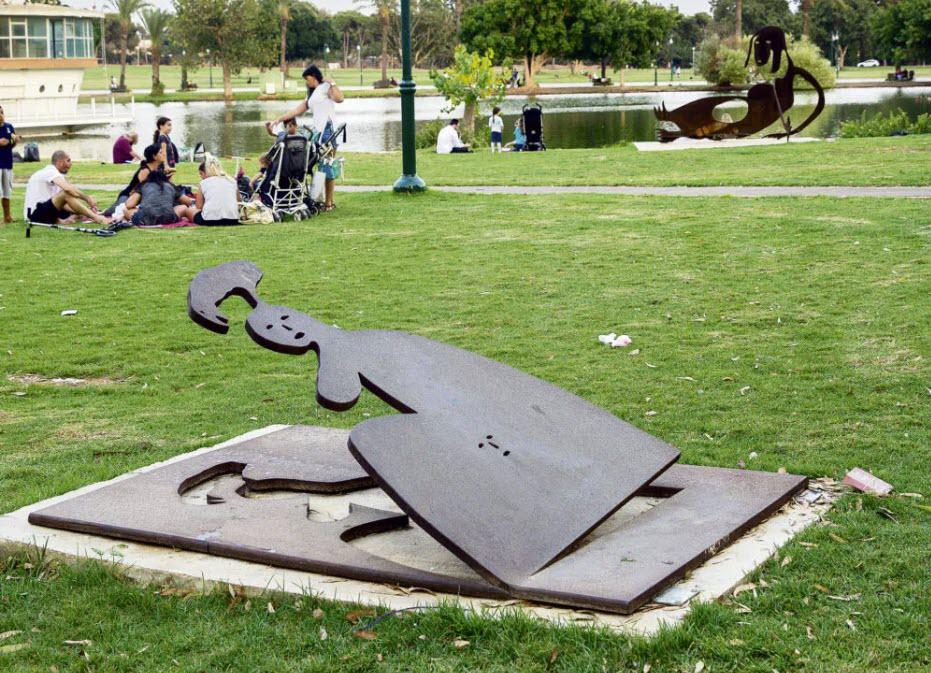
Art World Sept. 2016 - Why Are Young Women Flocking to Menashe Kadishman’s Unusual Public Sculpture? This may be a first for a contemporary artwork.
